Smarthistory Logo
  • Art Histories
      • The basics of art history
      • Places
        • Africa
        • Asia
        • Europe
        • North America
        • South America
        • Oceania
      • Periods, Cultures, Styles
        • Prehistoric
        • Ancient West Asian
        • Ancient Egyptian
        • Ancient Greek
        • Ancient Roman
        • Mesoamerican
        • Native Andean
        • Medieval
        • Islamic
        • Ming dynasty
        • Renaissance
        • Kingdom of Benin
        • Edo period
        • New Spain
        • Chola Empire
        • Native North American
        • Tibetan
        • Polynesian
        • Modernisms
        • Contemporary
        • See All
      • Artists
        • Miguel Cabrera
        • Artemisia Gentileschi
        • Hokusai
        • Frida Kahlo
        • Maya Lin
        • Michelangelo
        • Georgia O’Keeffe
        • Francisco Oller
        • Phidias
        • Pablo Picasso
        • Jackson Pollock
        • Malick Sidibé
        • Mimar Sinan
        • Jan van Eyck
        • Vincent van Gogh
        • Kay WalkingStick
        • Andy Warhol
        • Ai Weiwei
        • Kehinde Wiley
        • Frank Lloyd Wright
        • See All
      • Artwork Types
        • Painting
        • Sculpture
        • Architecture
        • Photography
        • Ceramics
        • Prints
        • Textile
        • Drawing
        • Manuscripts
        • Metalwork
        • Memorials
        • Stained glass
        • Masks
        • Mosaic
        • Rock art
        • Performance art
        • Film and video art
        • Installation
        • Earthwork
        • Street art
        • See All
      • Materials
        • Adobe
        • Bronze
        • Clay
        • Cotton
        • Feather
        • Gems
        • Gold
        • Ivory
        • Jade
        • Lapis lazuli
        • Marble
        • Mixed media
        • Oil paint
        • Parchment
        • Plastic
        • Porcupine quill
        • Silk
        • Silver
        • Steel
        • Watercolor
        • See All
      • Techniques
        • Carving
        • Casting
        • Chiaroscuro
        • Collage
        • Contrapposto
        • Daguerreotype
        • Embroidery
        • Enameling
        • Etching
        • Fresco
        • Gilding
        • Glassblowing
        • Illumination
        • Polychromy
        • Quilting
        • Repoussé and chasing
        • Weaving
        • Welding
        • Wheel throwing
        • Woodcut
        • See All
  • Books
      • OLDER TITLES
      • Ancient Roman Art
      • AP® Art History vol. 1 (#1–47)
      • AP® Art History vol. 2 (#48–98)
      • AP® Art History vol. 3 (#99–152)
      • See complete collection of titles
      • NEW TITLES
        • reframing art history cover smReframing Art History
          a new kind of textbook
        • Byzantine cover jpgGuide to Byzantine art
  • Curated Guides
      • THE BASICS
      • The Basics of Art History
      • The Basics of Religion in Art
      • SYLLABI
      • Art Appreciation
      • AP®︎ Art History
      • A-level History of Art
      • World Art History
      • Prehistory to the Middle Ages: the Mediterranean
      • Renaissance to the Modern Era: Europe
      • Global History of Architecture
      • Ancient Greek Art and Architecture
      • Medieval and Byzantine Art and Architecture
      • Islamic Art and Architecture
      • Early Modern Art (c. 1400–1800)
      • Latin American Art
      • 19th-Century European Art
      • History of Photography
      • Modern Art
      • Global Contemporary Art
      • THEMATIC SERIES
      • Understanding Museums
      • Creating and Conserving
      • Art in Flanders
      • Latinx Futures
      • Not your grandfather’s art history
      • ARCHES (At-Risk Cultural Heritage Series)
      • The U.S. Civil War in Art
      • Seeing America
  • About
      • ABOUT SMARTHISTORY
      • What is Smarthistory?
      • Is Smarthistory reliable?
      • Smarthistory Staff
      • Content editors and contributors
      • Board of Trustees and Board of Advisors
      • Museum and institutional partners
      • Major donors
      • Press coverage
      • Our blog
      • Contribute an essay
      • Contact us
      • We believe art has the power to transform lives and to build understanding across cultures. The brilliant histories of art belong to everyone, no matter their background.

        With more than 800 contributors from hundreds of colleges, universities, museums, and research centers across the globe, Smarthistory is the most-visited art history resource in the world.

  • Support
      • SUPPORT SMARTHISTORY
      • Donate
      • Contribute an essay
      • We created Smarthistory to provide students around the world with the highest-quality educational resources for art and cultural heritage—for free.

  • Search

Places  > Asia

Asia

Basics Timeline Works of Art Artists Periods, Cultures, Styles Curated Guides

Places  > Asia

Asia

Basics Timeline Works of Art Artists Periods, Cultures, Styles Curated Guides

Basics to get you started

A brief history of the cultures of Asia

essay icon

Ancient West Asia: cradle of civilization

essay icon

Trade in East Asia

video icon

Cultural diversity in East Asia

video icon

Ceramic innovation in East Asia

video icon

A brief history of the art of South Asia: prehistory–c. 500 C.E.

essay icon

Geographic regions of South Asia

essay icon

Beliefs made visible: Hindu art in South Asia

video icon

Beliefs made visible: Buddhist art in South Asia

video icon

Understanding divine “blueness” in South Asia

essay icon

The historical Buddha

essay icon

How to recognize the Buddha

video icon

Four Buddhas at the American Museum of Natural History

video icon

Images of enlightenment: aniconic vs. iconic depictions of the Buddha in India

essay icon

Exploring color in Mughal paintings

video icon

The making and worship of Ganesha statues in Maharashtra

video icon essay icon

Submerged, burned, and scattered: celebrating the destruction of objects in South Asia

essay icon

Painting in Mithila, an introduction

essay icon

Recording and representing India: the East India Company’s landscape practices

essay icon

Sultanate art and architecture, an introduction

essay icon

Indian artists and the British East India Company

essay icon

Gandharan sculpture

essay icon

Imperial splendor: textiles and royal life

video icon

Expressions and experimentations: textiles in visual art

essay icon

Freedom Movement: textile practices and the making of a nation

video icon

From handmade to factory made: industry, trade and handcrafted traditions

video icon

Containers of confluence: imagery on painted and printed textiles

video icon

Warding off the evil eye: talismanic textiles

video icon

Secrets of the trade: inherited traditions

video icon

Dress and diversity: costumes traditions of the Indian subcontinent

video icon

Mastering color: natural dyes of the Indian subcontinent

video icon

Motifs and patterns: fundamentals of design vocabulary

essay icon

Chinese jade, an introduction

essay icon

Chinese porcelain: production and export

essay icon

Chinese porcelain: decoration

essay icon

Chinese landscape painting

essay icon

Lang Jingshan and early Chinese photography

essay icon

Chinese calligraphy, an introduction

essay icon

Mountings of Chinese paintings: scrolls, fans, and leafs

essay icon

Chinese scholar-painters, an introduction

essay icon

Art in the Mao era and Cultural Revolution, an introduction

essay icon

Japanese art: the formats of two-dimensional works

essay icon

Jōmon period, an introduction

essay icon

Jōmon pottery

essay icon

Yayoi period, an introduction

essay icon

Kofun period, an introduction

essay icon

Asuka period, an introduction

essay icon

Nara period, an introduction

essay icon

Heian period, an introduction

essay icon

Kamakura period, an introduction

essay icon

Nanbokuchō and Muromachi periods, an introduction

essay icon

Azuchi-Momoyama period, an introduction

essay icon

Edo period, an introduction

essay icon

Meiji period, an introduction

essay icon

Taishō period, an introduction

essay icon

Shōwa period, an introduction

essay icon

Heisei period, an introduction

essay icon

Royal palaces of Seoul

video icon

Conserving Korean lacquer

video icon

Royal tombs of the Joseon Dynasty

video icon

Sotheby’s returns looted 10th-century statue to Cambodia

video icon

The looting of Cambodian antiquities

video icon

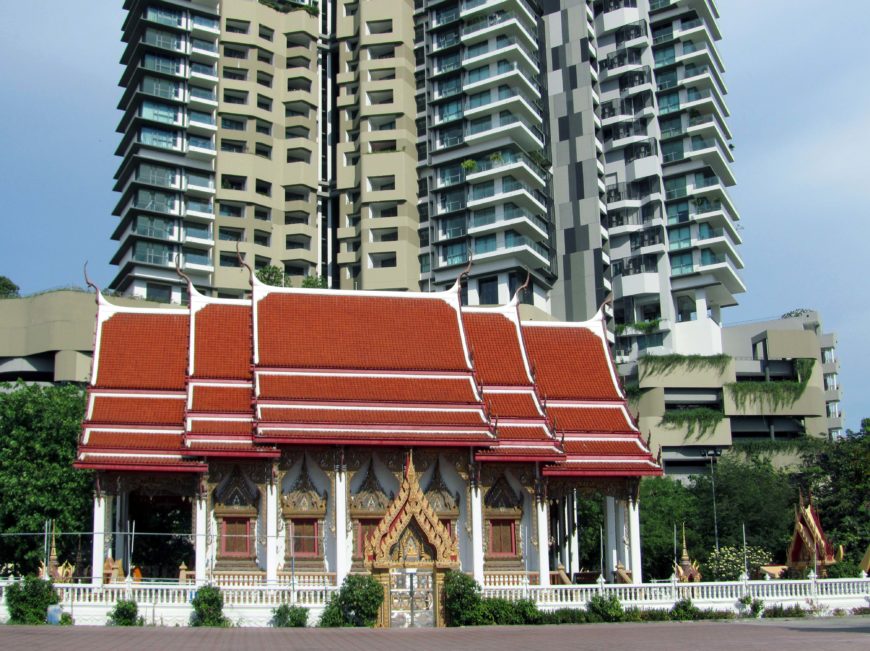
Thai Buddhist monasteries

essay icon

Sacred arts of Tibet

video icon

The making of a thangka painting

video icon

The Mughal painting tradition, an introduction

essay icon

Amorites, an introduction

essay icon

Canaanites, an introduction

essay icon

Hittites, an introduction

essay icon

The rise of the Ottoman Empire

video icon

Photographic views of 19th-century India, an introduction 

essay icon

Sasanian art, an introduction

essay icon

Illumination of the Qur’an

essay icon

Mosaics in the early Islamic world

essay icon

Gold in the Qur’an

essay icon

Pre-Islamic Arabia

essay icon

Akkad, an introduction

essay icon

Arts of the Islamic world

essay icon

Assyria, an introduction

essay icon

Assyrian sculpture

essay icon

Babylonia, an introduction

essay icon

Cultural heritage at risk: Cambodia

essay icon

Cultural heritage at risk: Iraq

essay icon

Cuneiform, an introduction

essay icon

Jewish history 1750 to WW II

essay icon

Jewish history in the post-war period

essay icon

Ancient Persia, an introduction

essay icon

Modern art and reality

essay icon

Paleolithic art, an introduction

essay icon

Sumer, an introduction

essay icon

The Babylonian mind

video icon

The Neolithic revolution

essay icon

The Safavids, an introduction

essay icon

Visiting Babylon

video icon

Damnatio memoriae—Roman sanctions against memory

essay icon

Byzantine art, an introduction

essay icon

Byzantine Iconoclasm and the Triumph of Orthodoxy

essay icon

Cross-cultural artistic interaction in the Middle Byzantine period

essay icon

Multilingualism along the Nile

essay icon

Middle Byzantine secular art

essay icon

Jewish history to the middle ages

essay icon

Contemporary art, an introduction

essay icon

The vita icon in the medieval era

essay icon

Musical imagery in the Global Middle Ages

essay icon

Ancient Greece, an introduction

essay icon

The kingdom of Aksum

essay icon

The Black Death

essay icon

Early Christianity, an introduction

essay icon

How to paint like Yayoi Kusama

video icon

Porcelain, gold, and the Dutch East India Company

essay icon

Rome’s history in four faces at The Met

video icon

An interview with artist Ogawa Machiko

video icon

Challenges, opportunities, and approaches for studying South Asian art

essay icon

Cultural heritage at risk: Syria

essay icon

Cultural heritage at risk: Turkey

essay icon

The global Baroque, an introduction

essay icon

The Umayyads, an introduction

essay icon

Byzantine architecture during Iconoclasm

essay icon

Early Christian art and architecture after Constantine

essay icon

The lives of Christ and the Virgin in Byzantine art

essay icon

The medieval calendar

video icon

Ancient Roman art, an introduction

essay icon

Architecture and liturgy

essay icon

Greek Vase-Painting, an introduction

essay icon

Innovative architecture in the age of Justinian

essay icon

Contrapposto explained

video icon

Wearable art in Byzantium

essay icon

What were the crusades?

essay icon

Women in Roman art

essay icon

Writing cuneiform

video icon

Ancient and Byzantine mosaic materials

video icon

Illuminating the Psalms in Byzantium

essay icon

Illumination of Jewish biblical texts

essay icon

Late Byzantine church architecture

essay icon

Comfort and utility: textiles in everyday life

essay icon

The impact of the crusades

essay icon

What can be done to protect cultural heritage?

essay icon

Seizure of looted antiquities illuminates what museums want hidden

essay icon

Trafficking the past

essay icon

Embroidery traditions in British-colonial South Asia

essay icon

Lost-wax metal casting

video icon

Buddhist monasteries

essay icon

An interview with Maryam Hoseini

video icon

Book illumination in the Eastern Mediterranean

essay icon

Cross-cultural artistic interaction in the Early Byzantine period

essay icon

The origins of Byzantine architecture

essay icon

Expression and modern art

essay icon

Early Byzantine architecture after Constantine

essay icon

Byzantine architecture and the Fourth Crusade

essay icon

Late Byzantine secular architecture and urban planning

essay icon

Common types of mosque architecture

essay icon

Medieval churches: sources and forms

essay icon

Middle Byzantine church architecture

essay icon

Middle Byzantine secular architecture and urban planning

essay icon

Paintings in the early Islamic world

essay icon

How was crusading justified?

essay icon

Regional variations in Middle Byzantine architecture

essay icon

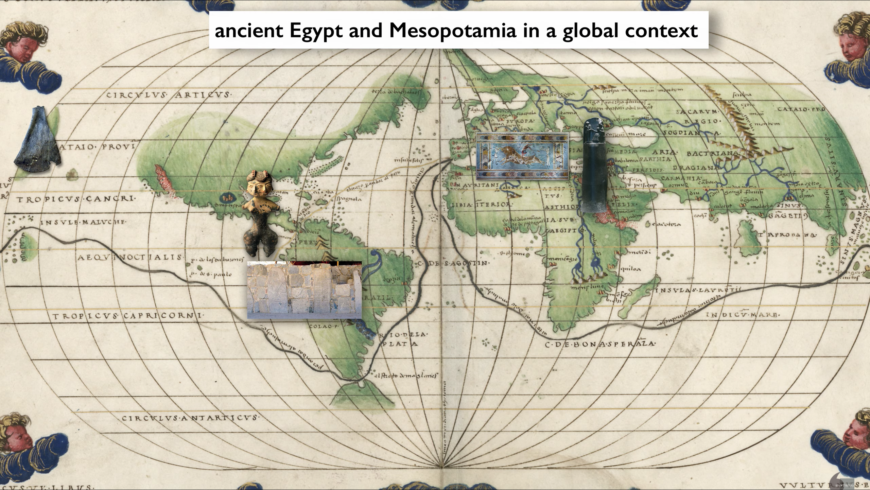
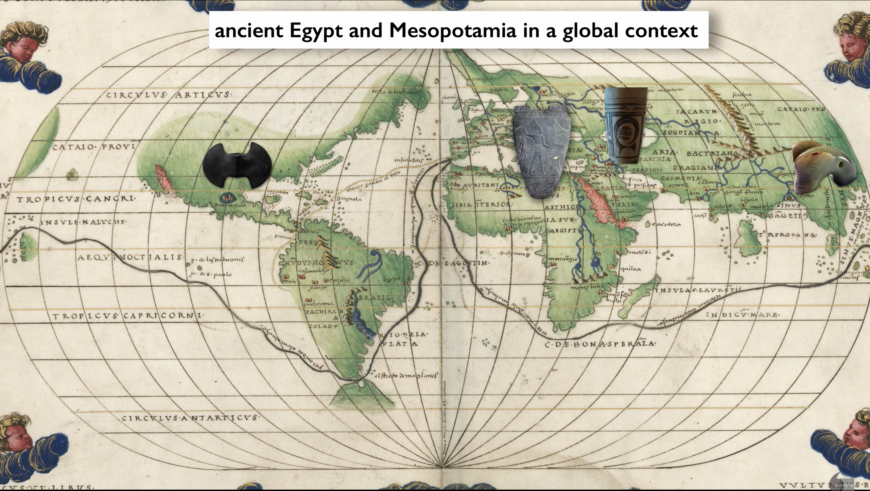
Tiny timeline: ancient Egypt and Mesopotamia in a global context, 2nd–1st millennia B.C.E.

video icon

Tiny timeline: ancient Egypt and Mesopotamia in a global context, 5th–3rd millennia B.C.E.

video icon

Visions of Paradise in a Global Middle Ages

essay icon

Pilgrimage souvenirs 

essay icon

Arts of the Islamic world: The early period

essay icon

Arts of the Islamic world: The medieval period

essay icon

Arts of the Islamic world: The later period

essay icon

Mother, nation, icon: picturing territory and belonging in South Asia

essay icon

Connected to the cosmos: sacred textiles

essay icon

The Geometric period, an introduction

video icon

Art Appreciation: Religion—comparisons and connections

essay icon

Art Appreciation: Nature—comparisons and connections

essay icon

A Mughal masterclass: how to make paint pigments from stones

video icon

Textiles and worship: the image of God

essay icon

New Kingdom and Third Intermediate Period, an introduction

essay icon

Mamluk bindings

video icon

Performance art, an introduction

video icon essay icon

The story of ultramarine from the Silk Road to Renoir

video icon

The Middle Ages, an introduction

essay icon

The court carpets of the Ottoman, Safavid, and Mughal empires, an introduction

essay icon

Depictions of Devi

video icon

The rise and fall of the Mongol Empire

video icon

The complex geometry of Islamic design

video icon

The fall of the Ottoman Empire

video icon

Ah Xian artist interview

video icon

Fluxus, an introduction

essay icon

Coins of faith and power at the British Museum

video icon

Timeline

Timelines Graphic

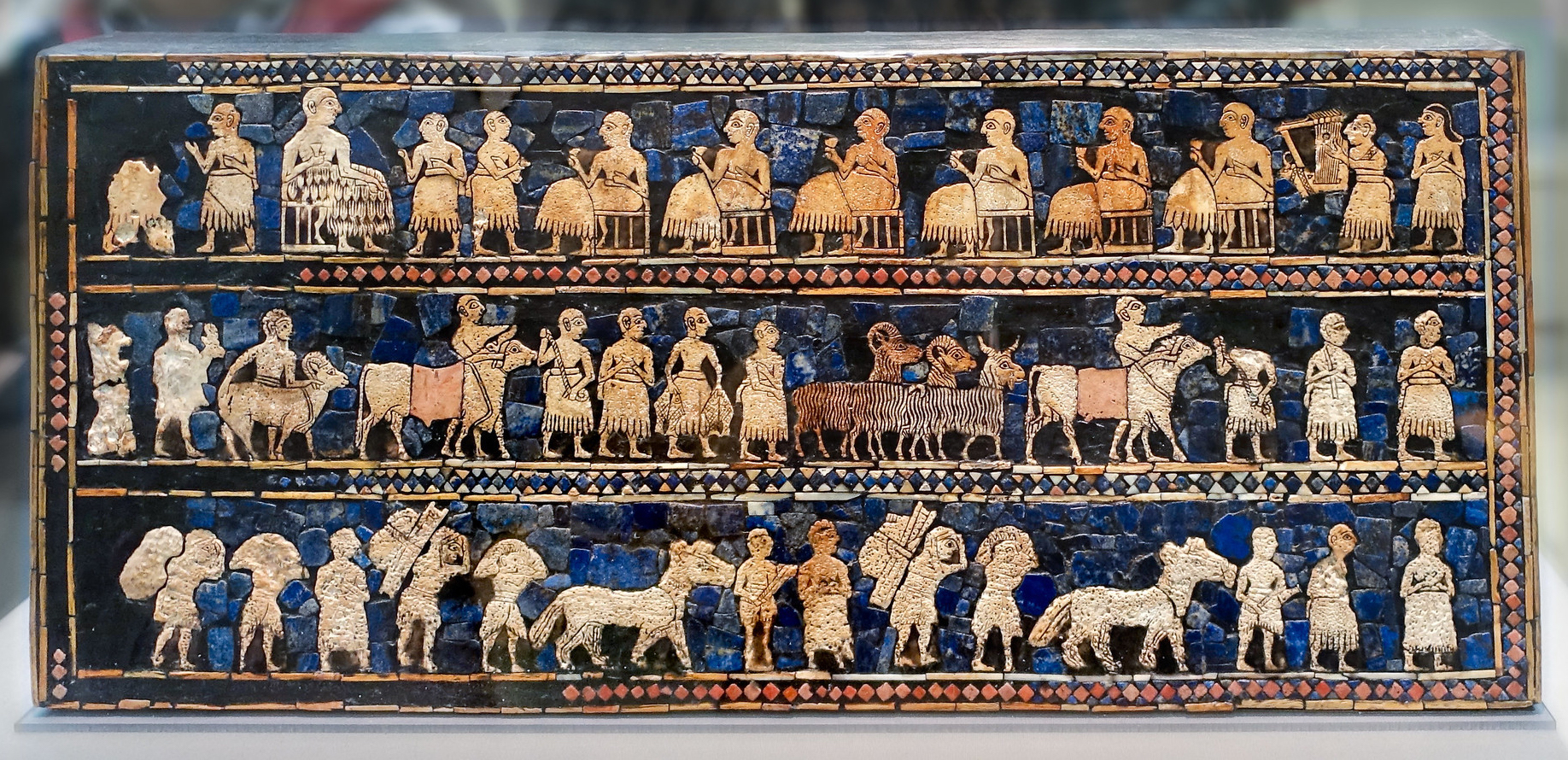
Standard of Ur, 2600-2400 B.C.E., shell, red limestone, lapis lazuli, and bitumen (original wood no longer exists), 21.59 x 49.53 x 12 cm (British Museum; photo: Steven Zucker, CC BY-NC-SA 2.0)

Asia before 1000 B.C.E.

  • Introduction
    • A brief history of the cultures of Asia
    • Paleolithic art, an introduction
    • The Neolithic revolution
    • East Asia
      • Cultural diversity in East Asia
    • South Asia
      • Challenges, opportunities, and approaches for studying South Asian art
      • Geographic regions of South Asia
      • A brief history of the art of South Asia: prehistory–c. 500 C.E.
    • West Asia
      • Ancient West Asia: cradle of civilization
      • Tiny timeline: ancient Egypt and Mesopotamia in a global context, 5th–3rd millennia B.C.E.
      • Tiny timeline: ancient Egypt and Mesopotamia in a global context, 2nd–1st millennia B.C.E.
      • In full color, ancient sculpture reimagined
      • Cuneiform, an introduction
      • Writing cuneiform
      • Archaeological reconstructions
    • Religion in Asia
      • Zoroastrianism, an introduction
  • China
    • Chinese jade, an introduction
    • Neolithic
      • Neolithic period (c. 7000–1700 B.C.E.), an introduction
      • Jar (Hu)
      • Jade Cong
    • Shang Dynasty
      • Shang dynasty (c. 1600–1050 B.C.E.), an introduction
      • War and Sacrifice: The Tomb of Fu Hao
      • Oracle Bone, Shang Dynasty
      • Tigers, dragons, and, monsters on a Shang Dynasty Ewer
  • India
    • Paleolithic
      • Bhimbetka cave paintings
    • Indus Valley Civilization
      • Indus Valley terracotta human figurines
  • Indonesia
    • Paleolithic
      • Warty pig cave painting in Sulawesi, Indonesia
      • Earliest hunting scene in Sulawesi, Indonesia
      • Figurative cave art in Borneo
  • Iran
    • Neolithic
      • Bushel with ibex motifs
    • Ancient West Asian
      • Lapis lazuli stamp seal
      • Kassite
        • Kassite art: Unfinished Kudurru
  • Iraq
    • Cultural heritage at risk: Iraq
    • Ancient West Asian
      • Cylinder seals
      • Cuneiform tablets
      • Sumerian
        • Sumer, an introduction
        • White Temple and ziggurat, Uruk
        • Warka Vase
        • Standing Male Worshipper (Tell Asmar)
        • Perforated Relief of Ur-Nanshe
        • The ‘Ram in a Thicket’
        • Standard of Ur and other objects from the Royal Graves
      • Akkadian
        • Akkad, an introduction
        • Victory Stele of Naram-Sin
        • Cylinder seal with a modern impression
      • Neo-Sumerian (Ur III)
        • Seated Gudea holding temple plan
        • Ziggurat of Ur
      • Babylonian
        • Babylonia, an introduction
        • The Babylonian mind
        • Visiting Babylon
        • Law Code Stele of King Hammurabi
  • Israel/Palestine
    • Neolithic
      • Jericho
      • The Jericho Skull
    • Ancient West Asian
      • Canaanite
        • Canaanites, an introduction
  • Japan
    • Jōmon Period
      • Jōmon period, an introduction
      • Jōmon pottery
      • Deep bowl and Dogū, Jōmon period
  • Pakistan
    • Indus Valley Civilization
      • An Indus Seal
      • Dancing Girl from Mohenjo-daro
      • The Priest-King sculpture from the Indus Valley Civilization
  • Saudi Arabia
    • Neolithic
      • Anthropomorphic stele
  • Syria
    • Cultural heritage at risk: Syria
    • Ancient West Asian
      • Amorite
        • Amorites, an introduction
  • Thailand
    • Neolithic
      • Ban Chiang, a prehistoric archaeological site 
  • Turkey
    • Cultural heritage at risk: Turkey
    • Neolithic
      • Çatalhöyük
    • Ancient West Asian
      • Hittite
        • Hittites, an introduction

Asia 1000 B.C.E.–1 C.E.

  • Introduction
    • A brief history of the cultures of Asia
    • East Asia
      • Cultural diversity in East Asia
    • South Asia
      • Challenges, opportunities, and approaches for studying South Asian art
      • Geographic regions of South Asia
      • A brief history of the art of South Asia: prehistory–c. 500 C.E.
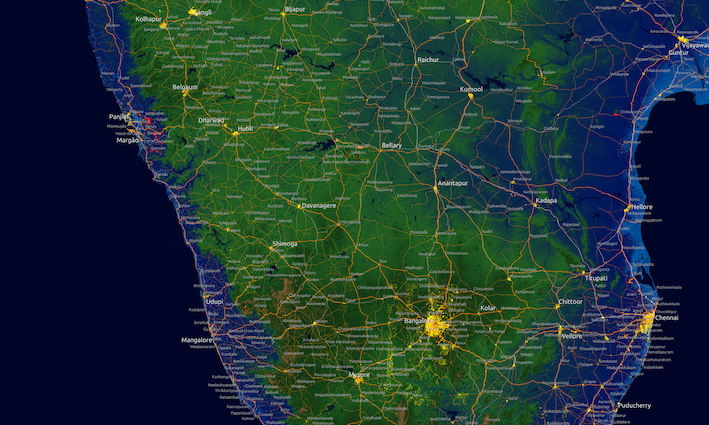
      • Beliefs made visible: Hindu art in South Asia
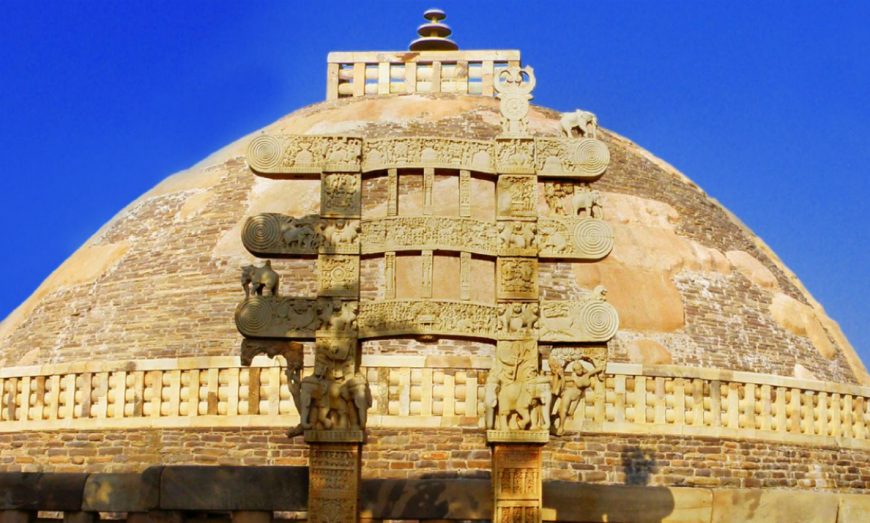
      • Beliefs made visible: Buddhist art in South Asia
    • West Asia
      • Ancient West Asia: cradle of civilization
      • Tiny timeline: ancient Egypt and Mesopotamia in a global context, 2nd–1st millennia B.C.E.
      • In full color, ancient sculpture reimagined
      • Cuneiform, an introduction
      • Writing cuneiform
      • Archaeological reconstructions
      • Alexander the Great: destroyer, creator, rebuilder
    • Religion in Asia
      • Hinduism and Buddhism, an introduction
      • Hinduism
        • Sacred texts in Hinduism
        • Hindu deities
        • Hindu temples
      • Buddhism
        • Buddhism, an introduction
        • The historical Buddha
        • The Buddha and Buddhist sacred texts
        • Images of enlightenment: aniconic vs. iconic depictions of the Buddha in India
        • Buddhist monasteries
        • Jatakas: the many lives of Buddha as Bodhisattva
      • Jainism
        • The Jain faith, an introduction
        • Jain cosmology
      • Zoroastrianism
        • Zoroastrianism, an introduction
      • Judaism
        • Judaism, an introduction
        • Jewish history to the middle ages
  • China
    • Chinese jade, an introduction
    • Zhou Dynasty
      • Zhou Dynasty (c. 1050–221 B.C.E.), an introduction
      • Western Zhou Dynasty
        • Square lidded ritual wine container (fangyi)
        • Da Ke Ding
      • Eastern Zhou Dynasty
        • Ambition and luxury: Marquis Yi of the Zeng State
        • Bell (bo) with birds and dragons
    • Qin Dynasty
      • Qin dynasty (c. 221–206 B.C.E.), an introduction
      • The Tomb of the First Emperor
      • The Terracotta Warriors
    • Han Dynasty
      • Han dynasty (206 B.C.E.–220 C.E.), an introduction
      • The search for immortality: The Tomb of Lady Dai
      • Funeral banner of Lady Dai (Xin Zhui)
      • Ladle
  • India
    • Yaksha and Yakshi sculptures
    • The stupa, an introduction
    • Iron Age India
      • Deccan Megaliths
    • Mauryan Dynasty
      • The Didarganj Yakshi
      • Lion Capital, Ashokan Pillar at Sarnath
      • The Pillars of Ashoka
      • Bodh Gaya: the site of the Buddha’s enlightenment
    • Shunga Empire
      • Bharhut Stupa relief sculptures
  • Iran
    • Ancient West Asian
      • Persian (Achaemenid Empire)
        • Ancient Persia, an introduction
        • Persepolis: The Audience Hall of Darius and Xerxes
        • Capital of a column from the audience hall of the palace of Darius I, Susa
  • Iraq
    • Cultural heritage at risk: Iraq
    • Ancient West Asian
      • Cuneiform tablets
      • Babylonian
        • Babylonia, an introduction
        • The Babylonian mind
        • Visiting Babylon
        • Map of the world
        • The Ishtar Gate and Neo-Babylonian art and architecture
      • Assyrian
        • Assyria, an introduction
        • Assyrian sculpture
        • The Black Obelisk
        • Lamassu from the citadel of Sargon II
        • Assyria vs Elam: The battle of Til Tuba
        • Ashurbanipal Hunting Lions
      • Persian (Achaemenid Empire)
        • The Cyrus Cylinder and Ancient Persia
  • Japan
    • Yayoi Period
      • Yayoi period, an introduction
      • Dōtaku (ritual bells)
  • Korea
    • Bronze Age Korea
      • Assemblage of Artifacts from the Daegok-ri Site, Hwasun
      • Bronze ritual object with farming scenes
  • Syria
    • Cultural heritage at risk: Syria
    • Nabatean Kingdom
      • Petra: The rose red city of the Nabataeans
      • Petra: rock-cut façades
      • Petra: urban metropolis
      • Ancient city of Bosra
    • Dura-Europos
      • Dura-Europos
  • Turkey
    • Cultural heritage at risk: Turkey
    • Ancient Greece
      • Ancient Greece, an introduction
      • Dying Gaul and Ludovisi Gaul
      • The Dying Gaul, reconsidered
      • The Pergamon Altar
      • Nemrut Dağ (tomb of King Antiochus I Theos)
  • Vietnam
    • Đông Sơn
      • Đông Sơn Drums

Asia 1–1000 C.E.

  • Introduction
    • A brief history of the cultures of Asia
    • Visions of Paradise in a Global Middle Ages
    • East Asia
      • Trade in East Asia
      • Cultural diversity in East Asia
      • Ceramic innovation in East Asia
    • South Asia
      • Challenges, opportunities, and approaches for studying South Asian art
      • Geographic regions of South Asia
      • A brief history of the art of South Asia: prehistory–c. 500 C.E.
      • Beliefs made visible: Hindu art in South Asia
      • Beliefs made visible: Buddhist art in South Asia
      • Images of enlightenment: aniconic vs. iconic depictions of the Buddha in India
      • Gandharan sculpture
    • West Asia
      • Ancient West Asia: cradle of civilization
      • Ancient Rome, an introduction
      • Pre-Islamic Arabia
      • The Middle Ages, an introduction
      • Making manuscripts
      • The Islamic World
        • Arts of the Islamic world
        • Arts of the Islamic world: The early period
        • The Umayyads, an introduction
        • Arts of the Abbasid Caliphate
        • Paintings in the early Islamic world
        • Mosaics in the early Islamic world
        • Muqarnas, an introduction
        • The Qur’an and the development of Arabic scripts between the 7th and 12th centuries
      • Byzantine Empire
        • Byzantine art, an introduction
        • About the chronological periods of the Byzantine Empire
        • Icons, an introduction
        • Byzantine Iconoclasm and the Triumph of Orthodoxy
        • The lives of Christ and the Virgin in Byzantine art
        • Ancient and Byzantine mosaic materials
        • Wearable art in Byzantium
        • Book illumination in the Eastern Mediterranean
        • Illuminating the Psalms in Byzantium
        • Early Byzantine Empire
          • The origins of Byzantine architecture
          • Early Byzantine architecture after Constantine
          • Innovative architecture in the age of Justinian
          • Byzantine architecture during Iconoclasm
          • Cross-cultural artistic interaction in the Early Byzantine period
        • Middle Byzantine Empire
          • Middle Byzantine church architecture
          • Middle Byzantine secular art
          • Middle Byzantine secular architecture and urban planning
          • Regional variations in Middle Byzantine architecture
          • Cross-cultural artistic interaction in the Middle Byzantine period
    • Religion in Asia
      • Pilgrimage souvenirs 
      • Hinduism and Buddhism, an introduction
      • Hinduism
        • Sacred texts in Hinduism
        • Hindu deities
        • Hindu temples
      • Buddhism
        • Buddhism, an introduction
        • The historical Buddha
        • The Buddha and Buddhist sacred texts
        • How to recognize the Buddha
        • Maitreya
        • Buddhist monasteries
        • Bodhisattvas, an introduction
        • How to recognize a bodhisattva
        • Jatakas: the many lives of Buddha as Bodhisattva
        • Mudras in Buddhist art
        • Buddhist meditation and chant
        • Four Buddhas at the American Museum of Natural History
      • Jainism
        • The Jain faith, an introduction
        • Jain cosmology
      • Zoroastrianism
        • Zoroastrianism, an introduction
      • Judaism
        • Judaism, an introduction
        • Jewish history to the middle ages
        • The Torah and its adornment
        • Jewish ceremonial art
        • Writing a history of Jewish architecture
      • Islam
        • Islam, an introduction
        • The Qur’an
        • Adorning the Qur’an
        • Gold in the Qur’an
        • Illumination of the Qur’an
        • The Five Pillars of Islam
        • Hajj
        • Islamic pilgrimages and sacred spaces
        • Mosque architecture, an introduction
        • Common types of mosque architecture
        • Understanding historical images of the Prophet Muhammad
        • The complex geometry of Islamic design
        • Zarina Hashmi on Arabic calligraphy
      • Christianity
        • Christianity, an introduction
        • Early Christianity, an introduction
        • Early Christian art
        • The Christian Bible
  • Afghanistan
    • Crossroads of the ancient world
    • Hunnic
      • Silver dinar of the Alchon Huns
    • Gandharan
      • Bamiyan Buddhas
  • Bangladesh
    • Pala Empire
      • Ruins of the Buddhist Vihara at Paharpur
  • China
    • Introduction
      • Chinese scholar-painters, an introduction
      • Mountings of Chinese paintings: scrolls, fans, and leafs
      • Chinese calligraphy, an introduction
      • Chinese landscape painting
      • Chinese jade, an introduction
      • Chinese porcelain: production and export
    • Han Dynasty
      • Han dynasty (206 B.C.E.–220 C.E.), an introduction
      • Mirror with game board design and animals of the four directions
      • Tomb model of a watchtower
      • Disk (bi) with knobs, feline, and dragon
    • Period of Division
      • Period of Division (220–589 C.E.), an introduction
      • Seated Buddha
      • Northern Wei Dynasty
        • Yungang grottoes
        • Longmen caves, Luoyang
      • Northern Qi Dynasty
        • Bodhisattva, probably Avalokiteshvara (Guanyin)
        • Western Paradise of the Buddha Amitabha
        • Cosmic Buddha Vairochana with the Realms of Existence
        • Base of a funerary couch
      • The Wirkak (Shi Jun) Sarcophagus
      • Cultural exchange and integration, a Khotanese carpet on the Silk Road
    • Tang Dynasty
      • Tang dynasty (618–907), an introduction
      • Mogao caves, Dunhuang
        • Mogao caves at Dunhuang
        • Jataka tales at Dunhuang
        • Dunhuang Historical Art, Cave 323
        • A silk painting of sacred Buddhist images from Dunhuang
        • Buddha preaching at Vulture Peak embroidery
        • Hong Bian, the monk in the Library Cave (Cave 17), Mogao
        • The paintings and manuscripts from cave 17 at Mogao
        • Illustration to the Fumu enzhong jing, Dunhuang
      • Admonitions Scroll, attributed to Gu Kaizhi
      • A Tang silk brocade
      • Han Gan, Night-Shining White
      • Tomb figures
        • Tang dynasty tomb figurines, an introduction
        • Tomb figure of a groom
        • Tomb figures of a man and woman on horseback
        • Figure of a seated court lady
      • Giant Buddha of Leshan
      • Attributed to Zhou Fang, Ladies Wearing Flowers in Their Hair
      • Tang Yue ware
      • Zither (qin) inscribed with the name “Dragon’s Moan”
    • Five Dynasties Period
      • Stencil for a five-figure Buddha group
      • Gu Hongzhong, The Night Revels of Han Xizai, handscroll
    • Liao Dynasty
      • Arhat (Luohan)
      • Murals in two Liao Dynasty tombs
  • India
    • Yaksha and Yakshi sculptures
    • Sātavāhana Dynasty
      • An Indian ivory statuette in Pompeii
      • The Caves of Ajanta
      • The multireligious caves at Ellora
    • Kushan Empire
      • A Buddha from Mathura
    • Gupta Dynasty
      • The Gupta Period
      • Bodh Gaya: the site of the Buddha’s enlightenment
      • Dashavatara Temple, Deogarh
    • Kalachuri Kingdom
      • The Cave of Shiva at Elephanta
    • Pallava Dynasty
      • Durga Slays the Buffalo Demon at Mamallapuram
      • Shore Temple, Mamallapuram
      • The Great Relief at Mamallapuram
    • Chandella Dynasty
      • Sacred space and symbolic form at Lakshmana Temple, Khajuraho (India)
    • Chola Empire
      • Queen Sembiyan Mahadevi as the Goddess Parvati
  • Indonesia
    • Śailendra Dynasty
      • Borobudur
    • Javanese
      • Prambanan Temple compounds
      • Bronze figure of Buddha Vairocana (Java)
  • Iran
    • Sasanian Empire
      • Sasanian art, an introduction
      • Silver dish
      • Sasanian plate
    • Parthian Empire
      • Clasp with an eagle and its prey
    • Samanid Empire
      • Samanid plate
    • Umayyad Caliphate
      • Marwan tiraz
  • Iraq
    • Cultural heritage at risk: Iraq
    • Abbasid Caliphate
      • Samarra, a palatial city
      • The Indian Ocean World and the Belitung Wreck
      • Folio from a Qur’an
      • The founding of Baghdad
  • Israel/Palestine
    • Roman Empire
      • Silver shekel of the Second Jewish Revolt
      • Mosaic decoration at the Hammath Tiberias synagogue
    • Umayyad Caliphate
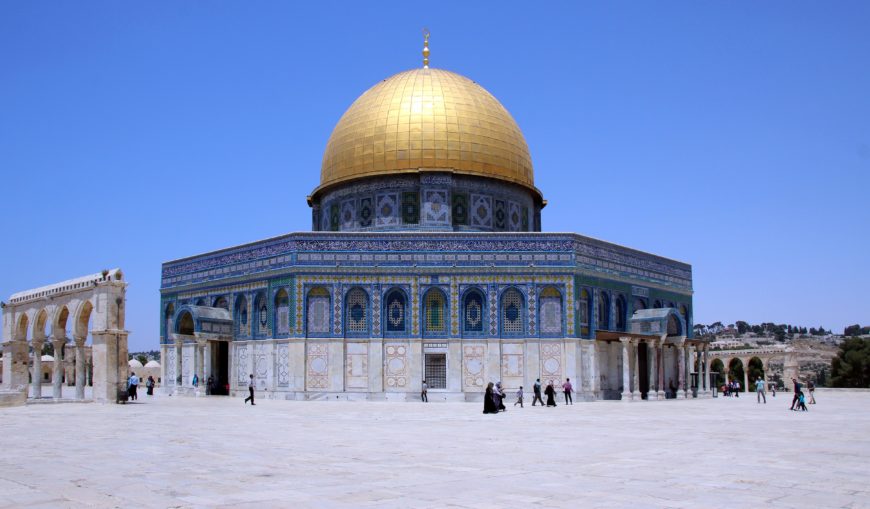
      • The Dome of the Rock (Qubbat al-Sakhra)
  • Japan
    • Yayoi period
      • Yayoi period, an introduction
    • Kofun Period
      • Kofun period, an introduction
      • Haniwa Warrior
    • Asuka Period
      • Asuka period, an introduction
      • Hōryūji
    • Nara Period
      • Nara period, an introduction
      • Tōdai-ji
      • The Shōsōin Repository and its treasure
    • Heian Period
      • Heian period, an introduction
  • Jordan
    • Nabataean
      • Petra: The rose red city of the Nabataeans
      • Petra: urban metropolis
      • Petra: rock-cut façades
    • Umayyad Caliphate
      • Quṣayr ʿAmra
  • Korea
    • Pensive bodhisattvas
    • Nangnang (Han Dynasty colony)
      • Gold belt buckle, Seokam-ri Tomb 9 (Pyongyang)
    • Three Kingdoms Period
      • Silla Kingdom
        • Bronze bowl with inscription for King Gwanggaeto the Great
        • Gold crown and gold belt from the north mound of Hwangnamdaechong Tomb
        • Gold and jade crown, Silla Kingdom and beyond
        • Dangling pendants for gold crowns
        • Horse-rider-shaped vessels, Silla
        • Gold Earrings from the Double Burial in Bomun-dong, Gyeongju
        • Mt. Bukhansan Monument for King Jinheung’s Inspection
        • Gold necklace from Noseo-ri 215 Beonji Tomb, Gyeongju
        • Dagger and gold scabbard from Gyerim-ro Tomb 14, Gyeongju
      • Goguryeo Kingdom
        • Gilt-bronze Buddha with inscription: “seventh year of yeonga“
      • Baekje Kingdom
        • Baekje stone Buddha and gilt-bronze bodhisattva from the temple site of Gunsu-ri, Buyeo
        • Crown ornaments from the Tomb of King Muryeong
        • Eight Baekje tiles with various designs
        • Baekje Gilt-bronze Incense Burner
      • Gilt-bronze pensive bodhisattva (National Treasure 78)
      • Gilt-bronze pensive bodhisattva (National Treasure 83)
      • Pensive bodhisattva
      • Pensive Bodhisattva on a rectangular pedestal
    • Unified Silla Period
      • Sarira reliquaries from east and west stone pagodas of Gameunsa Temple
      • Gold Buddha statues from the stone pagoda on the site of Hwangboksa Temple
      • Maitreya Bodhisattva and Amitabha Buddha from Gamsansa Temple
      • East and west stone pagodas from the site of Galhangsa Temple
      • Stone casket and funerary urn of the Unified Silla period
    • Goryeo Dynasty
      • Cast-iron Buddha
      • Stone bodhisattva from the site of Hansongsa Temple
  • Pakistan
    • Kushan Empire
      • Head of the Buddha, Gandhara
  • Saudi Arabia
    • Nabataean
      • Al-Hijr (Madâin Sâlih)
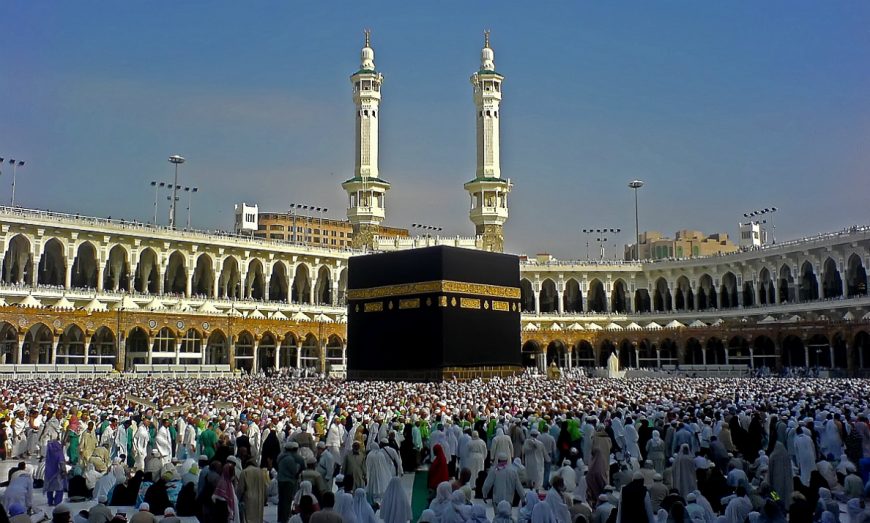
    • The Kaaba
  • Sri Lanka
    • Anuradhapura Kingdom
      • Statue of Tara, consort of Avalokiteshvara
  • Syria
    • Cultural heritage at risk: Syria
    • Bosra
      • Ancient city of Bosra
    • Dura Europos
      • Dura-Europos
      • The Synagogue at Dura-Europos 
    • Palmyra
      • Palmyra: the modern destruction of an ancient city
      • Temple of Baalshamin, Palmyra
      • Temple of Bel, Palmyra
      • Palmyrene Funerary Portraiture
    • Byzantine Empire
      • A chalice from the Attarouthi Treasure
    • Umayyad Caliphate
      • The Great Mosque of Damascus
  • Tibet
    • Sacred arts of Tibet
    • Jowo Rinpoche, Jokhang Temple, Tibet
  • Turkey
    • Cultural heritage at risk: Turkey
    • Late Roman Empire
      • Portraits of the Four Tetrarchs
    • Early Byzantine Empire
      • Woman with Scroll
      • Fibulae
      • The Vienna Dioscurides
      • The Vienna Genesis
        • The Vienna Genesis
        • The Story of Jacob from the Vienna Genesis
        • Rebecca and Eliezer at the Well, Vienna Genesis
      • SS. Sergius and Bacchus, preserved as the mosque, Küçük Ayasofya
      • Hagia Sophia, Istanbul
      • Ivory Panel with Archangel
      • The Emperor Triumphant (Barberini Ivory)
      • Icon with Virgin (Theotokos) and Child between Saints Theodore and George
      • The Byzantine Fieschi Morgan cross reliquary
    • Middle Byzantine Empire
      • A work in progress: Middle Byzantine mosaics in Hagia Sophia
      • Theotokos mosaic, Hagia Sophia, Istanbul
      • The Paris Psalter
      • A Byzantine vision of Paradise — The Harbaville Triptych
      • Mobility and reuse: the Romanos chalices and the chalice with hares
  • Uzbekistan
    • Samanid Empire
      • The Samanid Mausoleum, Bukhara (Uzbekistan)
  • Vietnam
    • Cham
      • Po Nagar Temple
      • The Đồng Dương Buddhist temple complex
      • Mỹ Sơn Hindu temple complex

Asia 1000–1500

  • Introduction
    • A brief history of the cultures of Asia
    • The rise and fall of the Mongol Empire
    • Visions of Paradise in a Global Middle Ages
    • The Early Modern era: the 15th century
    • East Asia
      • Trade in East Asia
      • Cultural diversity in East Asia
      • Ceramic innovation in East Asia
    • South Asia
      • Challenges, opportunities, and approaches for studying South Asian art
      • Geographic regions of South Asia
      • Beliefs made visible: Hindu art in South Asia
      • Beliefs made visible: Buddhist art in South Asia
    • West Asia
      • The Middle Ages, an introduction
      • The Islamic World
        • Arts of the Islamic world
        • Arts of the Islamic world: The medieval period
        • Muqarnas, an introduction
      • Byzantine Empire
        • Byzantine art, an introduction
        • About the chronological periods of the Byzantine Empire
        • Icons, an introduction
        • The lives of Christ and the Virgin in Byzantine art
        • Ancient and Byzantine mosaic materials
        • Wearable art in Byzantium
        • The vita icon in the medieval era
        • Book illumination in the Eastern Mediterranean
        • Illuminating the Psalms in Byzantium
        • Middle Byzantine Empire
          • Middle Byzantine church architecture
          • Middle Byzantine secular art
          • Middle Byzantine secular architecture and urban planning
          • Regional variations in Middle Byzantine architecture
          • Cross-cultural artistic interaction in the Middle Byzantine period
        • Fourth Crusade
          • Byzantine art and the Fourth Crusade
          • Byzantine architecture and the Fourth Crusade
        • Late Byzantine Empire
          • Late Byzantine church architecture
          • Late Byzantine secular architecture and urban planning
      • The Crusades
        • What were the crusades?
        • How was crusading justified?
        • The when, where and who (of crusading)
        • The impact of the crusades
    • Religion in Asia
      • Pilgrimage souvenirs 
      • Hinduism and Buddhism, an introduction
      • Hinduism
        • Sacred texts in Hinduism
        • Hindu deities
        • Hindu temples
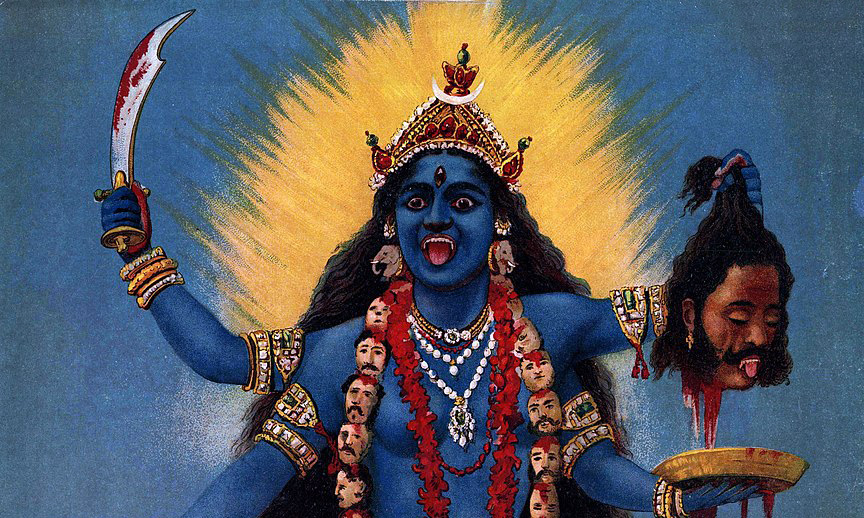
        • Understanding divine “blueness” in South Asia
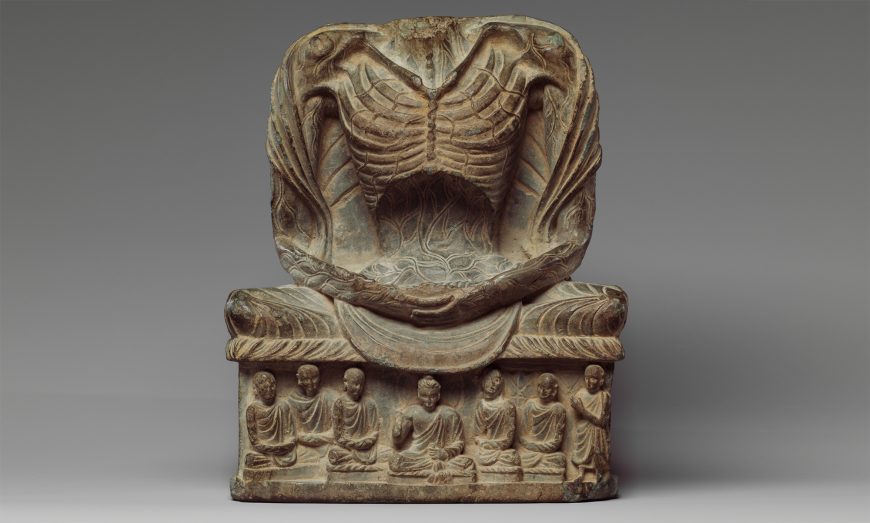
        • Representations of Krishna
      • Buddhism
        • Buddhism, an introduction
        • The historical Buddha
        • The Buddha and Buddhist sacred texts
        • How to recognize the Buddha
        • Maitreya
        • Buddhist monasteries
        • Bodhisattvas, an introduction
        • How to recognize a bodhisattva
        • Mudras in Buddhist art
        • Buddhist meditation and chant
      • Jainism
        • The Jain faith, an introduction
        • Jain cosmology
      • Zoroastrianism
        • Zoroastrianism, an introduction
      • Judaism
        • Judaism, an introduction
        • Jewish history to the middle ages
        • The Torah and its adornment
        • Jewish ceremonial art
        • Writing a history of Jewish architecture
      • Islam
        • Islam, an introduction
        • The Qur’an
        • Adorning the Qur’an
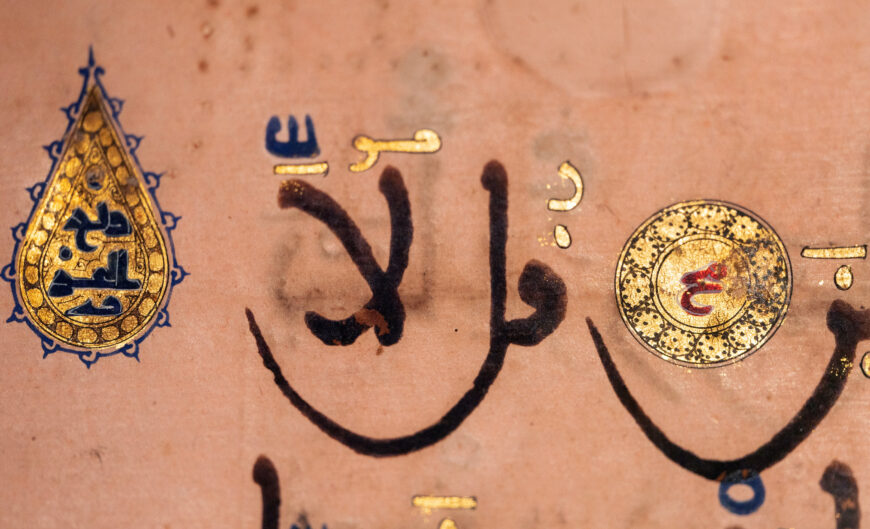
        • Gold in the Qur’an
        • Illumination of the Qur’an
        • The Five Pillars of Islam
        • Hajj
        • The Kaaba
        • Islamic pilgrimages and sacred spaces
        • Mosque architecture, an introduction
        • Common types of mosque architecture
        • Understanding historical images of the Prophet Muhammad
        • The complex geometry of Islamic design
        • Zarina Hashmi on Arabic calligraphy
      • Christianity
        • Christianity, an introduction
        • The Christian Bible
  • Afghanistan
    • Ghaznavid Dynasty
      • Dado Panel, Courtyard of the Royal Palace of Mas’ud III
    • Timurid Empire
      • Prince Baysunghur’s Rose Garden (Gulistan) by Saʿdi
  • Cambodia
    • Cultural heritage at risk: Cambodia
    • The looting of Cambodian antiquities
    • The scourge of looting: trafficking antiquities, from temple to museum
    • Sotheby’s returns looted 10th-century statue to Cambodia
    • Angkor Period
      • Figure of Shiva, Khmer Empire
      • Angkor Wat
      • Angkor Thom, The Great City
      • The Bayon: A temple with many faces 
  • China
    • Introduction
      • Chinese scholar-painters, an introduction
      • Mountings of Chinese paintings: scrolls, fans, and leafs
      • Chinese calligraphy, an introduction
      • Chinese landscape painting
      • Chinese jade, an introduction
      • Chinese porcelain: production and export
      • Chinese porcelain: decoration
    • Liao Dynasty
      • Arhat (Luohan)
      • Murals in two Liao Dynasty tombs
    • Song Dynasty
      • Song dynasty (960–1279), an introduction
      • Illustration to the Fumu enzhong jing, Dunhuang
      • Neo-Confucianism and Fan Kuan, Travelers by Streams and Mountains
      • Ceramic pillow
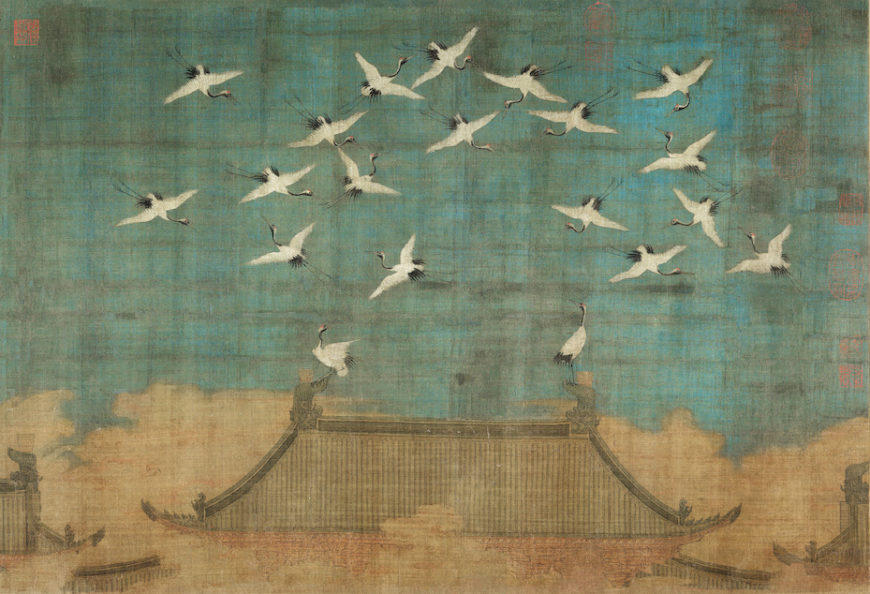
      • Emperor Huizong, Auspicious Cranes, handscroll
      • Ding ware bowl, Northern Song dynasty
      • Master of the (Fishing) Nets Garden
      • Attributed to Zhang Zeduan, Along the River during Qingming Festival, handscroll
      • Bowl with “oil spot” glaze
      • Guan ware long-necked vase
      • Gu Kaizhi, Nymph of the Luo River
      • The art of salvation—Mt. Baoding, Dazu rock carvings
      • Liang Kai (attributed), White Egret
      • Liang Kai, Poet Strolling by a Marshy Bank
      • Attributed to Muqi, Six Persimmons
    • Yuan Dynasty/Mongol Empire
      • Yuan dynasty (1279–1368), an introduction
      • Attributed to Cheng Qi, Tilling Rice, after Lou Shou
      • Qian Xuan, Young nobleman on horseback, handscroll
      • Portrait of Chabi
      • Zhao Mengfu, Autumn Colors on the Que and Hua Mountains
      • Zheng Sixiao, Ink Orchid
      • Buddha of Medicine Bhaishajyaguru (Yaoshi fo)
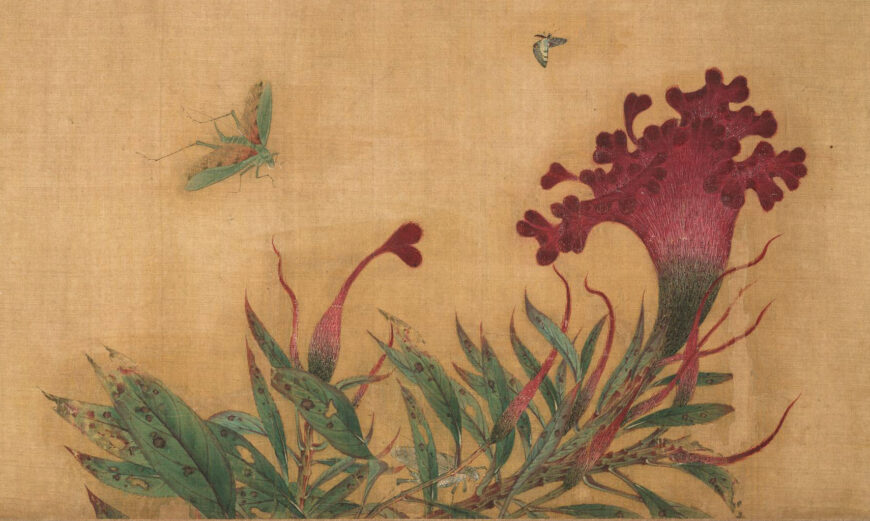
      • Xie Chufang, Fascination of Nature, handscroll
      • Wang Mian, Plum Blossoms in Ink
      • Wu Zhen, Fishermen, after Jing Hao
      • An Italian family in Yangzhou, China
      • Huang Gongwang, Dwelling in the Fuchun Mountains
      • The David Vases
      • Ni Zan, A branch of bamboo
      • Congyi, Cloudy Mountains
    • Ming Dynasty
      • Ming dynasty (1368–1644), an introduction
      • Bodhisattva Avalokitesvara: Guanyin
      • Kilwa pot sherds
      • Ming banknote
      • Spirit path to the tomb of the first Ming emperor
      • Wang Lü, Landscapes of Mount Hua (Huashan)
      • The Great Mosque of Xi’an
      • Canteen
      • The Forbidden City
      • A Ritual Ming dish
      • Temple of Heaven
      • Palace Women and Children Celebrating the New Year
      • Eleven Dragons handscroll
      • Shen Zhou, A Spring Gathering
      • Li (tripod)-shaped cloisonné incense burner
      • Shakyamuni, Laozi, and Confucius
  • India
    • Three Hindu gods
    • Chola Empire
      • Rajarajesvara temple, Tanjavur
      • Shiva as Lord of the Dance (Nataraja)
    • Pala Empire
      • Model of the Mahabodhi Temple
    • Hoysala Dynasty
      • Hoysaleshvara temple, Halebidu
    • Delhi Sultanates
      • Sultanate art and architecture, an introduction
      • The Qutb complex and early Sultanate architecture
    • Vijayanagara Empire
      • Art and architecture of the Vijayanagara empire
  • Indonesia
    • Majapahit Empire
      • Penataran, an eminent Javanese temple
      • Sukuh, a mountain sanctuary
  • Iran
    • Seljuq
      • The Great Mosque (or Masjid-e Jameh) of Isfahan
      • Two Royal Figures
      • Abu Zayd, Bowl with a Majlis Scene by a Pond
      • Minaʾi Bowl with Courtly and Astrological Motifs
    • Ilkhanid/Mongol Empire
      • Making and mutilating manuscripts of the Shahnama
      • Folio from a Shahnama, The Bier of Iskandar (Alexander the Great)
      • Bahram Gur in a Peasant’s House
      • Bahram Gur Fights the Karg (Horned Wolf)
      • Mihrab from Isfahan (Iran)
    • Timurid Empire
      • Timur’s entry into Samarkand, page from the Zafarnama
  • Israel/Palestine
    • Fatimid Caliphate
      • Gold pendant with inset enamel decoration
    • The Crusades
      • The Melisende Psalter
      • Historic City of Acre
  • Japan
    • Japanese art: the formats of two-dimensional works
    • Heian period
      • Heian period, an introduction
      • Illustrated scroll from the Tale of Genji
      • Fudō Myōō (Achala-vidyārāja)
    • Kamakura period
      • Kamakura period, an introduction
      • Jizō Bosatsu
      • Myōe Kōben, Dream Record (Yume no ki)
      • Night Attack on the Sanjô Palace
      • Prince Shōtoku at Age Two
    • Muromachi period
      • Nanbokuchō and Muromachi periods, an introduction
      • Kichizan Minchō, Monju Bosatsu
      • Sessō Tōyō, Haboku-style landscape
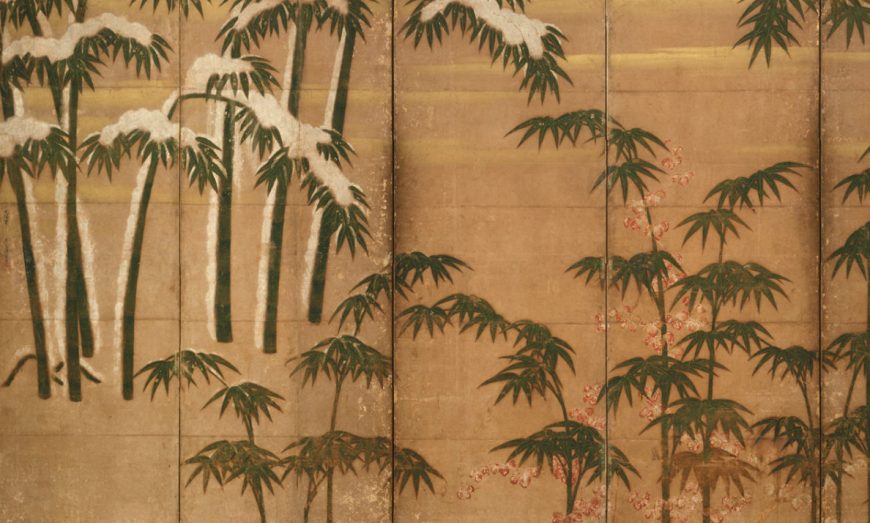
      • Bamboo in the Four Seasons: painting and poetry in Japan
      • Ryōanji (Peaceful Dragon Temple)
  • Kazakhstan
    • Timurid Empire
      • Mausoleum of Khoja Ahmed Yasawi
  • Korea
    • Goryeo Dynasty
      • Bronze bell with inscription: “Cheonheungsa”
      • Korean celadons of the Goryeo dynasty
      • Celadon Melon-shaped Bottle
      • Celadon dragon-shaped ewer and celadon turtle-shaped ewer
      • Celadon incense burner with lion cover and celadon incense burner with open work geometric design
      • Kundika with Landscape Design
      • Maebyong vases, an introduction
      • Maebyeong with peony design
      • Maebyeong with cloud and crane design
      • Haeinsa Temple Janggyeong Panjeon, and the Tripitaka Koreana woodblocks
      • Water-Moon Avalokiteśvara
      • Ten-story Stone Pagoda of Gyeongcheonsa Temple
      • Official Register from the late Goryeo period
      • Reliquary set offered by Yi Seonggye (King Taejo of the Joseon dynasty)
    • Joseon Dynasty
      • Inheritance Document of Yi Seonggye, founder of the Joseon Dynasty
      • Changdeokgung Palace complex
      • Sajeongjeon Edition of The Annotated Zizhi Tongjian
      • Album of Poems on “Eight Views of the Xiao and Xiang Rivers”
      • Bongsa Joseon Changhwa Sigwon: Poems Exchanged by Joseon Officials and Ming Envoys
      • Buncheong Jar with cloud and dragon design
      • Portrait of Sin Sukju
      • Jongmyo Shrine
  • Nepal
    • Newar
      • Lost-wax metal casting
      • Durga Killing the Buffalo Demon (Durga Mahisasuramardini)
  • Syria
    • Ayyubid Sultanate
      • Aleppo
    • The Crusades
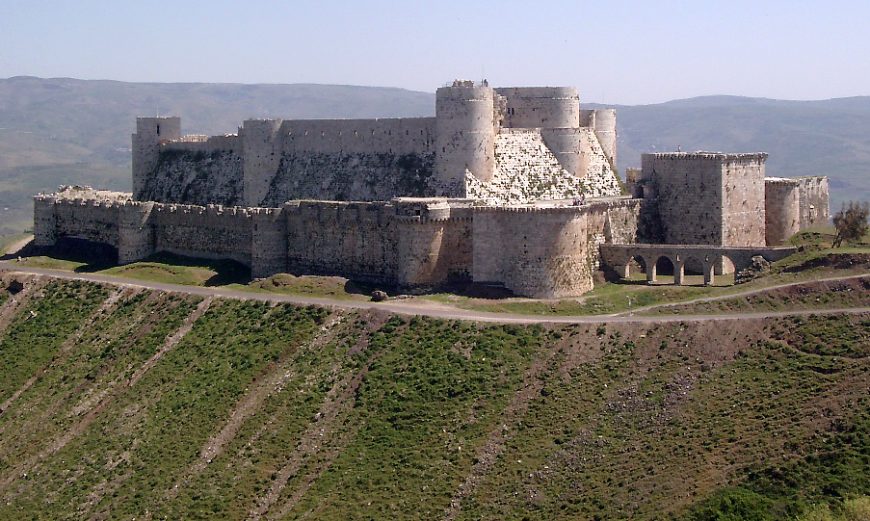
      • Krak des Chevaliers
    • Mamluk Sultanate
      • Mamluk bindings
      • Muhammad ibn al-Zain, Basin (Baptistère de Saint Louis)
      • Mamluk Qur’an
  • Thailand
    • Angkor Period
      • Seated Buddha
    • Sukhothai
      • Sukhothai
      • Sukhothai Walking Buddha
    • Ayutthayan Period
      • Ayutthaya
      • The Emerald Buddha and pandemics
  • Tibet
    • Sacred arts of Tibet
    • Tara (from Tibet)
    • Newar
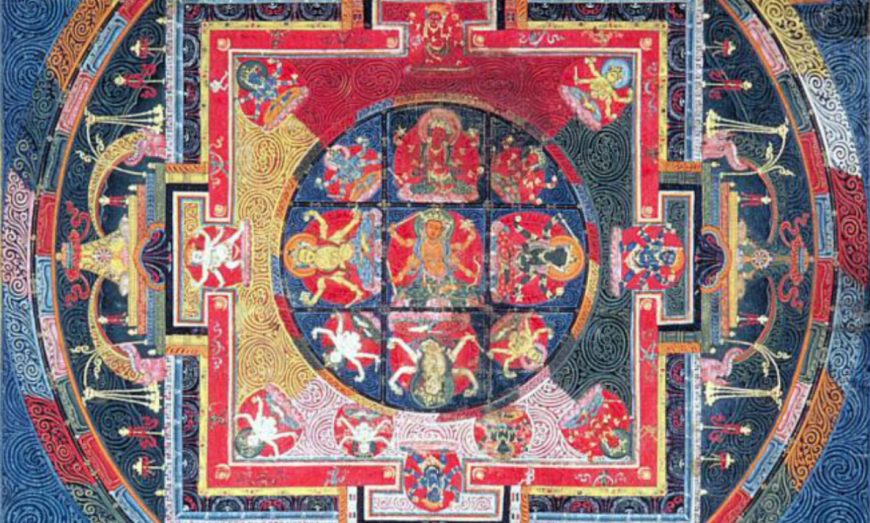
      • Wangguli and five additional Newar artists, Four Mandalas of the Vajravali Cycle
  • Turkey
    • Byzantine Empire
      • Icon of the Archangel Michael
      • Byzantine miniature mosaics
      • Icon with the Virgin Hodegetria Dexiokratousa
      • Late Byzantine naturalism: Hagia Sophia’s Deësis mosaic
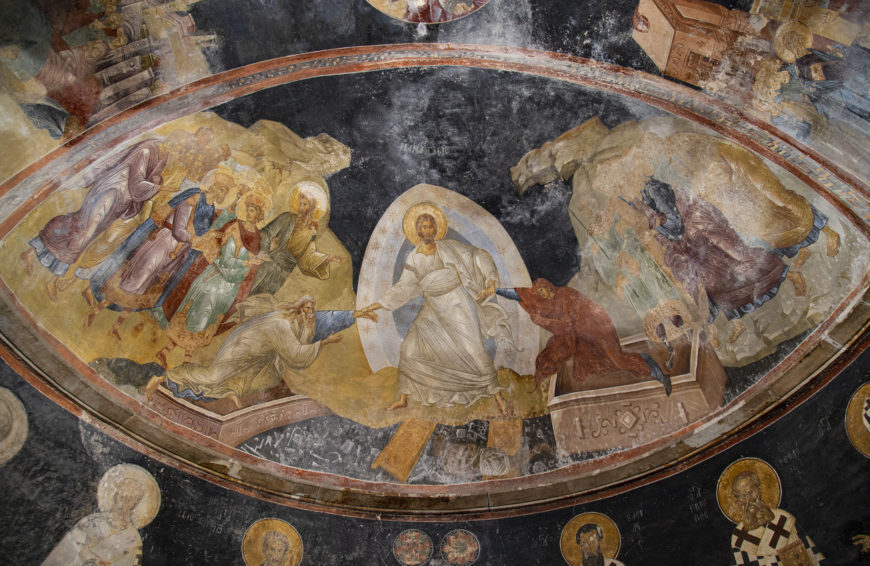
      • Picturing salvation — Chora’s brilliant Byzantine mosaics and frescoes
      • Icon with the Triumph of Orthodoxy
    • Ottoman Empire
      • Muradiye Mosque
  • Uzbekistan
    • Timurid Empire
      • Samarkand, crossroad of cultures
  • Vietnam
    • Lý dynasty
      • Imperial Citadel of Thang Long, Hanoi

Asia 1500–1900

  • Introduction
    • A brief history of the cultures of Asia
    • The global Baroque, an introduction
    • The Early Modern era: the 15th century
    • The Early Modern era: the 16th century
    • The Early Modern era: the 17th century
    • The Early Modern era: the 18th century
    • Porcelain, gold, and the Dutch East India Company
    • East Asia
      • Trade in East Asia
      • Cultural diversity in East Asia
      • Ceramic innovation in East Asia
    • South Asia
      • Challenges, opportunities, and approaches for studying South Asian art
      • Geographic regions of South Asia
      • Beliefs made visible: Hindu art in South Asia
      • Beliefs made visible: Buddhist art in South Asia
      • Submerged, burned, and scattered: celebrating the destruction of objects in South Asia
      • The Islamic World
        • Mughal Empire
          • The Mughal painting tradition, an introduction
          • Exploring color in Mughal paintings
          • European engravings and Christian symbols in the Mughal miniature painting tradition
          • A Mughal masterclass: how to make paint pigments from stones
      • Textiles from the Indian Subcontinent
        • Materials and making
          • Rooted in the soil of the earth: geographical origins of textile practices
          • The fundamental ingredients of textiles: natural fibers
          • Mastering color: natural dyes of the Indian subcontinent
          • Tools and processes: producing cloth
        • Forms and functions
          • Practice and perfection: textile traditions
          • Motifs and patterns: fundamentals of design vocabulary
          • Dress and diversity: costumes traditions of the Indian subcontinent
          • Comfort and utility: textiles in everyday life
        • Communal ties
          • Secrets of the trade: inherited traditions
          • Systems of work: the caste system and organized labor
          • Embroidery traditions in British-colonial South Asia
        • Threads of faith
          • Connected to the cosmos: sacred textiles
          • Textiles and worship: the image of God
          • Warding off the evil eye: talismanic textiles
        • Cloth as currency
          • Containers of confluence: imagery on painted and printed textiles
        • Exploits and revolts
          • From handmade to factory made: industry, trade and handcrafted traditions
          • Freedom Movement: textile practices and the making of a nation
        • Opulence and innovation
          • Imperial splendor: textiles and royal life
          • Expressions and experimentations: textiles in visual art
    • West Asia
      • The Islamic World
        • Arts of the Islamic world
        • Arts of the Islamic world: The later period
        • The rise of the Ottoman Empire
        • The Safavids, an introduction
        • The court carpets of the Ottoman, Safavid, and Mughal empires, an introduction
        • Muqarnas, an introduction
        • The fall of the Ottoman Empire
    • Religion in Asia
      • Hinduism and Buddhism, an introduction
      • Hinduism
        • Sacred texts in Hinduism
        • Hindu deities
        • Hindu temples
        • Understanding divine “blueness” in South Asia
        • Representations of Krishna
        • Depictions of Devi
      • Buddhism
        • Buddhism, an introduction
        • The historical Buddha
        • The Buddha and Buddhist sacred texts
        • How to recognize the Buddha
        • Maitreya
        • Buddhist monasteries
        • Bodhisattvas, an introduction
        • How to recognize a bodhisattva
        • Mudras in Buddhist art
        • Buddhist meditation and chant
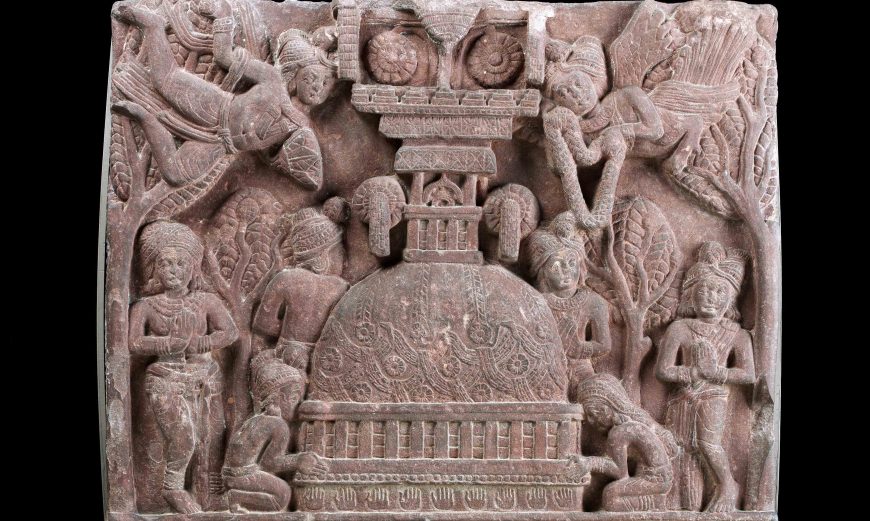
        • Four Buddhas at the American Museum of Natural History
      • Jainism
        • The Jain faith, an introduction
        • Jain cosmology
      • Zoroastrianism
        • Zoroastrianism, an introduction
      • Sikhism
        • Origins and development of Sikh faith: The Gurus
        • Sikh prayer and worship
        • Sikh sacred places
      • Judaism
        • Judaism, an introduction
        • Jewish history 1750 to WW II
        • The Torah and its adornment
        • Jewish ceremonial art
        • Writing a history of Jewish architecture
      • Islam
        • Islam, an introduction
        • The Qur’an
        • Adorning the Qur’an
        • Gold in the Qur’an
        • Illumination of the Qur’an
        • The Five Pillars of Islam
        • Hajj
        • Islamic pilgrimages and sacred spaces
        • Mosque architecture, an introduction
        • Common types of mosque architecture
        • Understanding historical images of the Prophet Muhammad
        • The complex geometry of Islamic design
        • Zarina Hashmi on Arabic calligraphy
      • Christianity
        • Christianity, an introduction
        • The Christian Bible
  • China
    • Introduction
      • Chinese scholar-painters, an introduction
      • Mountings of Chinese paintings: scrolls, fans, and leafs
      • Chinese calligraphy, an introduction
      • Chinese landscape painting
      • Chinese jade, an introduction
      • Chinese porcelain: production and export
      • Chinese porcelain: decoration
      • Bodhisattva Avalokitesvara: Guanyin
    • Ming Dynasty
      • Ming dynasty (1368–1644), an introduction
      • Brushrest with Arabic inscription
      • Wen Zhengming, Wintry Trees
      • Wang Wen, Poem in cursive script
      • Copy after Qiu Ying, Playing the Zither Beneath a Pine Tree
      • Qiu Ying, Journey to Shu
      • Miniature furniture and figurines in a Ming tomb
      • ‘Kraak’ bowl, from Jingdezhen
      • The Abduction of Helen Tapestry
    • Qing Dynasty
      • Qing dynasty (1644–1911), an introduction
      • Wang Shimin, Cloud Capped Mountains and Misty Riverside
      • Gong Xian, Eight Views of Landscape
      • Shitao, Returning Home
      • Bada Shanren, Lotus and Ducks
      • Européenerie on a Chinese Table Screen
      • Standing figure of Guanyin as Buddha
      • Hua Yan, Pheasant, Bamboo and Chrysanthemum
      • Wang Shishen, Garden scene album leaves
      • Summer Palace in Beijing
      • The European Palaces of the Qianlong Emperor, Beijing
      • Imperial Workshop and Giuseppe Castiglione, The Qianlong Emperor as Manjushri, the Bodhisattva of Wisdom
      • Lacquer box decorated with images of Spring and longevity
      • Vase of bottle shape with “garlic” mouth
      • Zisha “Ru Ding” teapot, Yixing ware
      • “One Hundred Birds” hanging scroll
      • Ren Xiong, Self-Portrait
      • Zhao Zhiqian, Flowers Album
      • Summer chaofu (formal court dress) for a top-rank prince
      • Chinese export silver, a 19th-century Torah case
      • Xunling, The Empress Dowager Cixi with foreign envoys’ wives
      • Portraits of Shi Wenying and Lady Guan
      • Landscape: tea sipping under willows
  • India
    • Portuguese Colonial
      • Christian art in India: Indo-Portuguese ivory statuettes
      • Carlos Julião, watercolor manuscript
    • Nayak Dynasty
      • The Meenakshi Temple at Madurai
    • Maratha Empire
      • A Jain pilgrimage map of Shatrunjaya
    • Deccan Sultanates
      • The Kevorkian Carpet
    • Mughal Empire
      • Humayun’s tomb
      • Illustration from the Akbarnama
      • Bichitr, Jahangir Preferring a Sufi Shaikh to Kings
      • Portrait of Shah ‘Abbas I of Iran
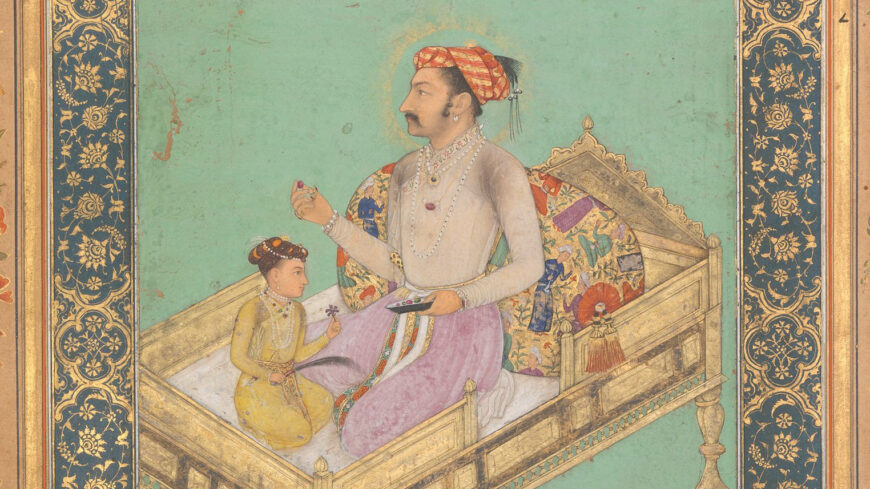
      • Shah Jahan’s portrait, emeralds, and the exotic at the Mughal court
      • A page from the Mewar Ramayana
      • The Taj Mahal
      • Goa stone and gold case
      • Three Aspects of the Absolute
    • British Colonial
      • Indian artists and the British East India Company
      • Recording and representing India: the East India Company’s landscape practices
      • Photographic views of 19th-century India, an introduction 
      • A map of Kolkata in 1785
      • Tipu’s Tiger
      • Cashmere shawls
      • F.W. Stevens with Sitaram Khanderao and Madherao Janardhan, Chhatrapati Shivaji Terminus, Mumbai
      • Raja Ravi Varma, A Galaxy of Musicians
    • Nalini Malani on Hanuman Bearing the Mountaintop with Medicinal Herbs
    • Conservation: Indian jama
  • Indonesia
    • Javanese
      • The mosque and cemetery of Sendang Duwur
      • Dutch Colonial
        • Andries Beeckman, The Castle of Batavia and Dutch colonialism
        • Raden Saleh, The Arrest of Prince Diponegoro
      • Cirebon Sultanate
        • Sunyaragi, a Javanese pleasure garden
      • Shadow puppet, Java
    • Sumatran
      • An illuminated Qur’an manuscript from Aceh
  • Iran
    • Safavid Dynasty
      • Painting from the Shahnameh of Firdausi
      • Making and mutilating manuscripts of the Shahnama
      • The Court of Gayumars—part 1
      • The Court of Gayumars—part 2
      • The Ardabil Carpet
      • Conservation of the Ardabil Carpet: the oldest dated carpet in the world
      • Groom and Rider drawing
      • Divination Bowl with Inscriptions and Zodiac Signs
      • Wine bearers in landscape, a Safavid textile
      • Riza-yi ʿAbbasi, Seated calligrapher
      • Riza-yi ‘Abbasi, Portrait of a young page reading
      • Mir Afzal of Tun, A reclining woman and her lapdog
      • Chihil Sutun, a Safavid palace
      • Conserving the Emperor’s Carpet
      • The Ardashirnama: a Judeo-Persian manuscript
      • Coins of faith and power at the British Museum
    • Qajar Empire
      • Writing box with utensils, decorated with photographs of Nasir a-Din Shah, his court, and views of Paris and Tehran, Iran
    • Zand Dynasty
      • Khusraw Discovers Shirin Bathing
  • Japan
    • Japanese art: the formats of two-dimensional works
    • Azuchi-Momoyama period
      • Azuchi-Momoyama period, an introduction
      • Oribe Tea Bowl
      • Negoro ware ewer
    • Edo period
      • Edo period, an introduction
      • A portrait of St. Francis Xavier and Christianity in Japan
      • Samurai Armor (Gusoku) with a Two-Piece Cuirass and Black Lacing
      • Goto Teijo, Koto
      • Hon’ami Kōetsu, Folding Screen mounted with poems
      • Different places: Japanese porcelain with English gilt-bronze mounts
      • Ogata Kōrin, Red and White Plum Blossoms
      • Maruyama Ōkyo, Geese Over a Beach
      • Kabuki actor prints
      • Utagawa Kunisada I, Visiting Komachi, from the series Modern Beauties as the Seven Komachi
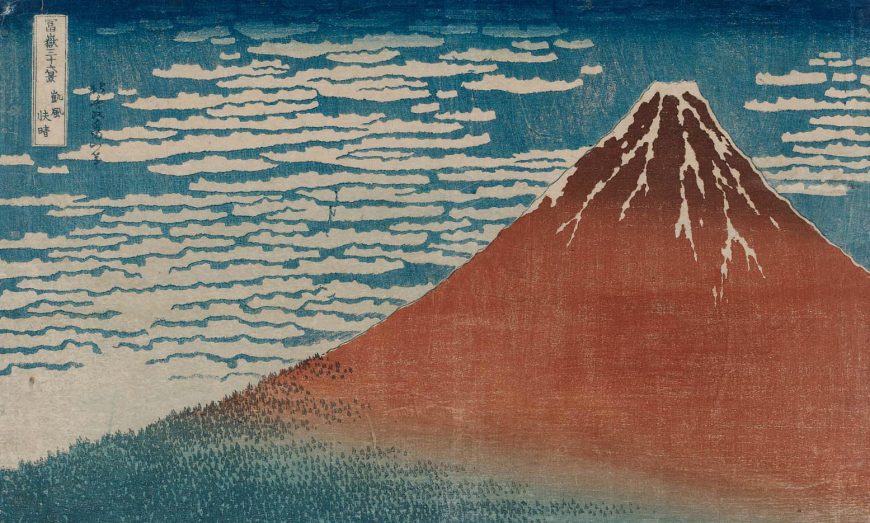
      • Katsushika Hokusai
        • Printed illustrated books
        • Under the Wave off Kanagawa (The Great Wave)
        • Fisherman and Woodcutter
    • Meiji period
      • Meiji period, an introduction
  • Korea
    • Joseon Dynasty
      • Royal palaces of Seoul
      • Royal tombs of the Joseon Dynasty
      • Blue-and-white Porcelain Jar with Plum, Bamboo, and Bird Design
      • Four Preaching Buddhas
      • Jongmyo Shrine
      • White porcelain moon jars
      • Cheonggu Gwanhaebang Chongdo, or “Map for the National Defense of Korea”
      • Yun Baek-ha, a calligraphic handscroll
      • Yun Du-seo, Portrait of Sim Deukgyeong
      • Jeong Sanggi, Dongguk Daejido (“Complete Map of the Eastern Country”)
      • Yi Myeonggi, Portrait of Kang Sehwang
      • Yi Myeonggi and Kim Hongdo, Portrait of Seo Jiksu
      • Kim Hongdo, album of genre paintings
      • Hwaseong Fortress
      • Dhratarastra, Guardian King of the East
      • Yi Che-gwan, Portrait of a Confucian scholar
      • Portrait of Yi Chae
      • Kim Jeonghui’s calligraphy of Kim Yugeun’s Autobiography of Mukso
      • Kim Jeongho, woodblocks of Daedongnyeojido (“Territorial Map of the Great East”)
      • Portrait of Yi Haeung, Regent Heungseon Daewongun
      • Chaekgeori-type screen
      • Gujangbok, a ceremonial robe symbolizing the king’s prestige
      • Jeogui, the most formal ceremonial robe of the Joseon queens
      • The creation of a Korean national flag, 1880s–1910s
  • Nepal
    • Newar
      • Ushnishavijaya and Celebration of Old Age (Jyatha Janko)
      • Lost-wax metal casting
  • Pakistan
    • Mughal Empire
      • Krishna Holds Up Mount Govardhan
  • Philippines
    • Viceroyalty of New Spain
      • Christ Crucified, a Hispano-Philippine ivory
  • Syria
    • Ottoman Empire
      • Qa’a (The Damascus room)
      • Bayt Farhi, a Jewish house in Damascus
      • Eliyahu Hanavi Synagogue, Jobar (Syria)
  • Thailand
    • Thai Buddhist monasteries
    • Rattanakosin Kingdom
      • Wat Phra Kaew (Temple of the Emerald Buddha)
    • Chakri Dynasty
      • The Grand Palace, Bangkok, Thailand 
  • Tibet
    • Sacred arts of Tibet
    • The making of a thangka painting
    • Mahakala, Protector of the Tent, c. 1500
    • Panjaranatha Mahakala
    • Choying Dorje (attributed), Green Tara
    • Stories of Previous Lives of the Buddha (Jataka)
    • The Fifth Dalai Lama Ngawang Lobzang Gyatso (1617–1682) with Previous Incarnations
    • Situ Panchen
    • Mountain God Kula Khari
  • Turkey
    • Ottoman Empire
      • Hagia Sophia as a mosque
      • Mimar Sinan
        • Şehzade Mosque, Istanbul
        • Süleymaniye Mosque, Istanbul
        • Rüstem Pasha Mosque, Istanbul
        • Mosque of Selim II, Edirne
      • Topkapı Palace tiles
      • Tughra (Official Signature) of Sultan Süleiman the Magnificent from Istanbul
      • Spherical Hanging Ornament (Iznik)
      • Ottoman prayer carpet with triple-arch design
      • Iznik ewer
      • The Blue Mosque (Sultan Ahmet Camii)
      • Photograph of Abdülhamid II

Asia 1900–today

  • Introduction
    • A brief history of the cultures of Asia
    • Modern art and reality
    • Expression and modern art
    • Postmodernism
    • Contemporary art, an introduction
    • The case for copying
    • South Asia
      • Challenges, opportunities, and approaches for studying South Asian art
      • Geographic regions of South Asia
      • Submerged, burned, and scattered: celebrating the destruction of objects in South Asia
      • Painting in Mithila, an introduction
      • Textiles from the Indian Subcontinent
        • Materials and making
          • Rooted in the soil of the earth: geographical origins of textile practices
          • The fundamental ingredients of textiles: natural fibers
          • Mastering color: natural dyes of the Indian subcontinent
          • Tools and processes: producing cloth
        • Forms and functions
          • Practice and perfection: textile traditions
          • Motifs and patterns: fundamentals of design vocabulary
          • Dress and diversity: costumes traditions of the Indian subcontinent
          • Comfort and utility: textiles in everyday life
        • Communal ties
          • Secrets of the trade: inherited traditions
          • Systems of work: the caste system and organized labor
          • Embroidery traditions in British-colonial South Asia
        • Threads of faith
          • Connected to the cosmos: sacred textiles
          • Textiles and worship: the image of God
          • Warding off the evil eye: talismanic textiles
        • Cloth as currency
          • Containers of confluence: imagery on painted and printed textiles
        • Exploits and revolts
          • From handmade to factory made: industry, trade and handcrafted traditions
          • Freedom Movement: textile practices and the making of a nation
        • Opulence and innovation
          • Imperial splendor: textiles and royal life
          • Expressions and experimentations: textiles in visual art
    • West Asia
      • The fall of the Ottoman Empire
  • Afghanistan
    • Contemporary
      • Lida Abdul, Dome
      • Trevor Paglen, The Black Sites—The Salt Pit, Northeast of Kabul, Afghanistan
  • Bangladesh
    • Contemporary
      • Naeem Mohaiemen
  • Cambodia
    • Cultural heritage at risk: Cambodia
    • The looting of Cambodian antiquities
    • The scourge of looting: trafficking antiquities, from temple to museum
    • Sotheby’s returns looted 10th-century statue to Cambodia
    • Contemporary
      • Artist profile: Sopheap Pich on rattan, sculpture, and abstraction
  • China
    • Qing Dynasty
      • Xunling, The Empress Dowager Cixi with foreign envoys’ wives
    • Modern China (1912–present), an introduction
    • Modernisms
      • Republic of China
        • Lang Jingshan and early Chinese photography
        • Wang Zhen, Buddhist Sage
        • Xu Beihong, Tian Heng and His Five Hundred Followers
        • Gao Jianfu, Flying in the Rain
        • Hu Yichuan, To the Front!
      • Mao era and the Cultural Revolution
        • Art in the Mao era and Cultural Revolution, an introduction
        • Dong Xiwen, The Founding of the Nation
        • Pan Tianshou, Red Lotus
        • Liu Chunhua, Chairman Mao en Route to Anyuan
    • Contemporary
      • Luo Zhongli, Father
      • Zhang Daqian, Panorama of Mount Lu
      • Hung Liu, Resident Alien
      • Xu Bing, Book from the Sky
      • Xu Bing, Monkeys Grasp for the Moon
      • Ai Weiwei
        • The case for Ai Weiwei
        • Dropping a Han Dynasty Urn
        • Remembering
        • Kui Hua Zi (Sunflower Seeds)
      • Cai Guo-Qiang, Venice’s Rent Collection Courtyard
      • Ah Xian artist interview
      • Hai Bo, Untitled No. 36
      • Song Dong, Waste Not
      • Cao Fei, Building “RMB City”
      • An interview with Au Ho-nien
      • Birdhead—“We Photograph Things That Are Meaningful To Us”
      • Xu Zhen—”Artists Change the Way People Think”
      • Zheng Chongbin on “I Look for the Sky”
  • Hong Kong
    • Contemporary
      • Lam Tung Pang on “A day of two Suns”
  • India
    • Depictions of Devi
    • The making and worship of Ganesha statues in Maharashtra
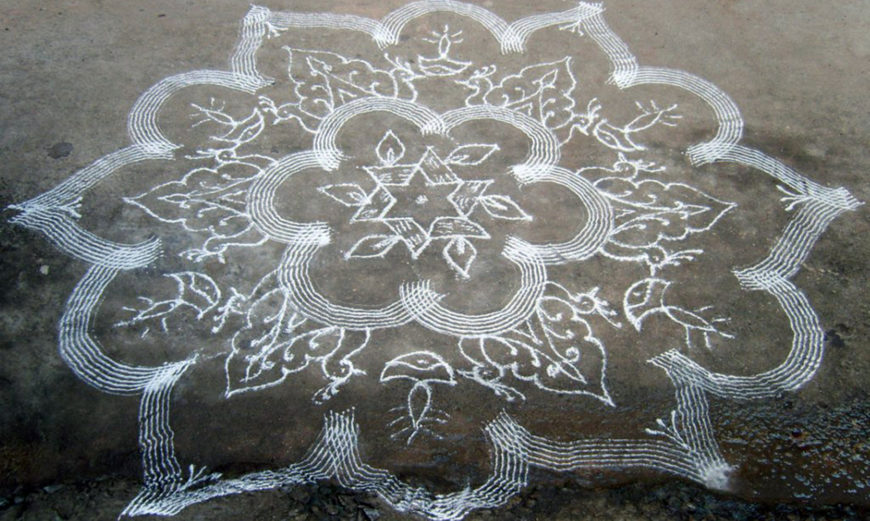
    • Kathakali dance and masks
    • Modernisms
      • British Colonial
        • Mother, nation, icon: picturing territory and belonging in South Asia
        • Abanindranath Tagore, Bharat Mata
        • Amrita Sher-Gil, Self-Portrait as a Tahitian
    • Contemporary
      • Women in the interior: Henri Matisse, Breakfast and K.G. Subramanyan, Woman in the Blue Room
      • An interview with Sunil Gupta
      • An interview with Sheela Gowda
      • An interview with Sheba Chhachhi
      • An interview with Dayanita Singh
      • An interview with Rahul Jain
      • Inside Manish Arora’s studio
      • Zarina Hashmi, Letters from Home
      • Zarina Hashmi on Arabic calligraphy
      • Jas Charanjiva on “Don’t Mess With Me”
  • Indonesia
    • Asmat
      • Bis Poles
  • Iran
    • Modernisms
      • Bahman Mohassess, Minotaur
    • Contemporary
      • Shirin Neshat, Rebellious Silence, Women of Allah series
      • Shirin Neshat, “Dreams Are Where Our Fears Live”
      • An interview with Maryam Hoseini
  • Iraq
    • Modernisms
      • Jewad Selim, Young Man and His Wife
      • Mahmoud Sabri, The Death of a Child
    • Contemporary
      • Adel Abidin, Memorial
  • Israel/Palestine
    • Modernisms
      • The White City of Tel Aviv 
    • Contemporary
      • Jordan Nassar, A Mountain Looms
      • Mona Hatoum—”Nothing Is a Finished Project”
  • Japan
    • Taishō Period
      • Taishō period, an introduction
    • Shōwa Period
      • Shōwa period, an introduction
      • Modernisms
        • Fluxus, an introduction
        • Shiraga Kazuo, Challenging Mud (Doro ni idomu)
        • Yayoi Kusama, Narcissus Garden
        • The case for Yoko Ono
    • Heisei Period
      • Heisei period, an introduction
      • Contemporary
        • Mariko Mori, Pure Land
        • Kohei Nawa, PixCell-Deer#24
        • Motoi Yamamoto, Floating Garden
        • Yayoi Kusama
          • Narcissus Garden
          • Infinity Mirrored Room—My Heart is Dancing into the Universe
          • Yayoi Kusama (Tate)
          • How to paint like Yayoi Kusama
        • An interview with artist Ogawa Machiko
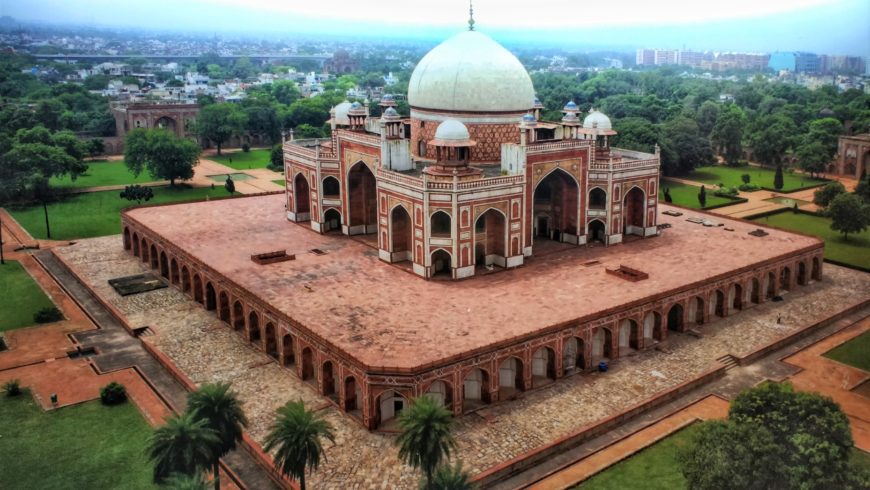
        • Takashi Murakami
  • Korea
    • The creation of a Korean national flag, 1880s–1910s
    • Conserving Korean lacquer
    • Joseon dynasty
      • Jeogui, the most formal ceremonial robe of the Joseon queens
    • Korean Empire
      • Portrait of Choe Ikhyeon
    • Japanese Colonial Period
      • An Junggeun, Calligraphy work of his final message
      • An Jungsik, Spring Dawn at Mt. Baegak
    • Contemporary
      • Song Su-Nam, Summer Trees
      • Nam June Paik, Electronic Superhighway: Continental U.S., Alaska, Hawaii
      • Artist interview with Lee Bul about Willing To Be Vulnerable
      • Do Ho Suh, Rubbing/Loving
      • Lee Ufan
  • Kuwait
    • Contemporary
      • Sebastião Salgado, Kuwait
  • Lebanon
    • Modernisms
      • Conceptual art in Beirut: Farid Haddad’s “Hearts and Monuments”
  • Malaysia
    • Contemporary
      • Yee I-Lann, Picturing Power #6…
  • Nepal
    • Contemporary
      • Tsherin Sherpa, Muted Expressions
  • Pakistan
    • Contemporary
      • Shahzia Sikander, Pleasure Pillars
      • Shahzia Sikander, The Last Post
      • An interview with Noor Ali
      • An interview with Waqas Khan
  • Syria
    • Contemporary
      • Mahmoud Hammad, Arabic Writing no. 11
  • Thailand
    • Thai Buddhist monasteries
  • Tibet
    • Sacred arts of Tibet
    • The making of a thangka painting
    • Modernisms
      • Handheld Prayer Wheel
      • Wheel of Existence
      • Saddle (gser sga)
    • Contemporary
      • Lobsang Drubjam Tsering, Medicine Buddha Palace
      • Tenzing Rigdol, Pin drop silence: Eleven-headed Avalokiteshvara
      • Tibetan Buddhist Shrine Room (Kagyu tradition iteration)
  • Turkey
    • Modernisms
      • Fahrelnissa Zeid, Towards a Sky
  • Vietnam
    • Contemporary
      • Danh Vo, We the People
      • Danh Vo interview: art should estrange
  • Tenzing Rigdol, Pin drop silence: Eleven-headed Avalokiteshvara

Works of Art

sort iconSort: Recently published
Search and See All (519)right arrow icon
  • Place
  • Date
  • Artist
  • Period, Culture, Style
  • Artwork Type
  • Material
  • Technique

Maruyama Ōkyo, Geese Over a Beach

18th century

video icon

Minaʾi Bowl with Courtly and Astrological Motifs

late 12th–early 13th century

video icon

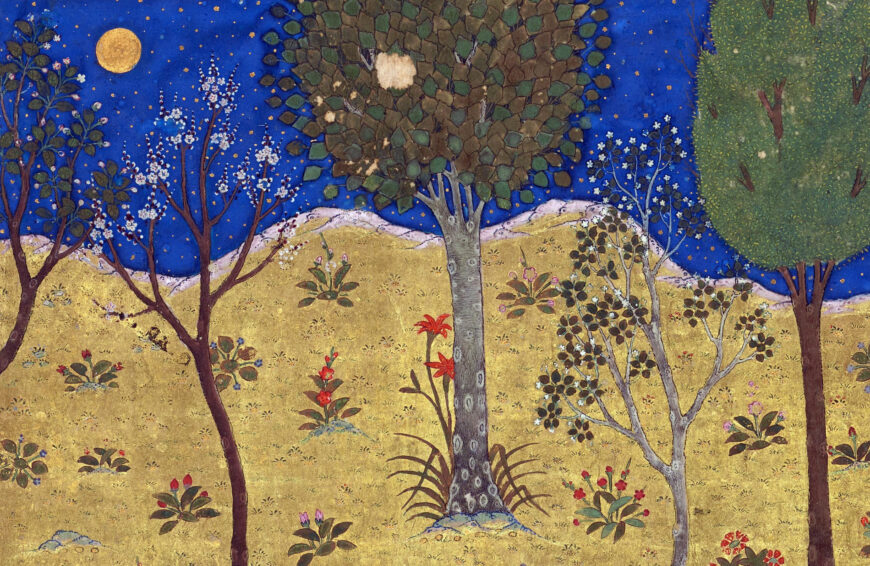
Prince Baysunghur’s Rose Garden (Gulistan) by Saʿdi

1427

video icon

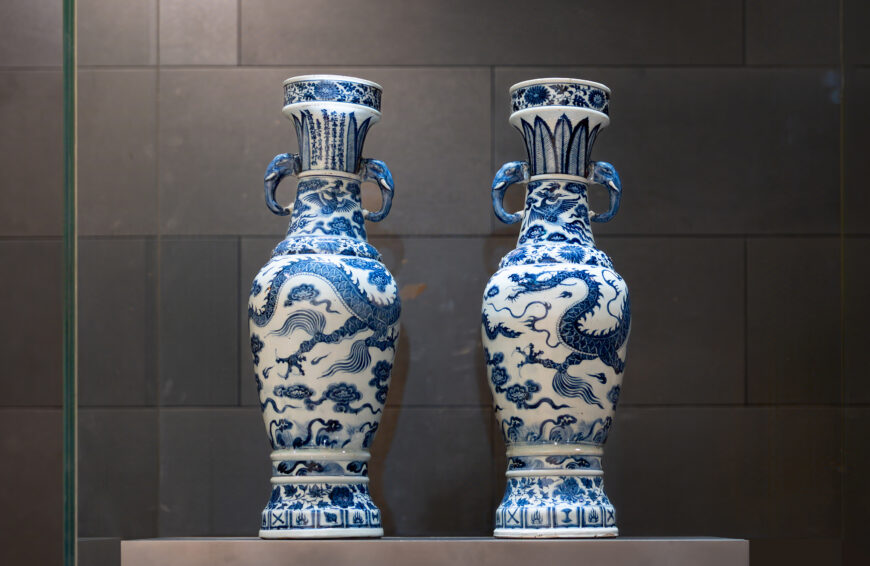
The David Vases

1351

video icon

Quṣayr ʿAmra

723–744 C.E.

essay icon

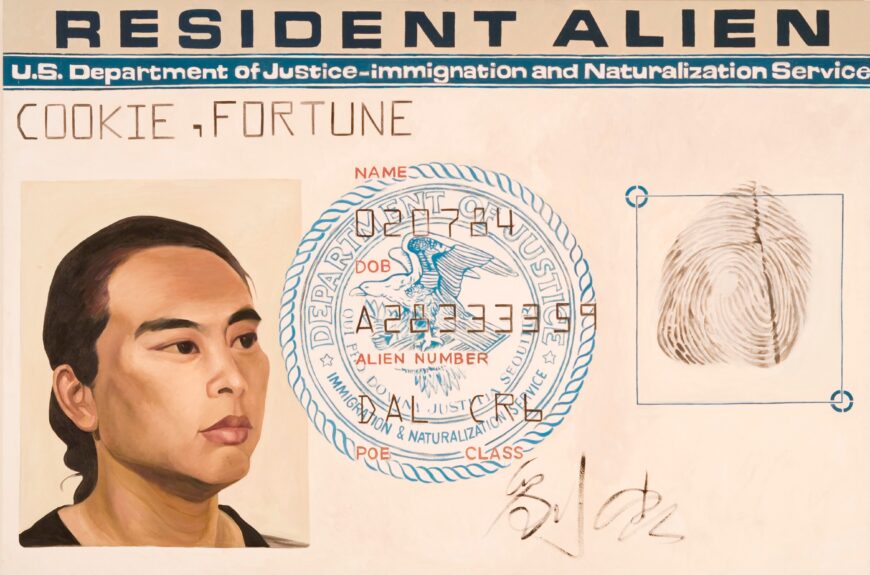
Hung Liu, Resident Alien

1988

essay icon

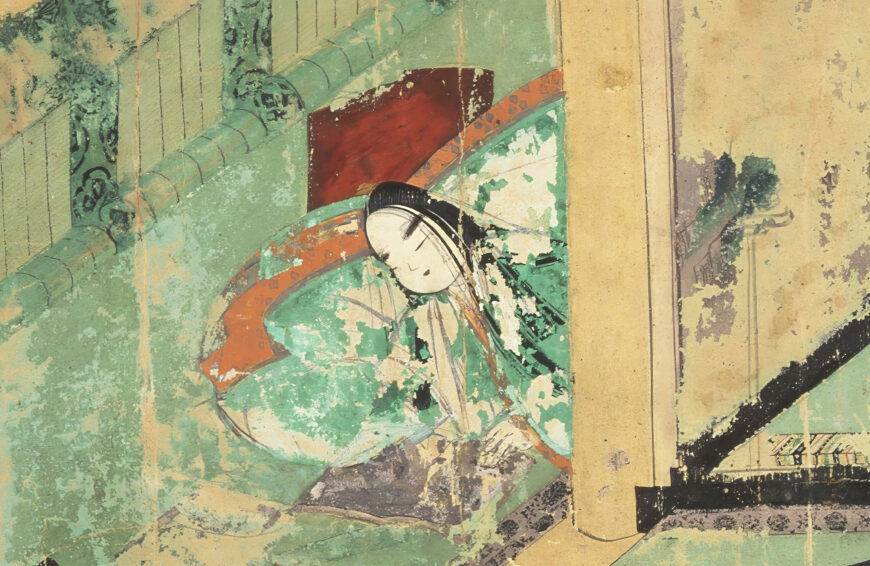
Illustrated scroll from the Tale of Genji

c. 1130

video icon essay icon

Chihil Sutun, a Safavid palace

1647

essay icon
1 2 3 … 65 Next
Search and See All (519)right arrow icon

Artists

sort iconSort: A-Z
Search and See All (207) right arrow icon
Ai Weiwei, Dropping a Han Dynasty Urn, 1995 (photo: © Ai Weiwei)

Ai Weiwei, Dropping a Han Dynasty Urn, 1995 (photo: © Ai Weiwei)

Muzaffar ‘Ali

Riza-yi ‘Abbasi

Lida Abdul

Abdullah Frères (photography studio)

Muhammad Abed

Adel Abidin

Mir Afzal of Tun

Sedefkâr Mehmed Ağa

Ajowmien

Mir Abd Al-Karim

An Junggeun

An Jungsik

Anige

Manish Arora

Genia Averbuch

Yun Baek-ha

1 2 3 … 13 Next
Search and See All (207) right arrow icon

Periods, Cultures, Styles

Search and See All (159)right arrow icon

Prehistoric

before 2000 B.C.E.

Paleolithic

before 10,000 B.C.E.
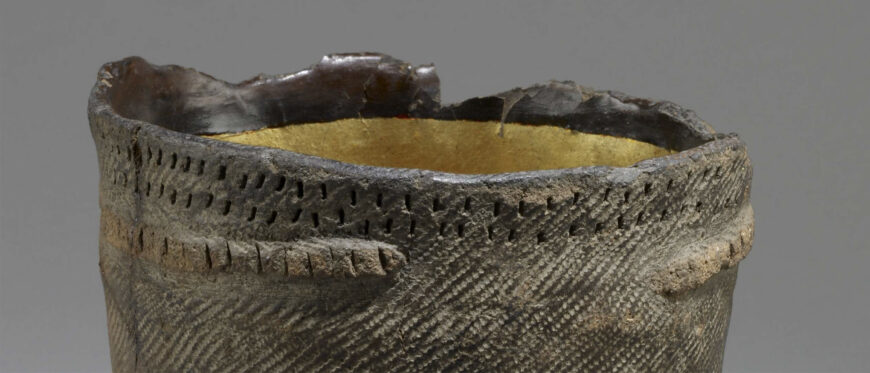
Jōmon period

c. 10,500–300 B.C.E.

Neolithic

c. 10,000–2000 B.C.E.
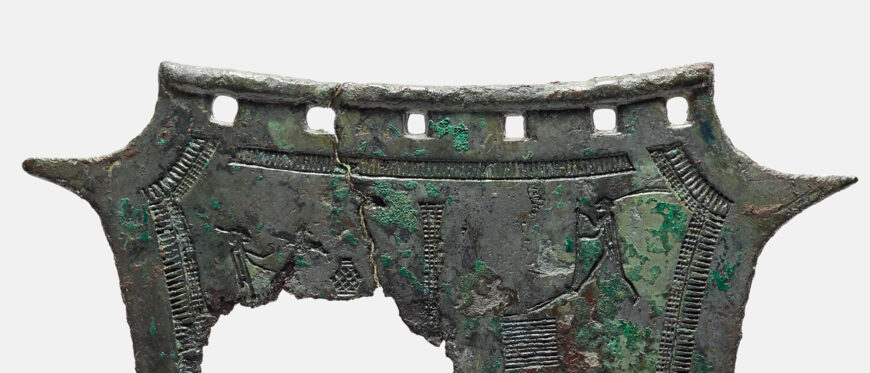
Korean Bronze Age

c. 10th–3rd century B.C.E.
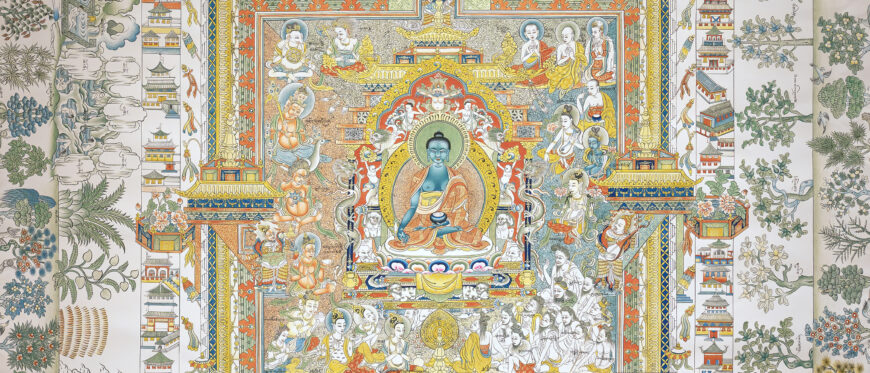
Tibetan

to today
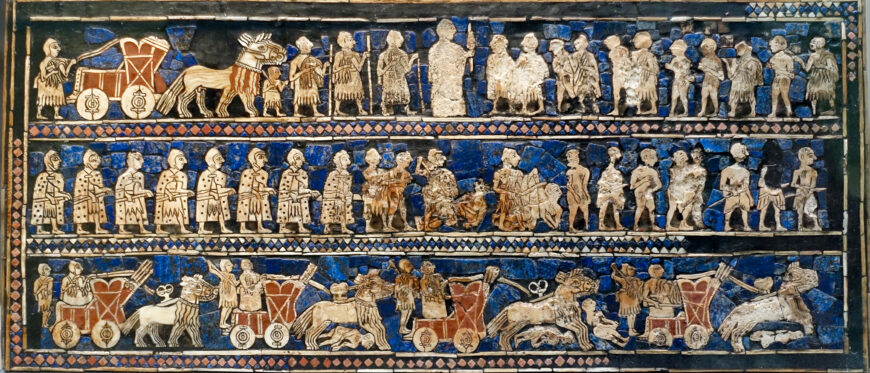
Sumerian

c. 5500–2004 B.C.E.
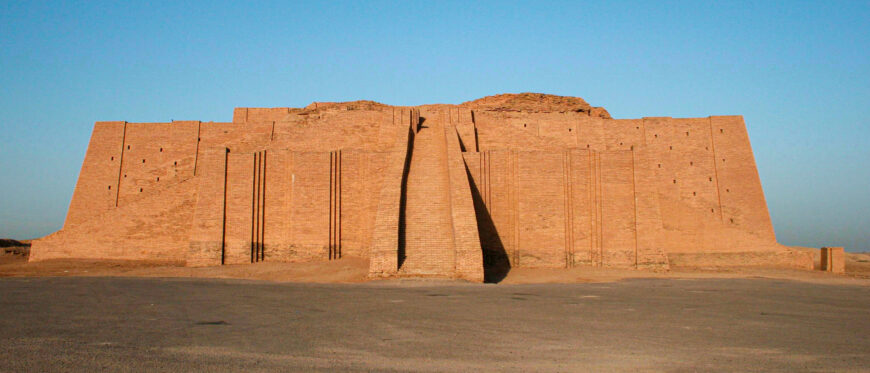
Ancient West Asian

c. 5000 B.C.E.–651 C.E.
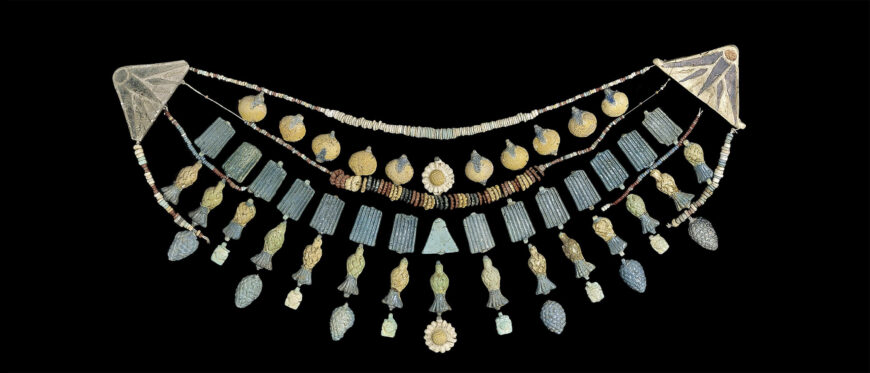
Canaanite

c. 4500–1150 B.C.E.
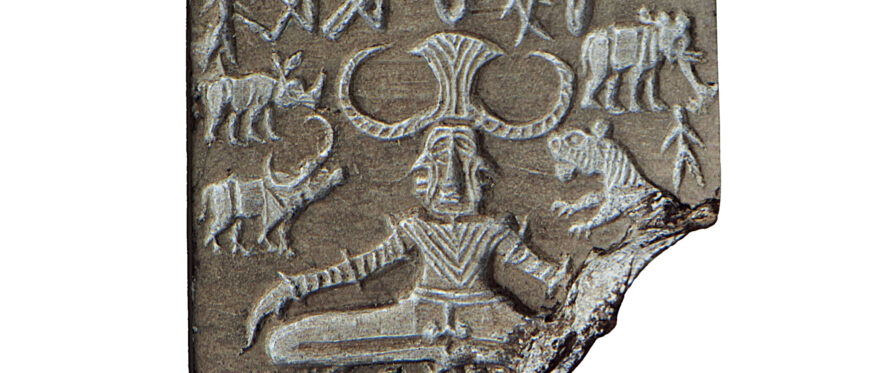
Indus Valley Civilization

c. 3300–1300 B.C.E.
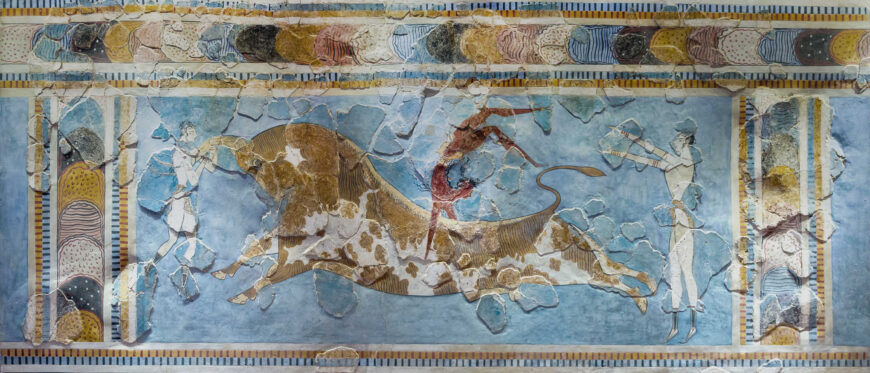
Ancient Aegean

c. 3200–1050 B.C.E.
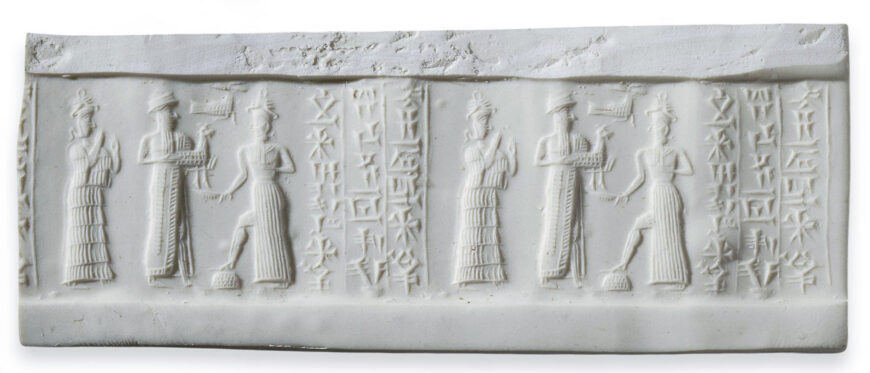
Amorite

c. 2400–1500 B.C.E.
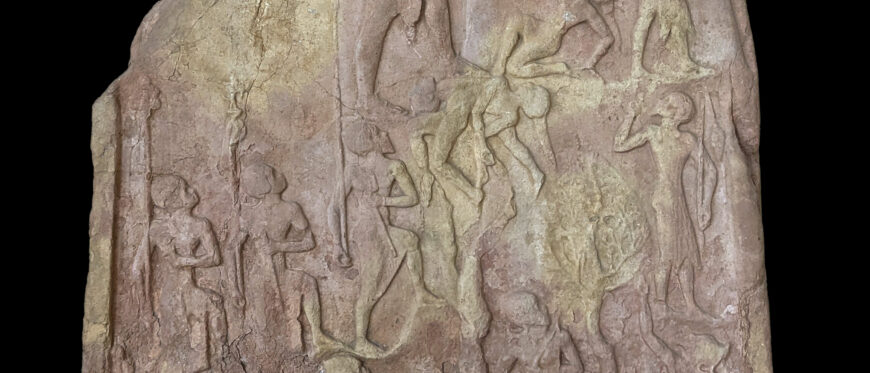
Akkadian

c. 2334–2193 B.C.E.
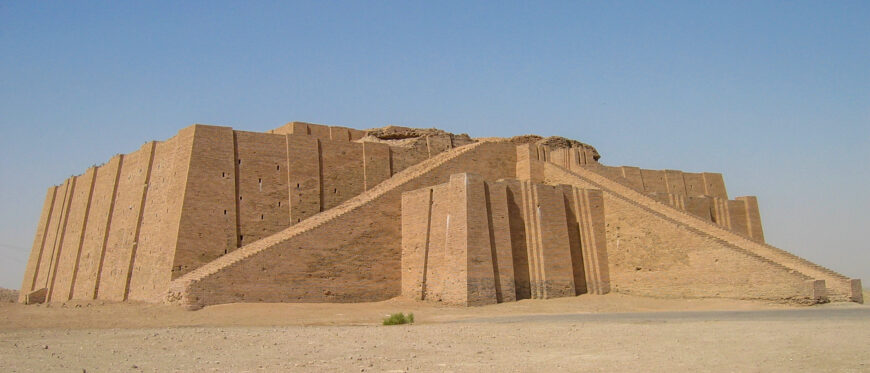
Neo-Sumerian (Ur III)

c. 2112–2004 B.C.E.
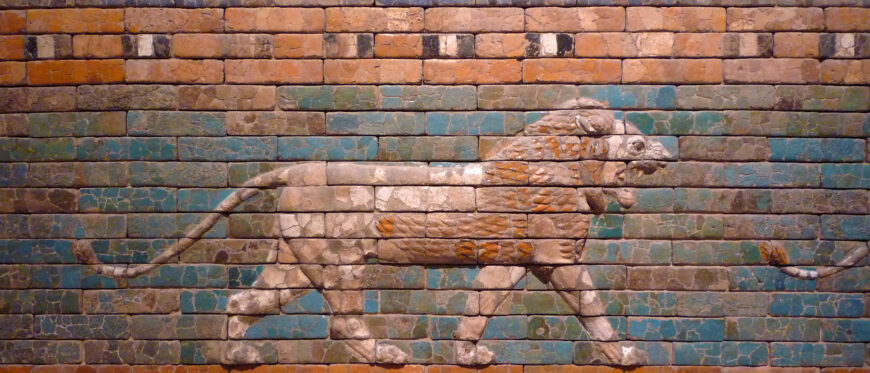
Babylonian

c. 1894–539 B.C.E.
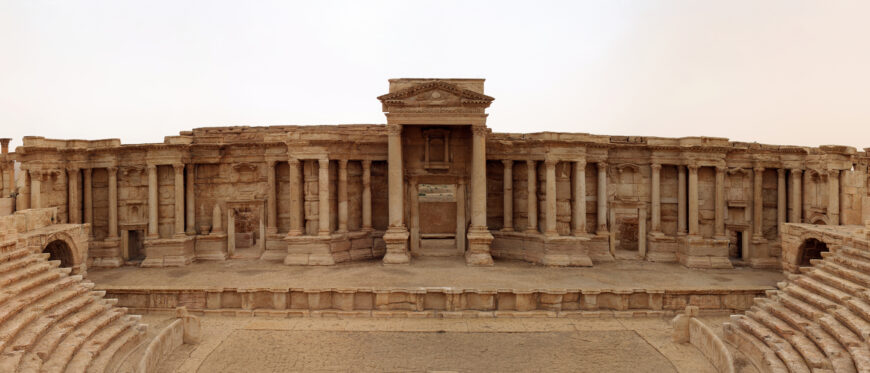
Palmyra

c. 1800 B.C.E.–273 C.E.
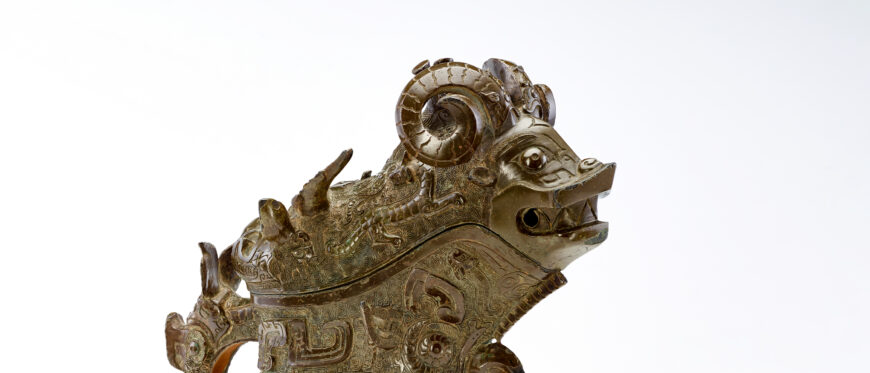
Shang dynasty

c. 1600–1050 B.C.E.
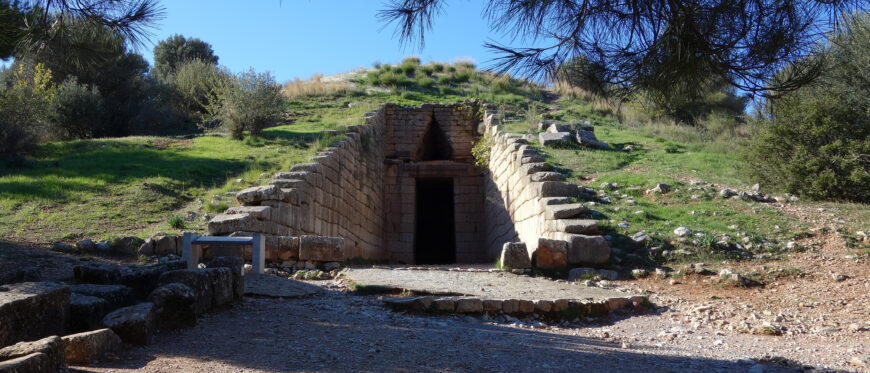
Mycenaean

c. 1600–1050 B.C.E.
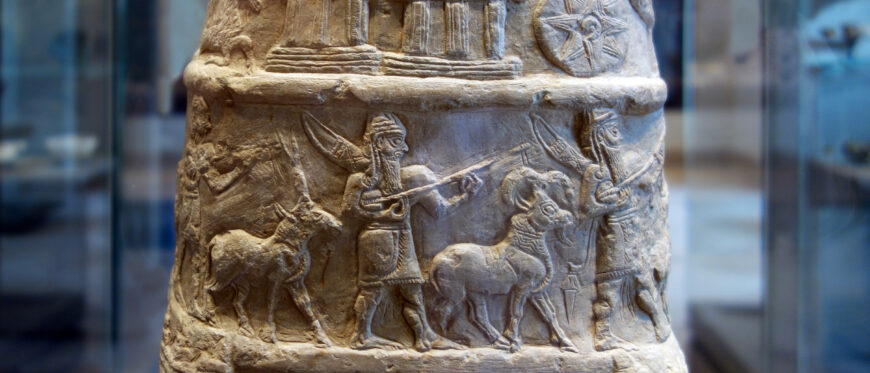
Kassite

c. 1600–1000 B.C.E.
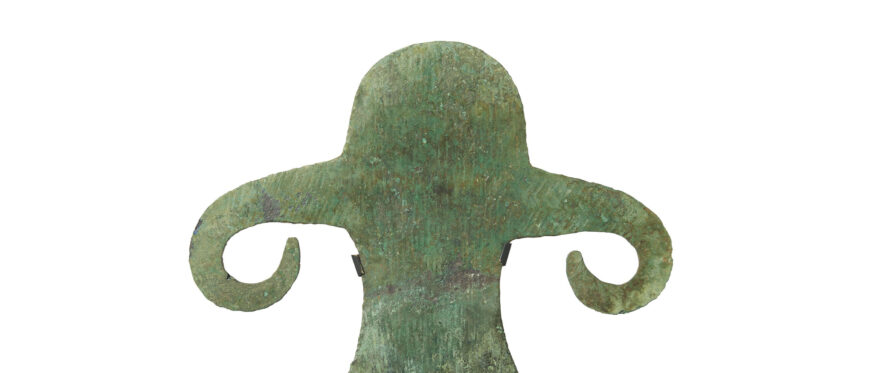
Vedic

c. 1500–500 B.C.E.
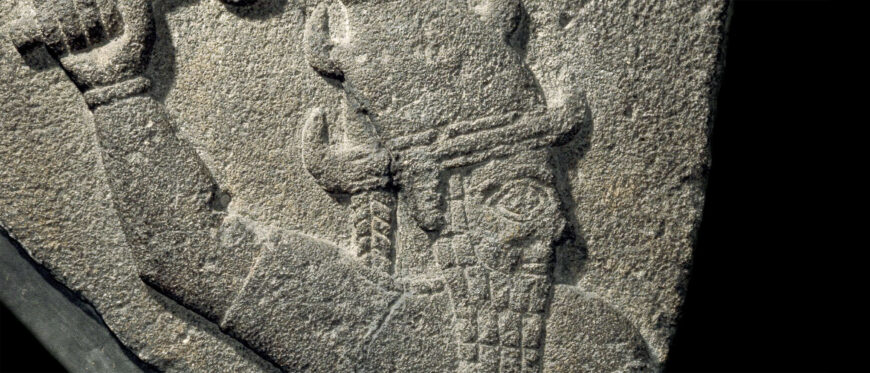
Hittite

c. 1400–1200 B.C.E.
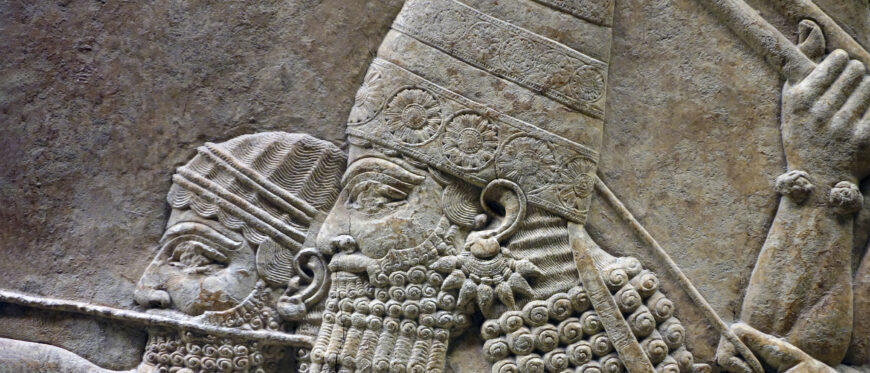
Assyrian

c. 1365–609 B.C.E.
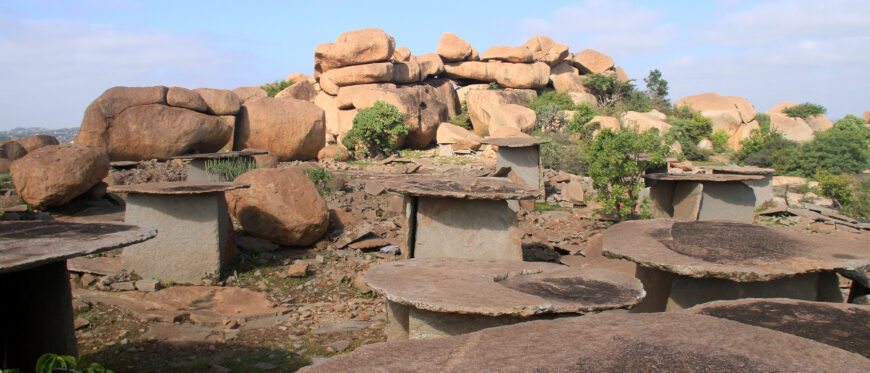
Iron Age India

c. 1300–200 B.C.E.
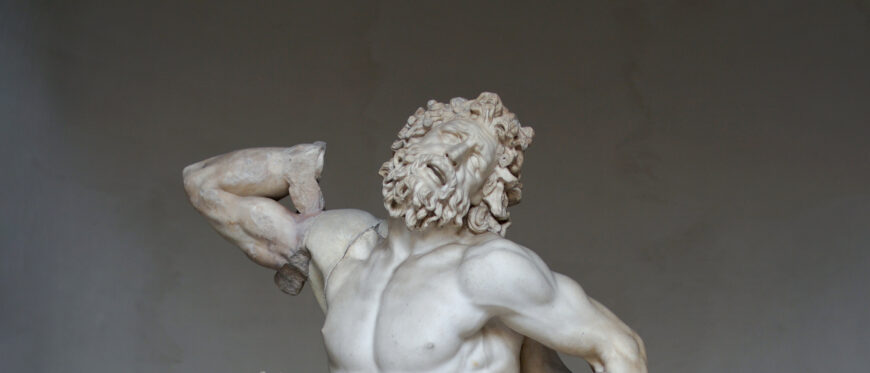
Ancient Greek

c. 1100–31 B.C.E.
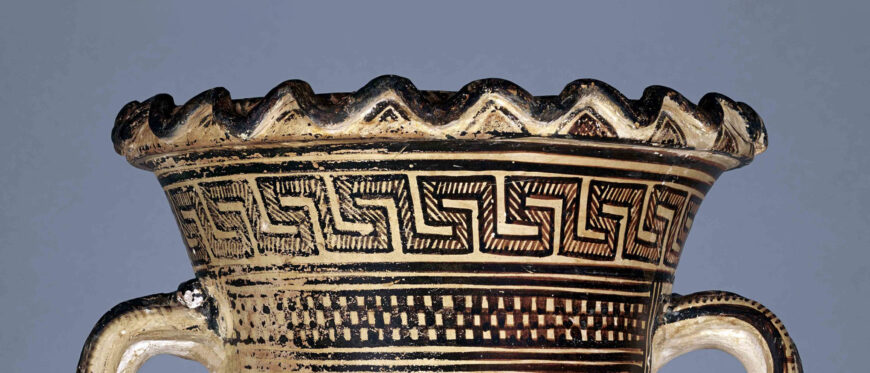
Geometric period

c. 1100–700 B.C.E.
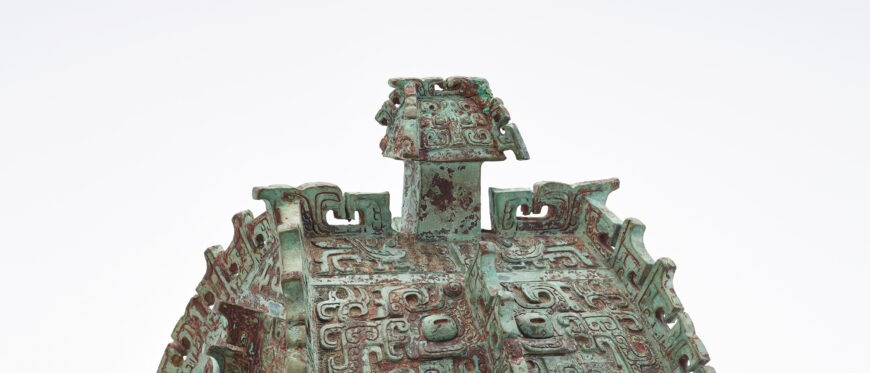
Zhou dynasty

c. 1050–221 B.C.E.
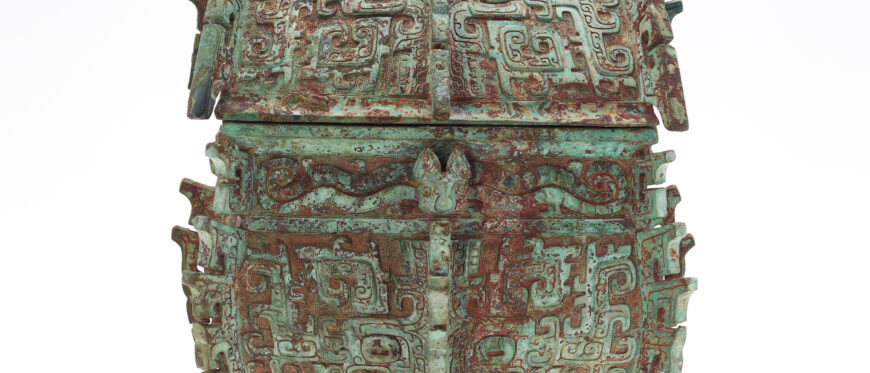
Western Zhou dynasty

c. 1046–771 B.C.E.
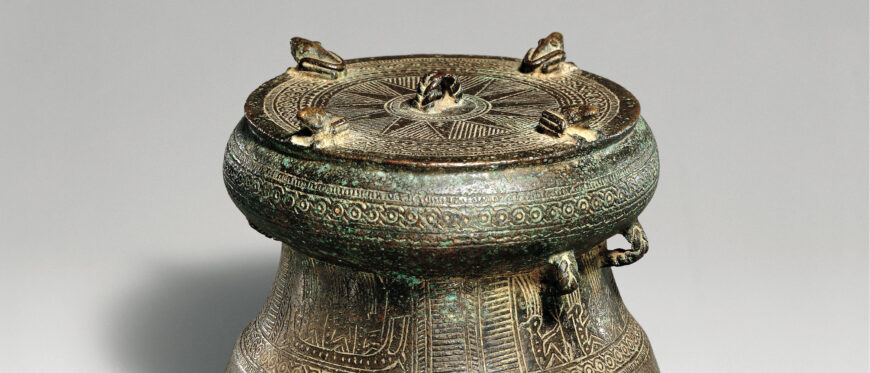
Đông Sơn

1000 B.C.E.–100 C.E.
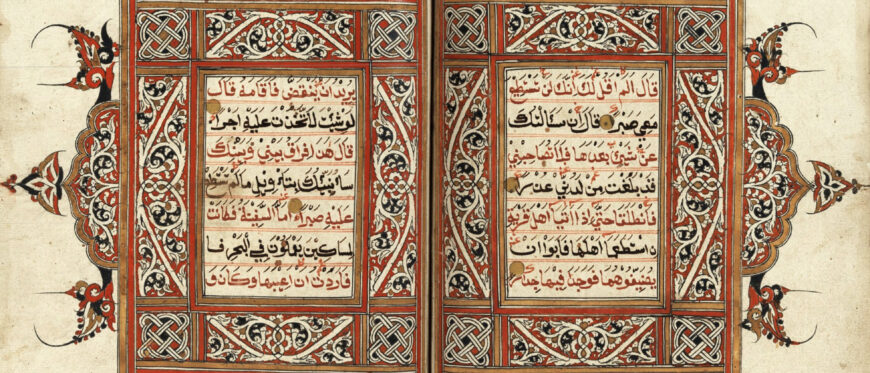
Sumatran

to today
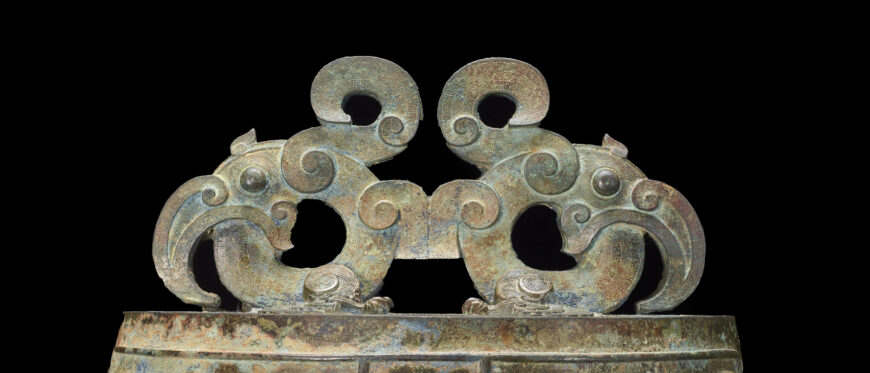
Eastern Zhou dynasty

770–256 B.C.E.
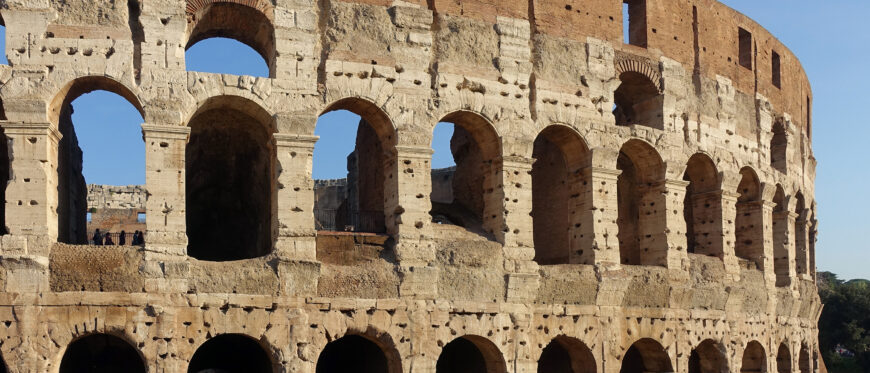
Ancient Roman

c. 753 B.C.E.–410 C.E.
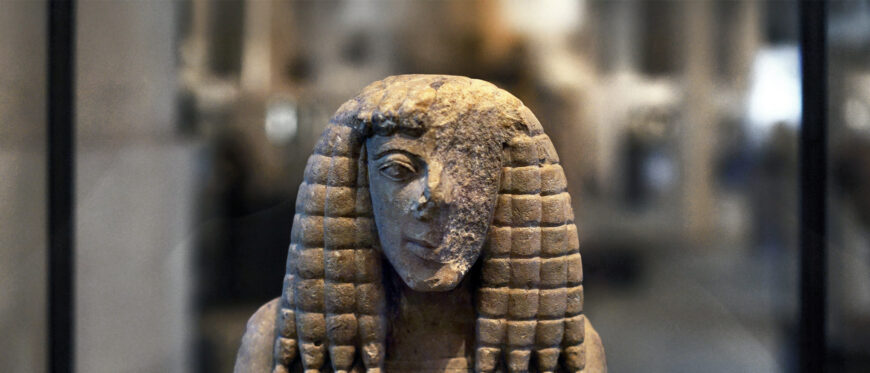
Protoarchaic

c. 700–600 B.C.E.
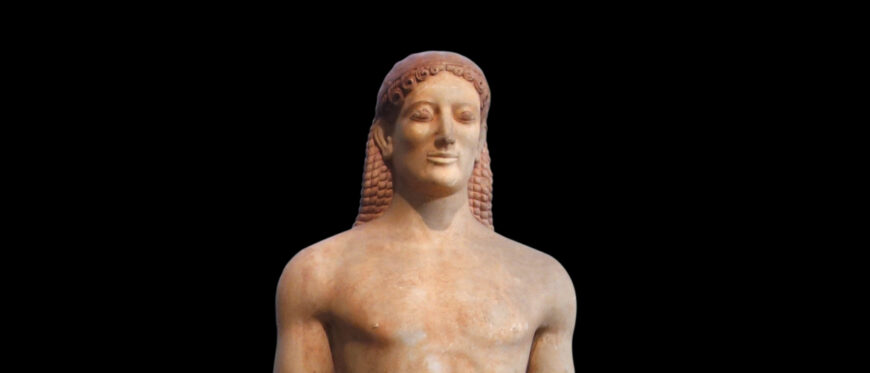
Archaic

c. 600–480 B.C.E.
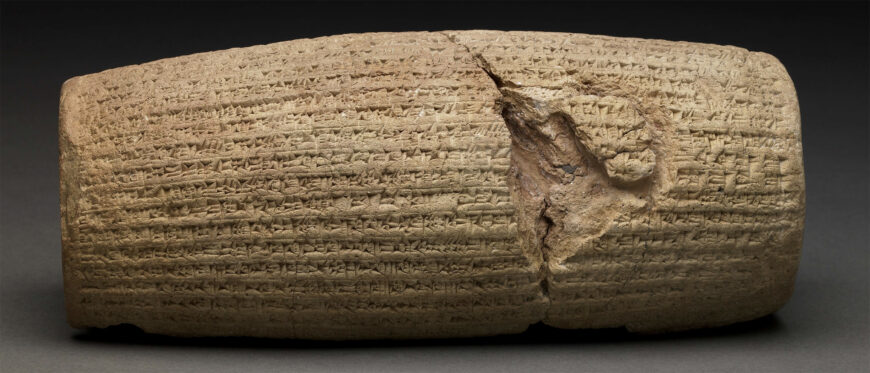
Persian (Achaemenid Empire)

c. 550–330 B.C.E.
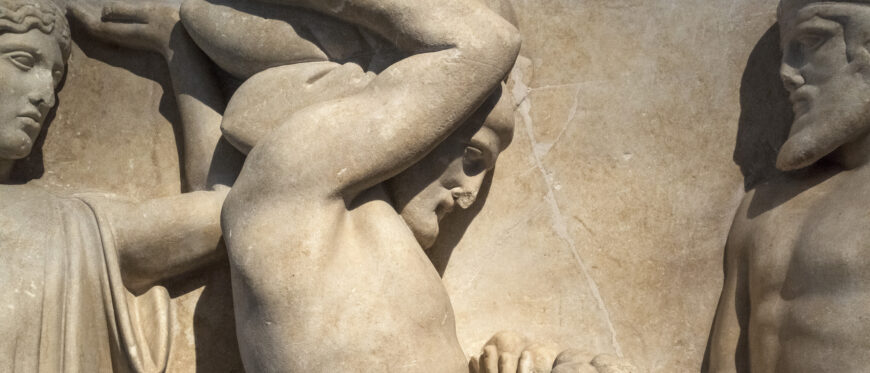
Early Classical

480–450 B.C.E.
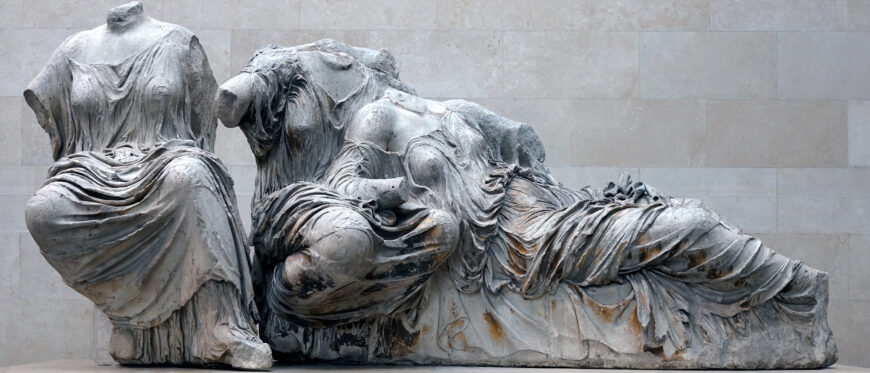
High Classical

450–400 B.C.E.
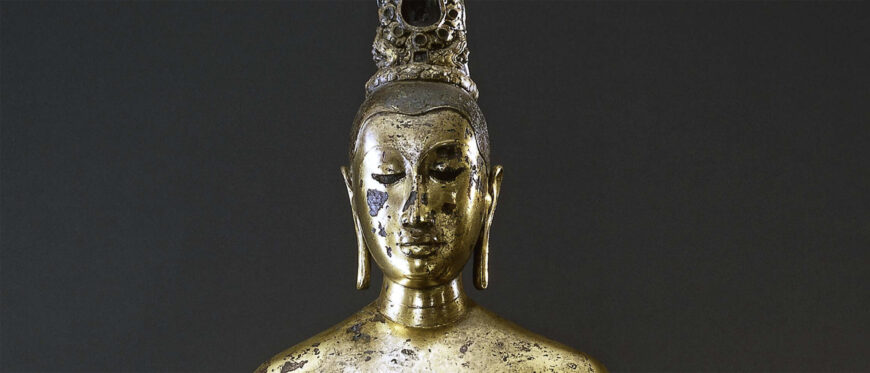
Anuradhapura Kingdom

437 B.C.E.–1017 C.E.
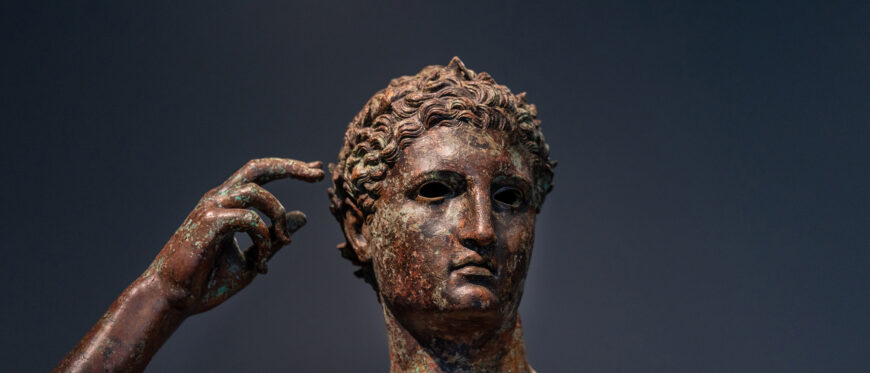
Late Classical

400–323 B.C.E.
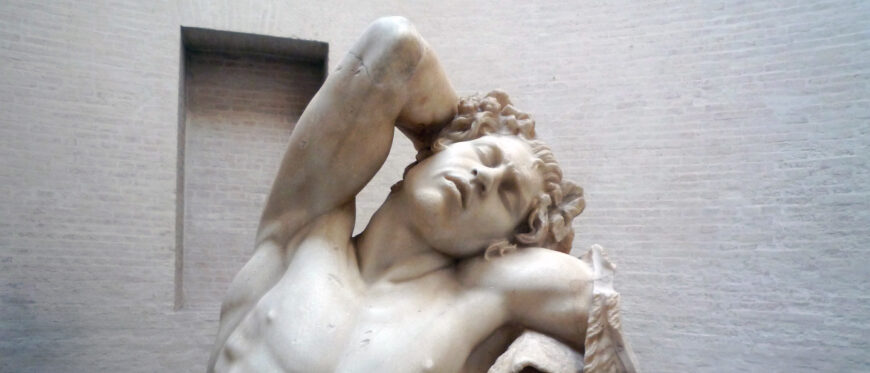
Hellenistic

323–31 B.C.E.
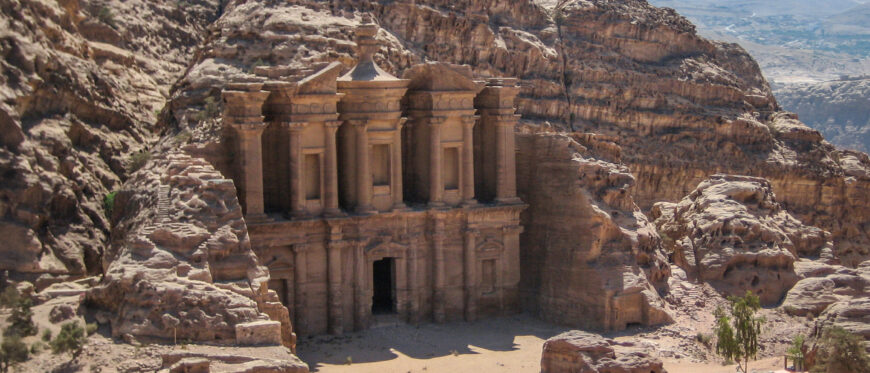
Nabataean

323 B.C.E–105 C.E.
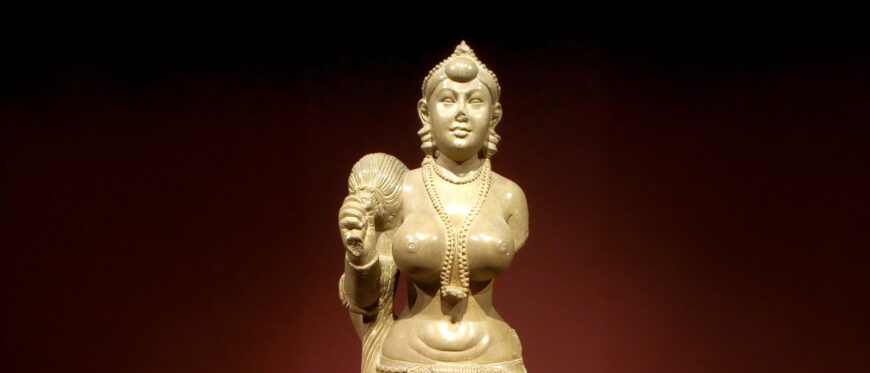
Mauryan

c. 321–232 B.C.E.
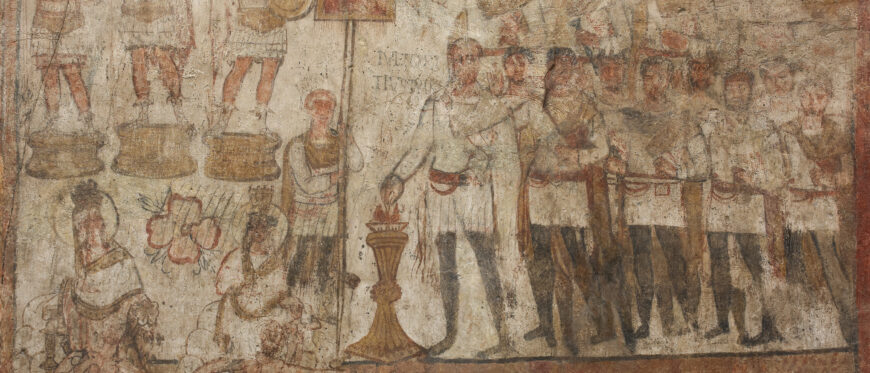
Dura-Europos

c. 300 B.C.E.–256 C.E.
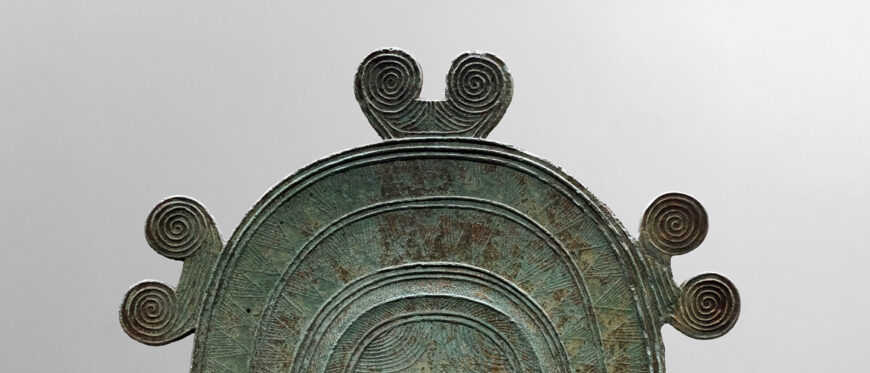
Yayoi period

c. 300 B.C.E.–300 C.E.
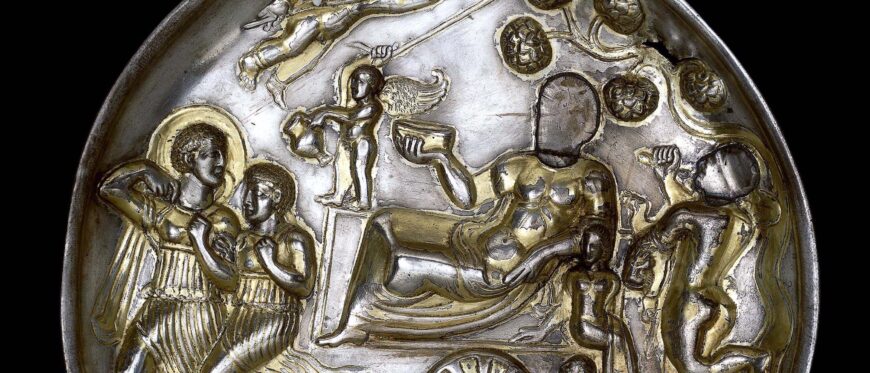
Parthian

247 B.C.E.–224 C.E.
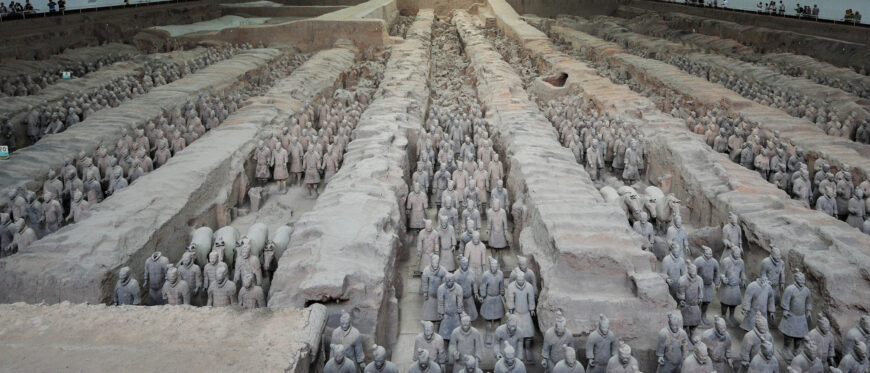
Qin dynasty

c. 221–206 B.C.E.
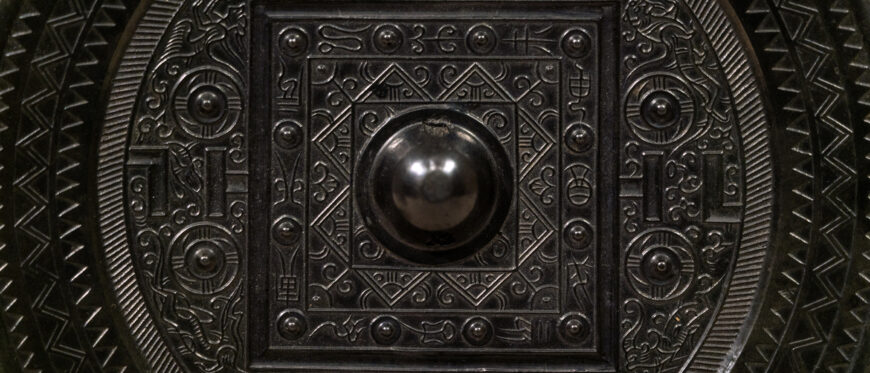
Han dynasty

206 B.C.E.–220 C.E.
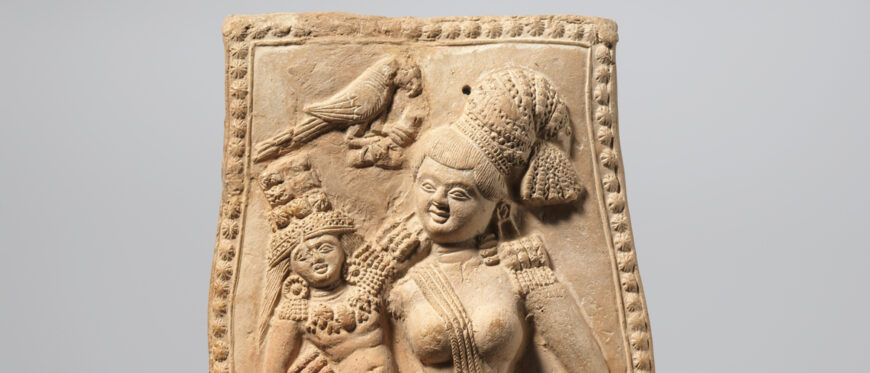
Kushan Empire

c. 2nd century B.C.E.–3rd century C.E.
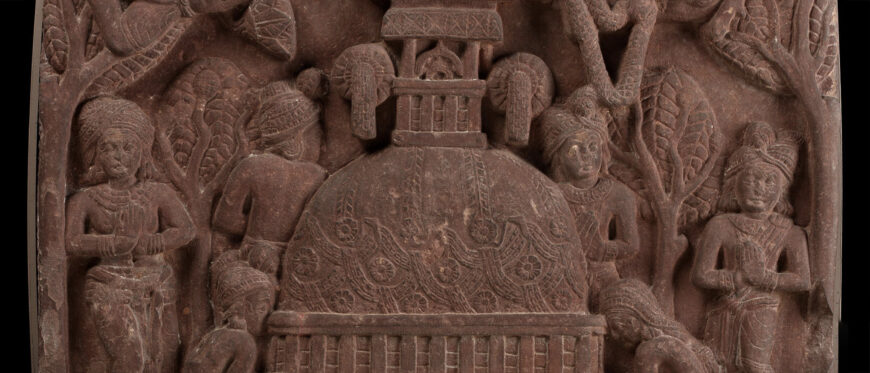
Shunga Empire

c. 185–73 B.C.E.
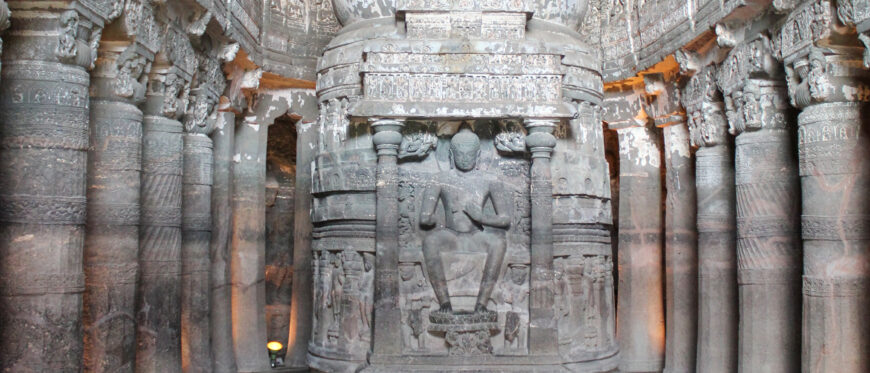
Sātavāhana dynasty

late 2nd century B.C.E.–early 3rd century C.E.
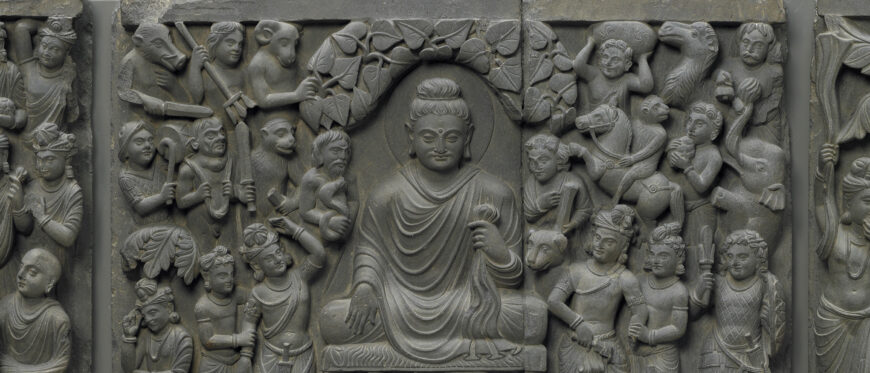
Gandharan

c. 2nd century B.C.E.–8th century C.E.
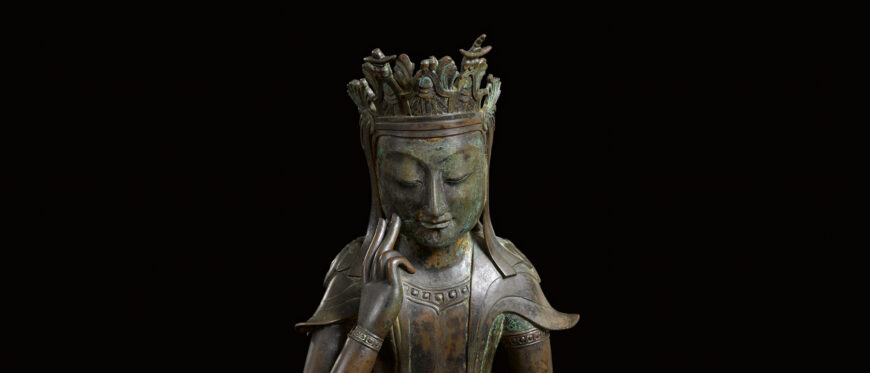
Three Kingdoms period

57 B.C.E.–676 C.E.
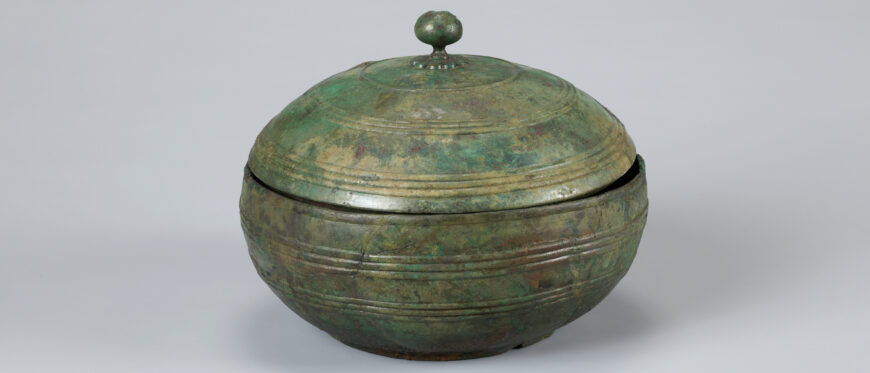
Silla Kingdom

c. 57 B.C.E.–668 C.E.
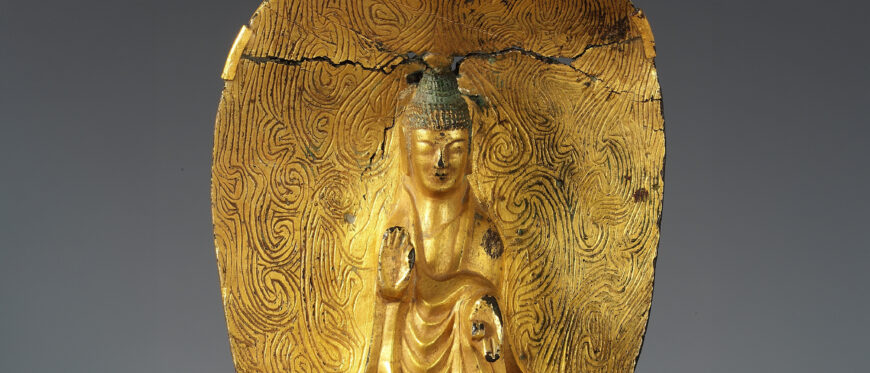
Goguryeo Kingdom

37 B.C.E.–668 C.E.
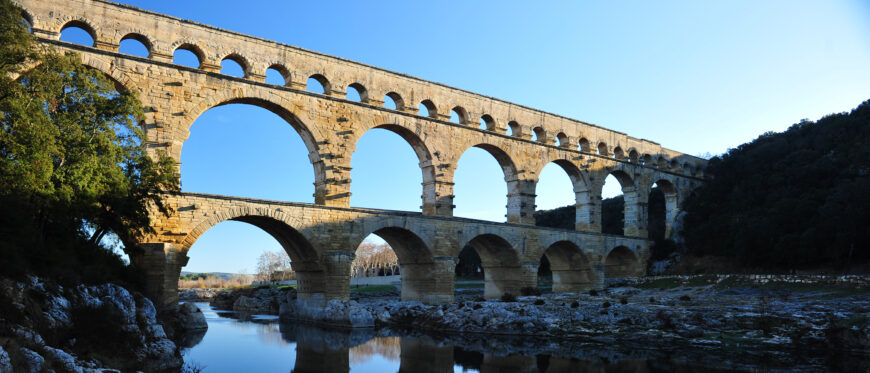
Early Roman Empire

c. 27 B.C.E.–117 C.E.
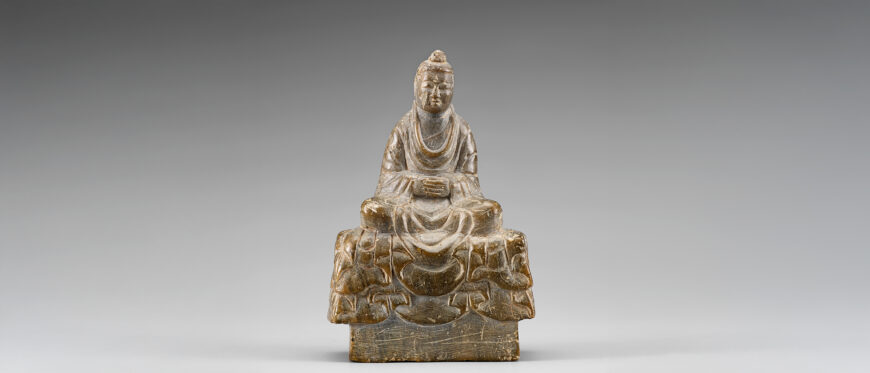
Baekje

18 B.C.E.–660 C.E.
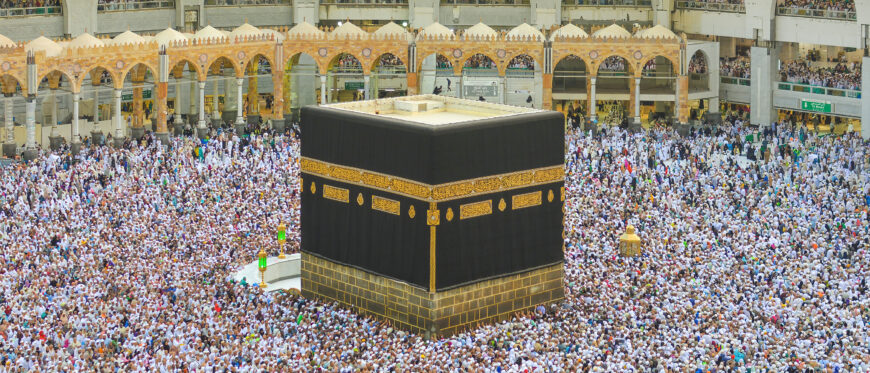
Quraysh

c. 2nd century C.E.–today
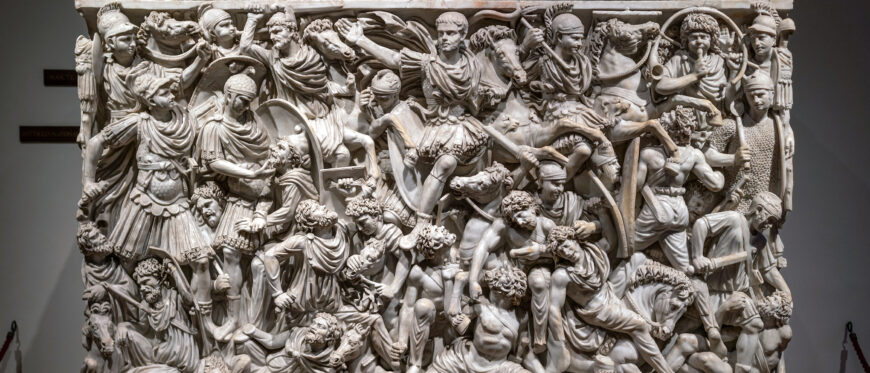
Middle Roman Empire

c. 117–235 C.E.
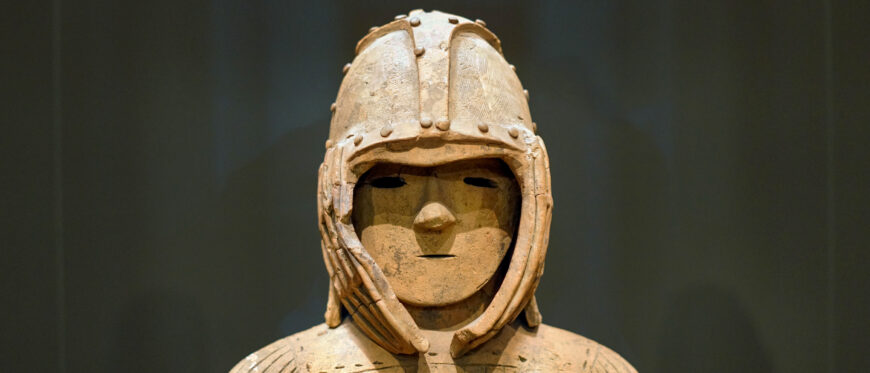
Kofun period

c. 3rd century–538 C.E.
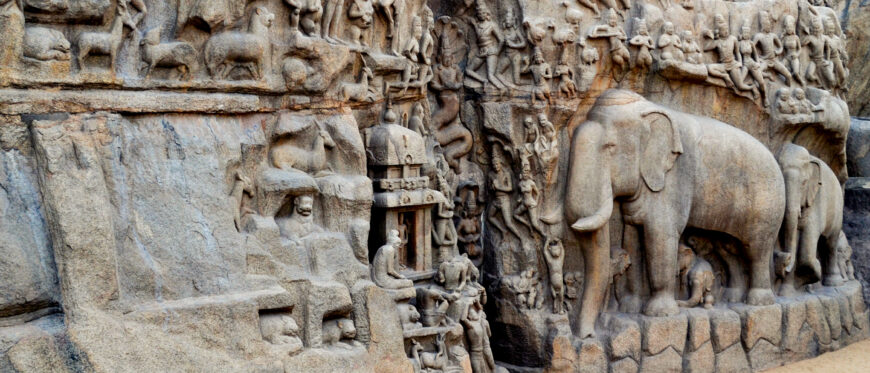
Pallava kingdom

3rd–9th century
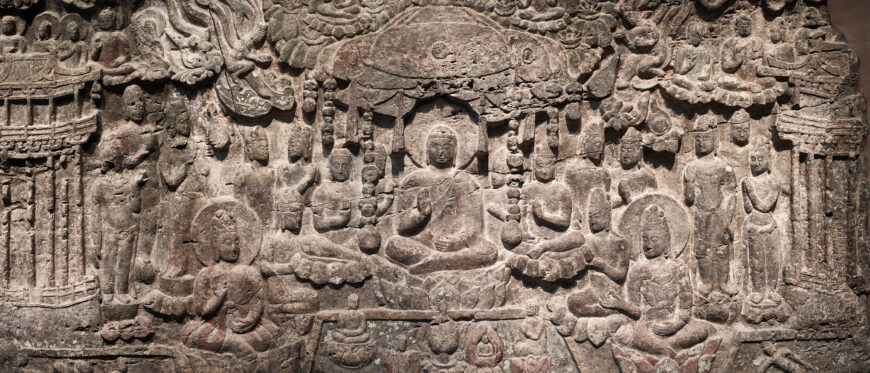
Period of Division

220–589 C.E.
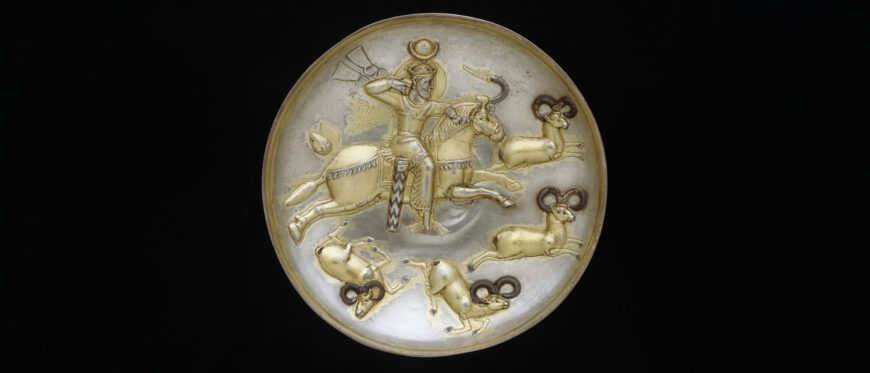
Sasanian

224–651 C.E.
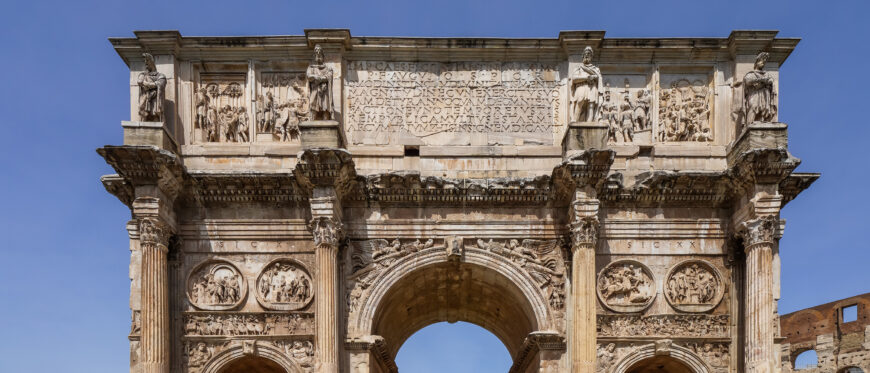
Late Roman Empire

c. 235–410 C.E.
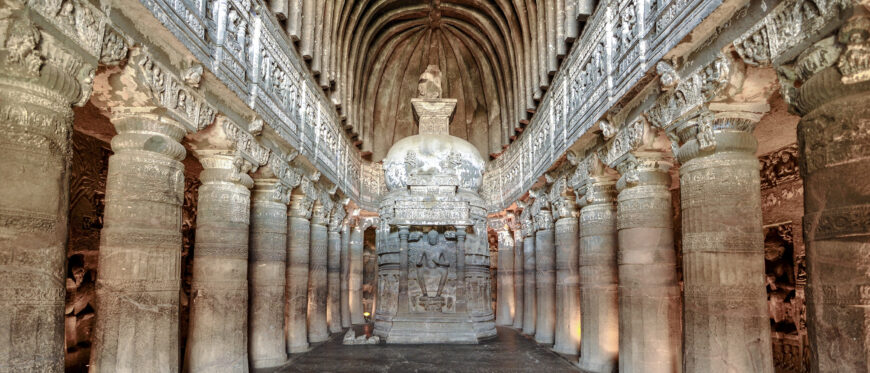
Vākāṭaka dynasty

c. 250–500 C.E.
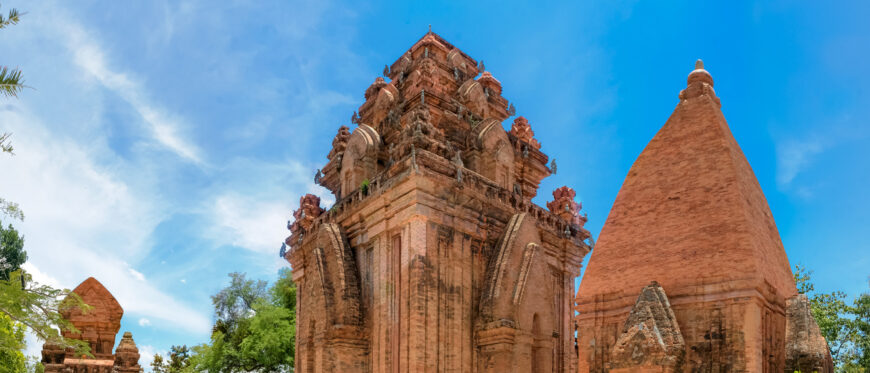
Cham

c. 300–1471
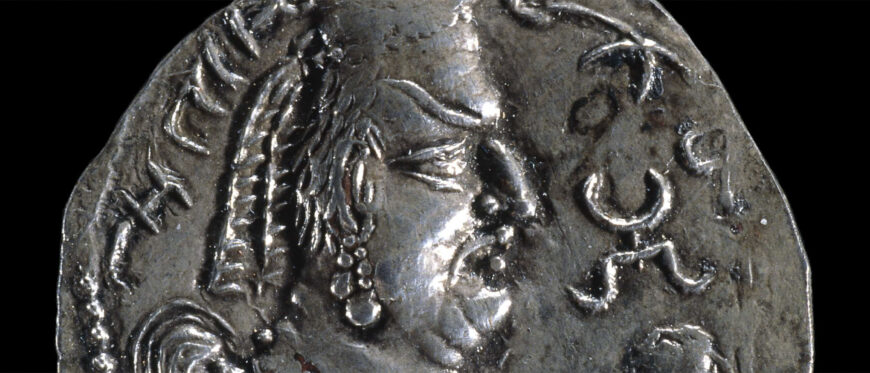
Hunnic

c. 300–500 C.E.
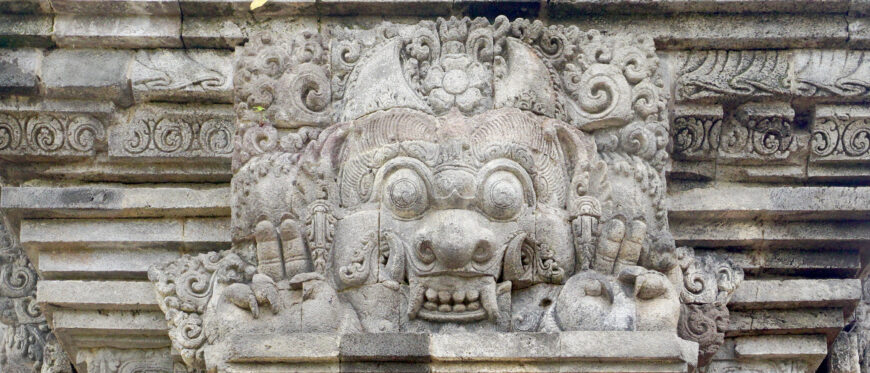
Javanese

c. 300–today
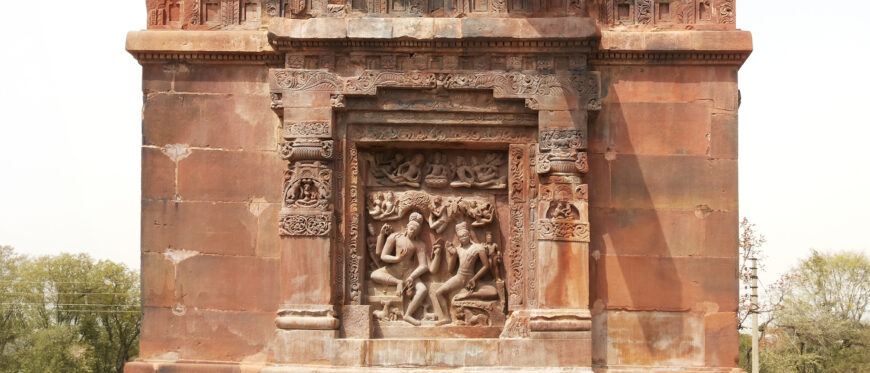
Gupta dynasty

c. 320–647 C.E.
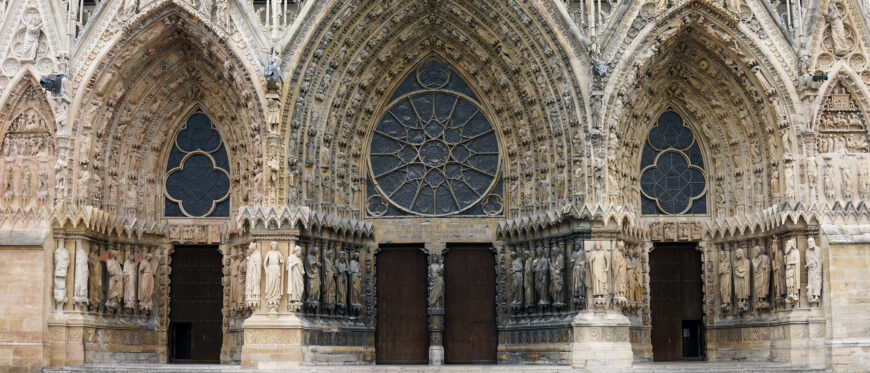
Medieval

c. 330–1453
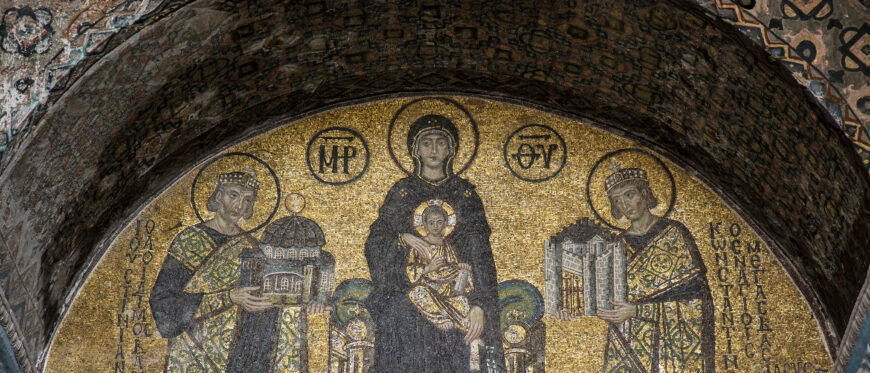
Byzantine

c. 330–1453
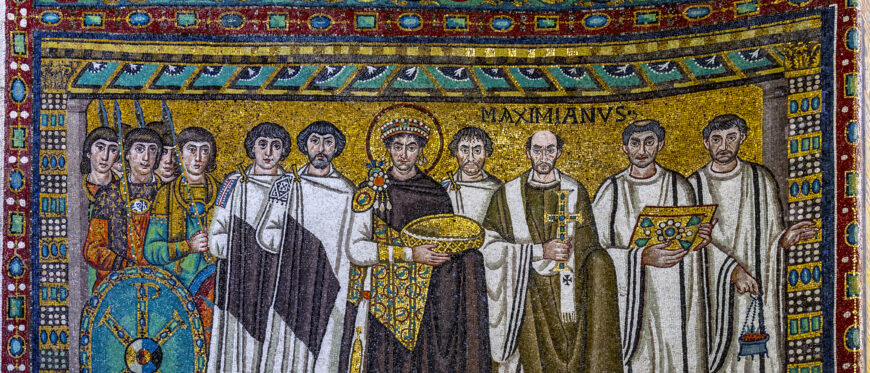
Early Byzantine

c. 330–843
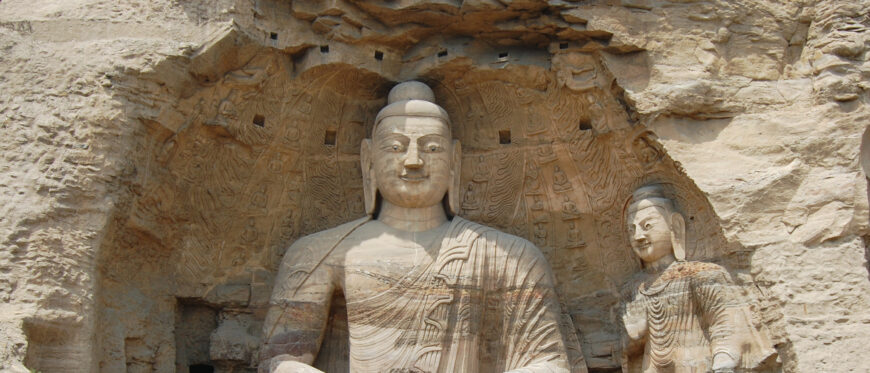
Northern Wei dynasty

386–534 C.E.
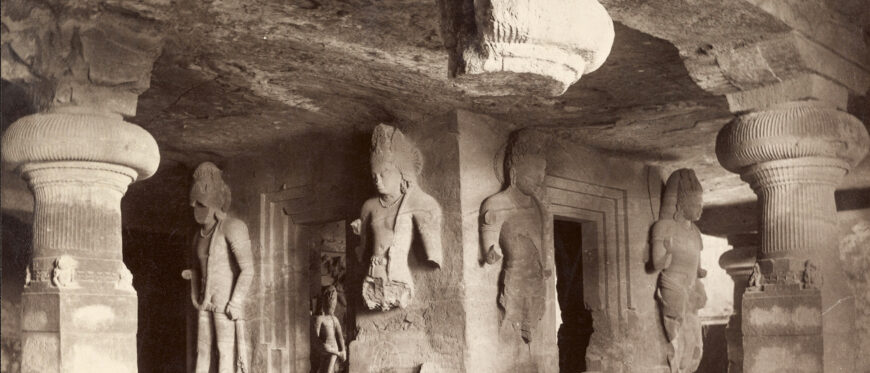
Kalachuri kingdom

c. 6th–7th century
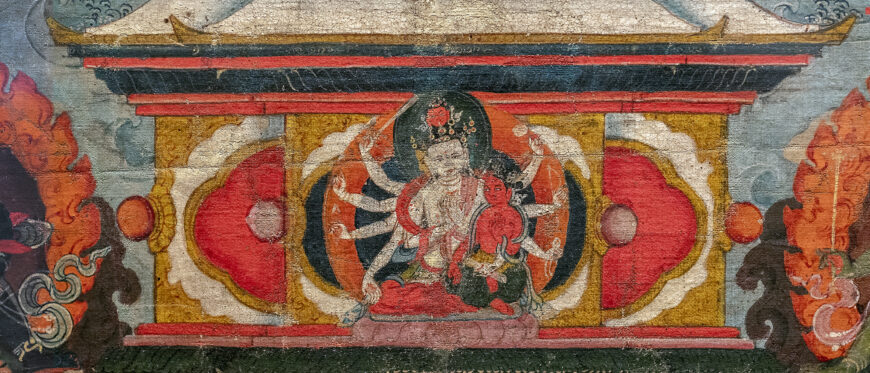
Newar

c. 500–today
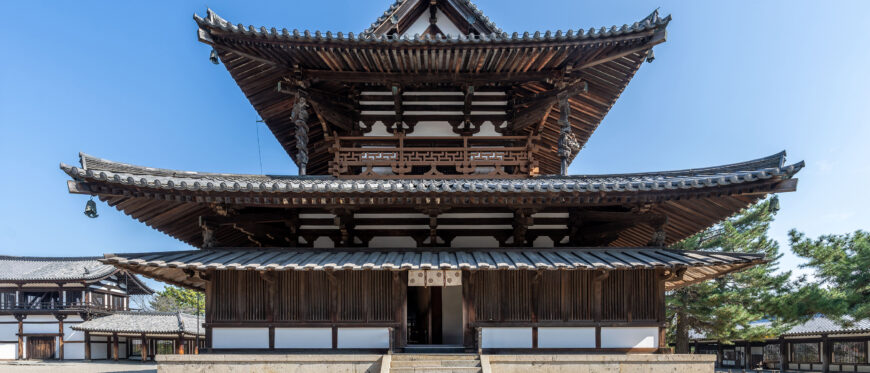
Asuka period

538–710
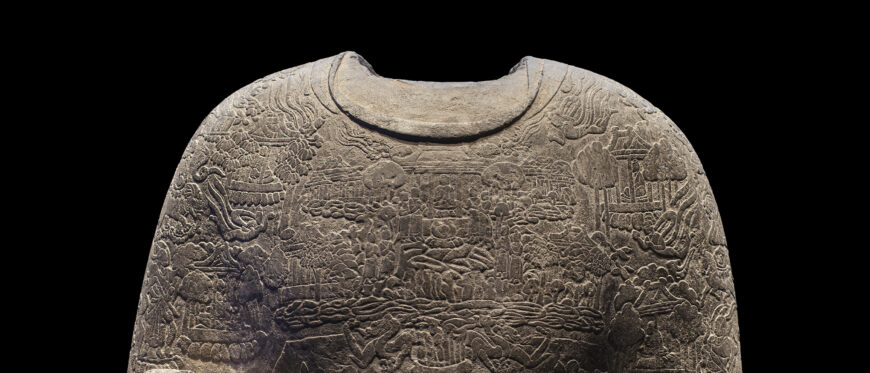
Northern Qi dynasty

550–577 C.E.
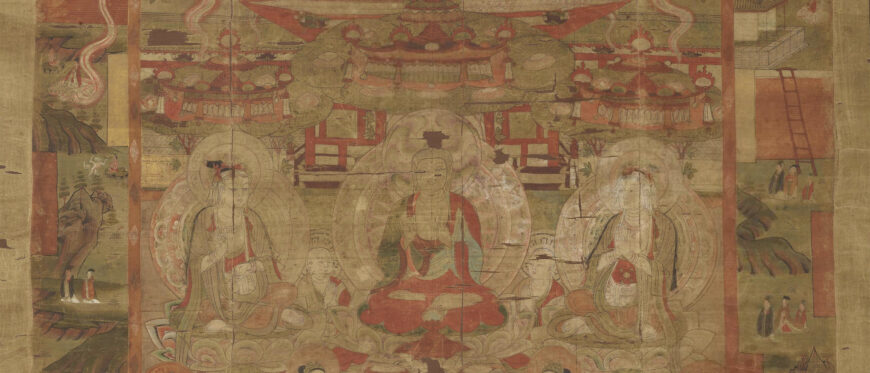
Tang dynasty

618–907
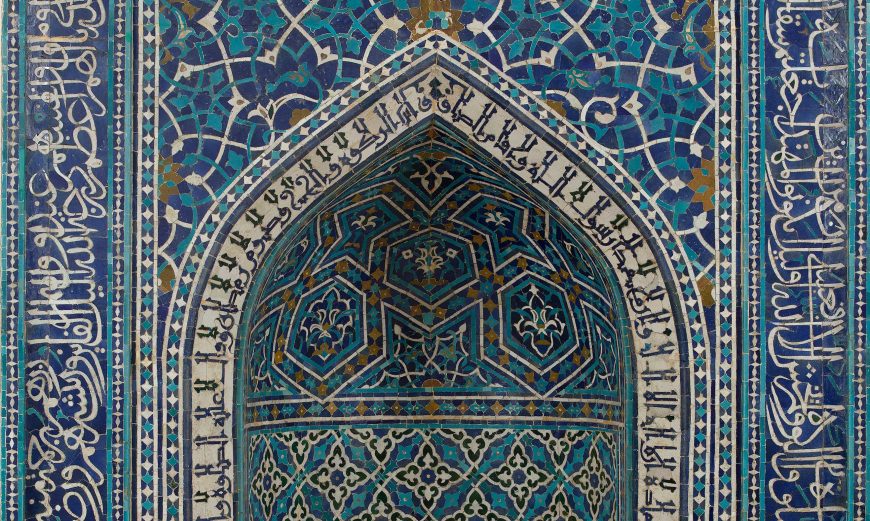
Islamic

c. 640–1924
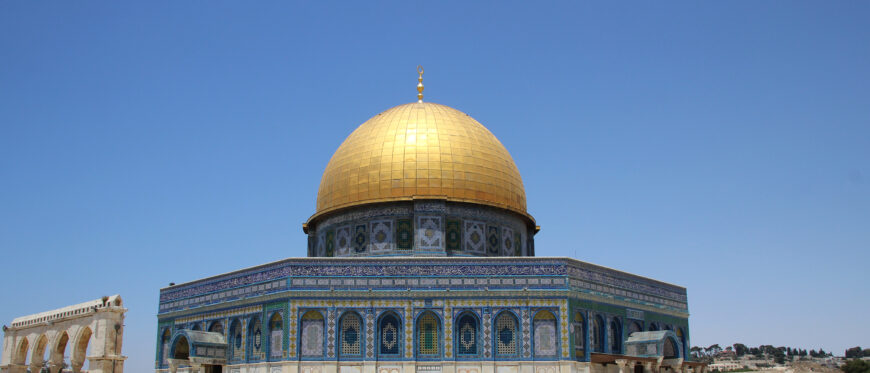
Umayyad

661–750
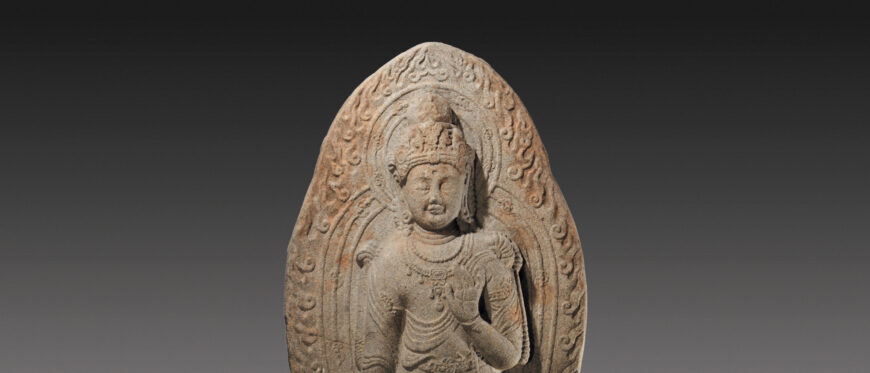
Unified Silla period

668–935
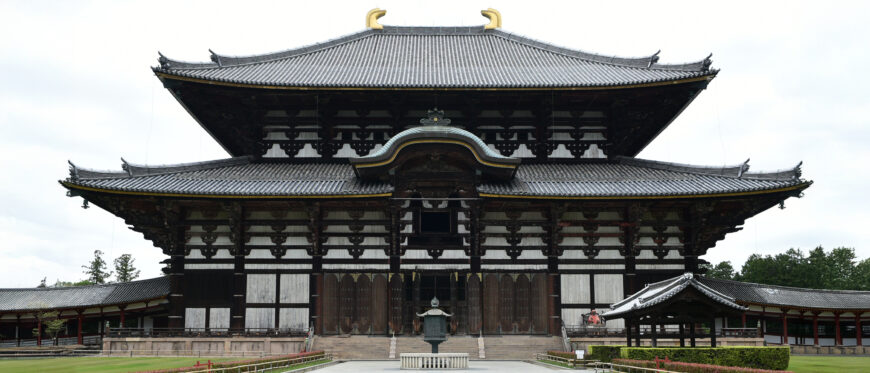
Nara period

710–794
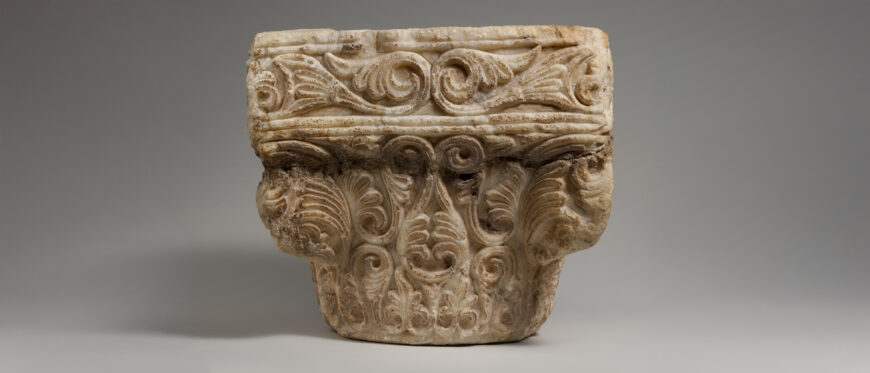
Abbasid

750–1258
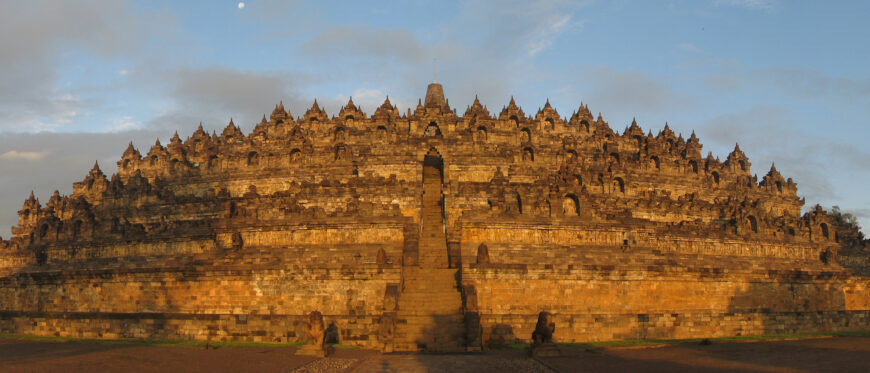
Śailendra Dynasty

c. 750–850
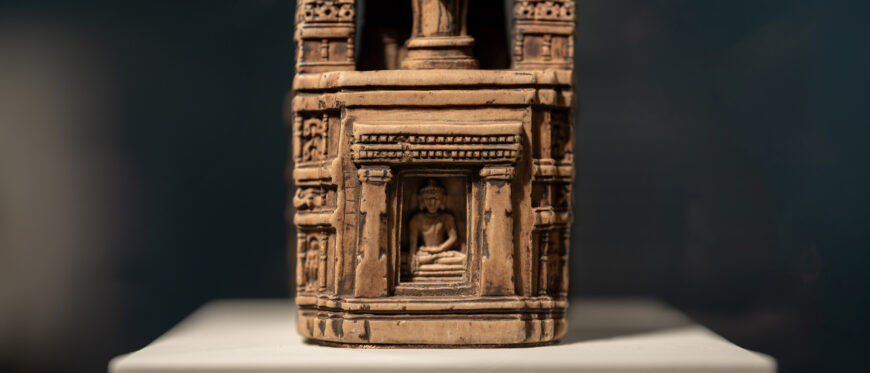
Pala Empire

750–1161
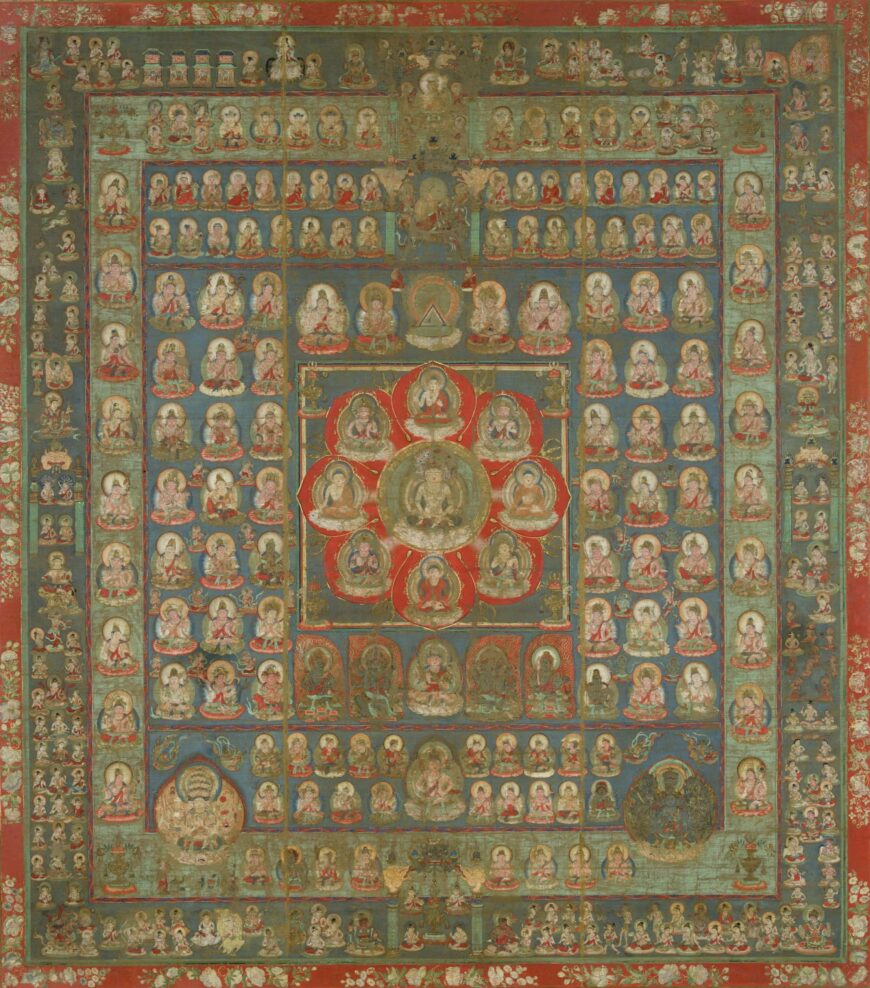
Heian period

794–1185
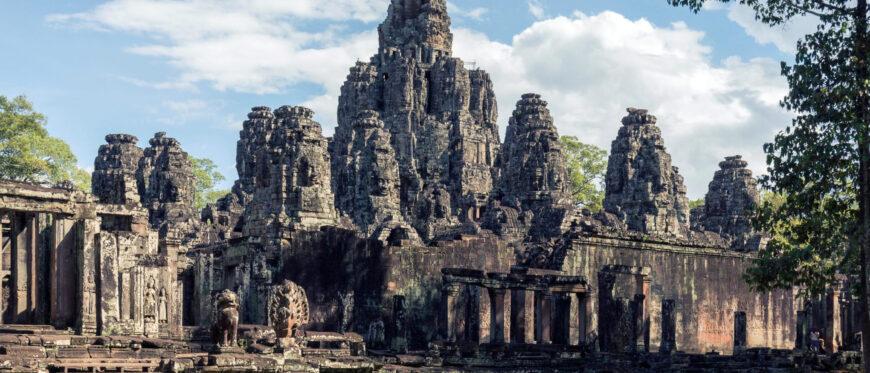
Angkor Period

802–1432
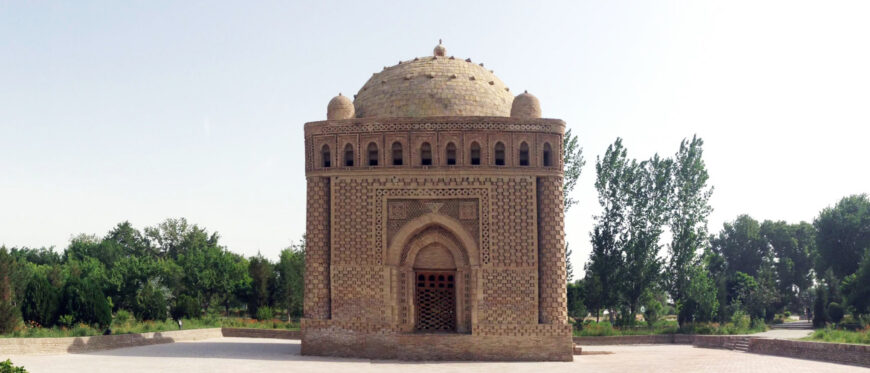
Samanid

809–1005
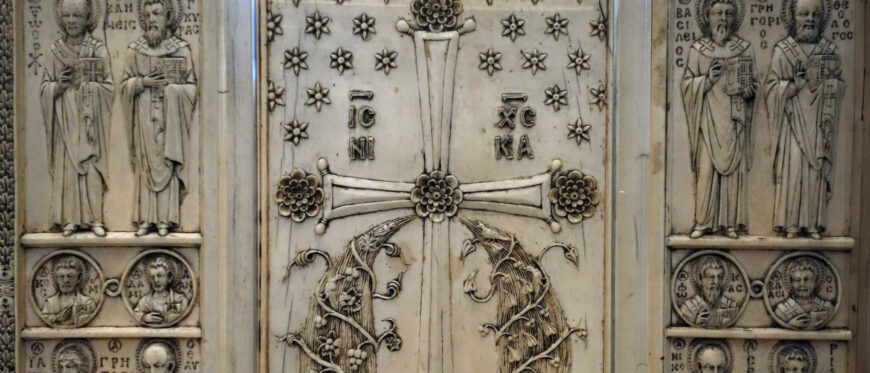
Middle Byzantine

c. 843–1204
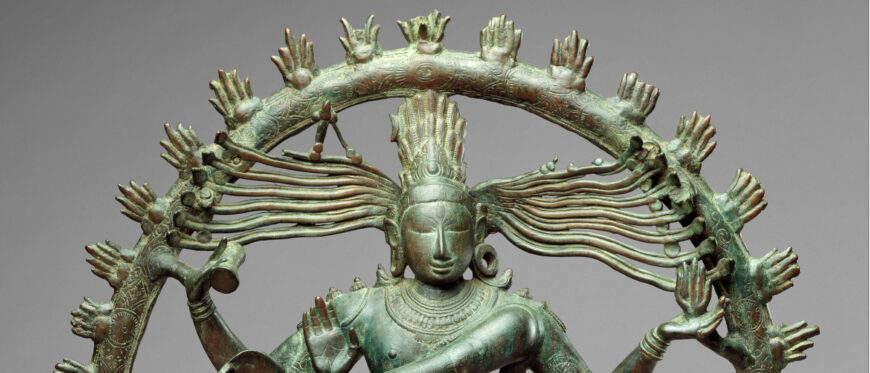
Chola Empire

c. 850–1279
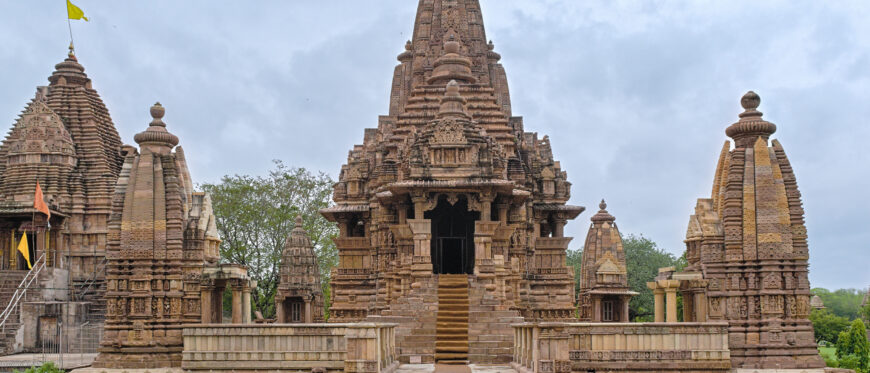
Chandella period

10th–13th century
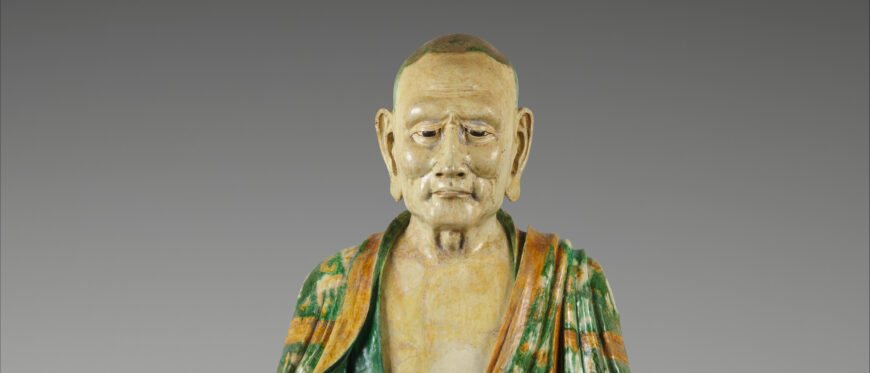
Liao dynasty

907–1125
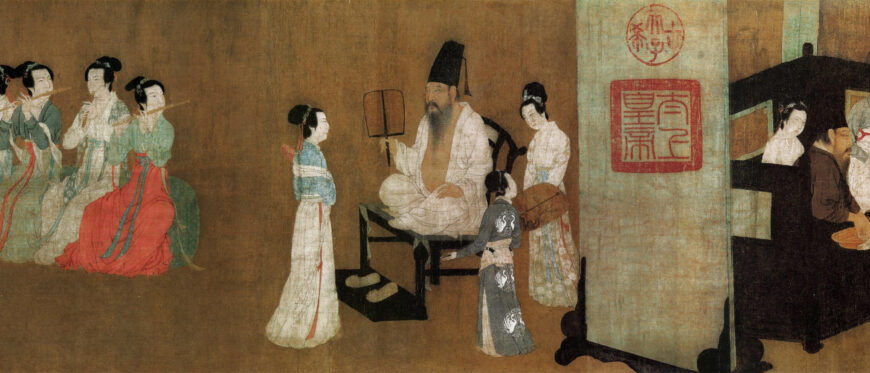
Five Dynasties period

907–979
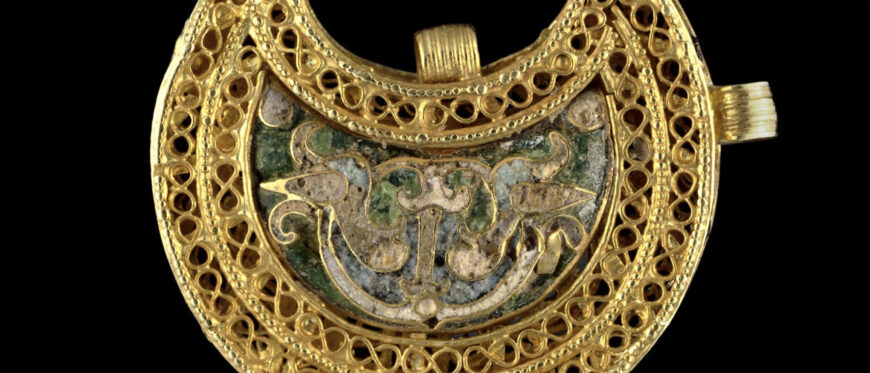
Fatimid

909–1171
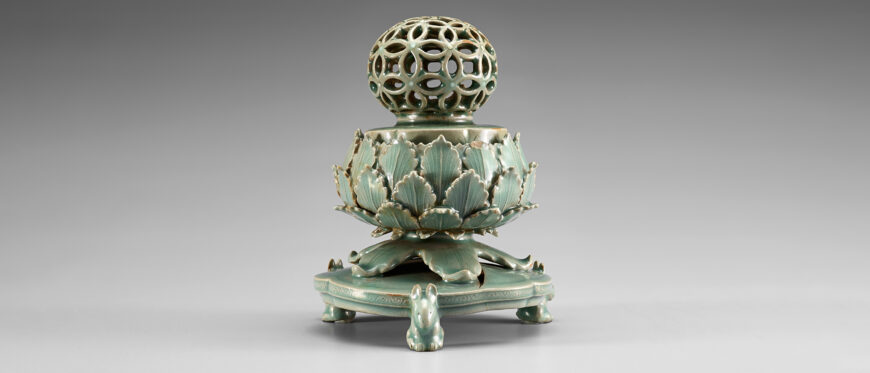
Goryeo dynasty

918–1392
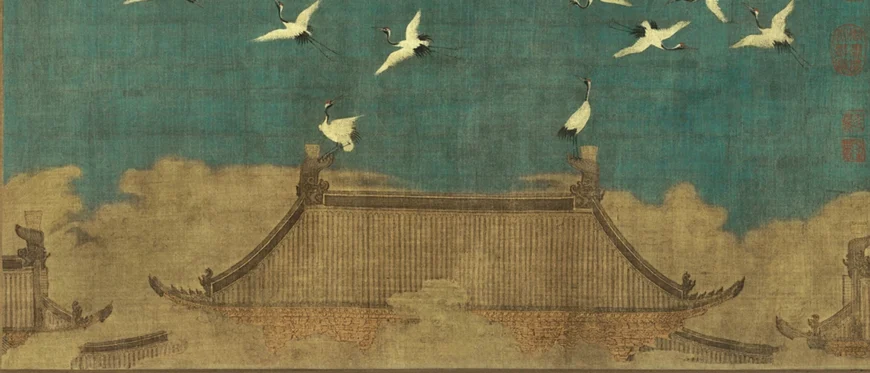
Song dynasty

960–1279
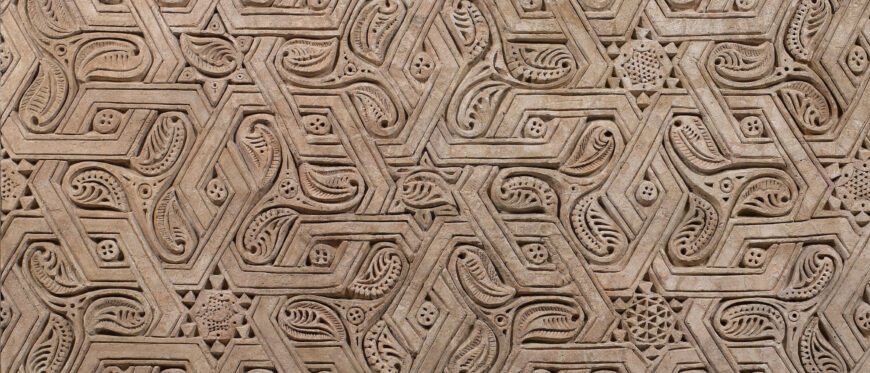
Ghaznavid

977–1186
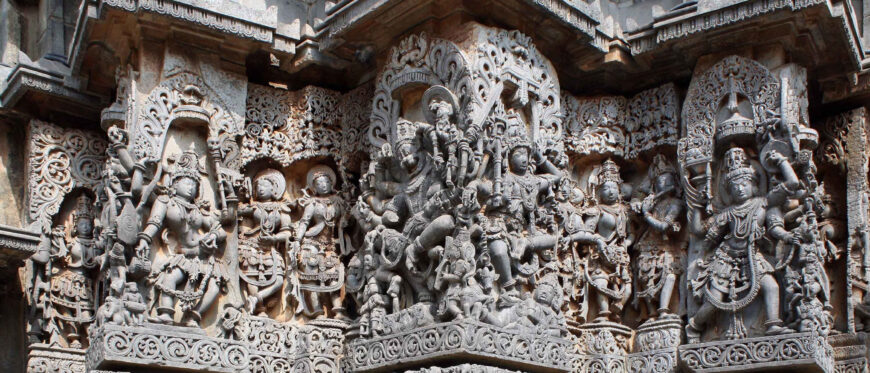
Hoysala dynasty

1000–1346
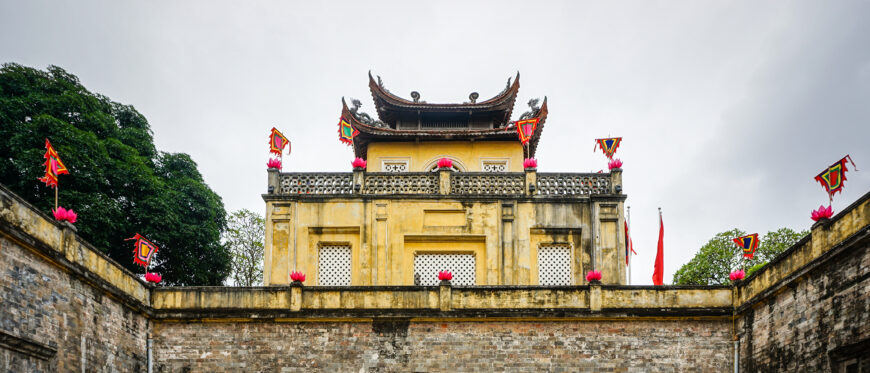
Lý dynasty

1009–1225
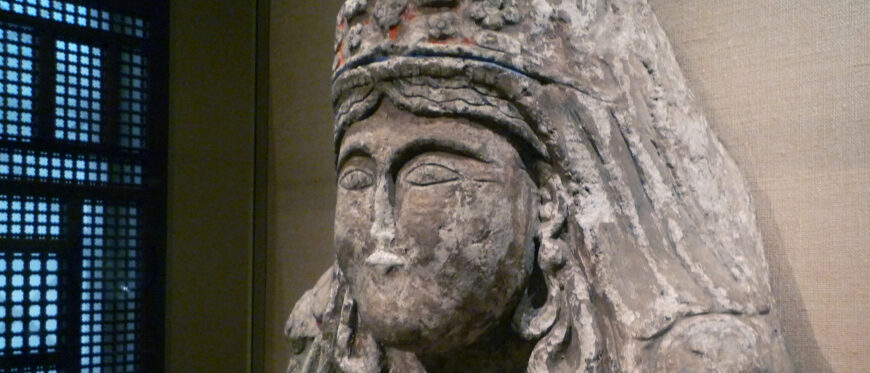
Seljuq

1040–1307
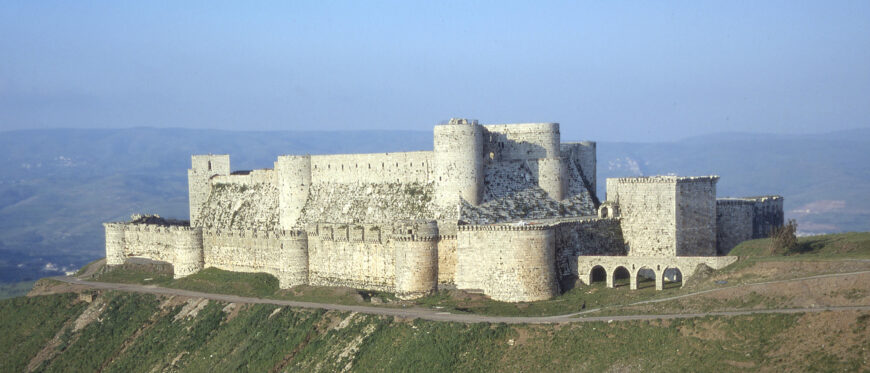
The Crusades

c. 1095–1291
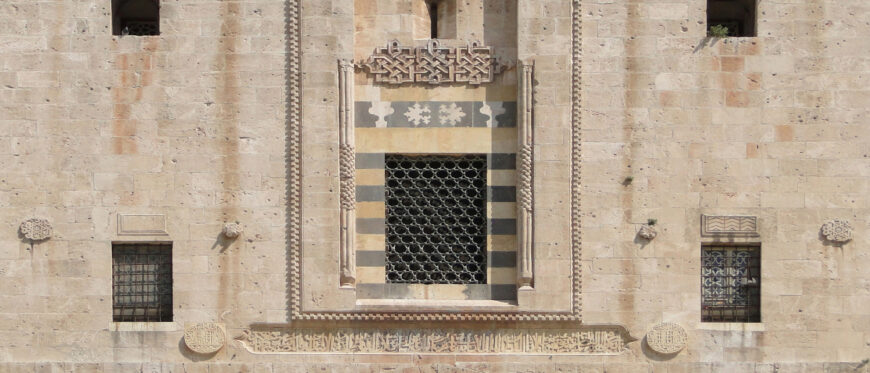
Ayyubid

1171–1260
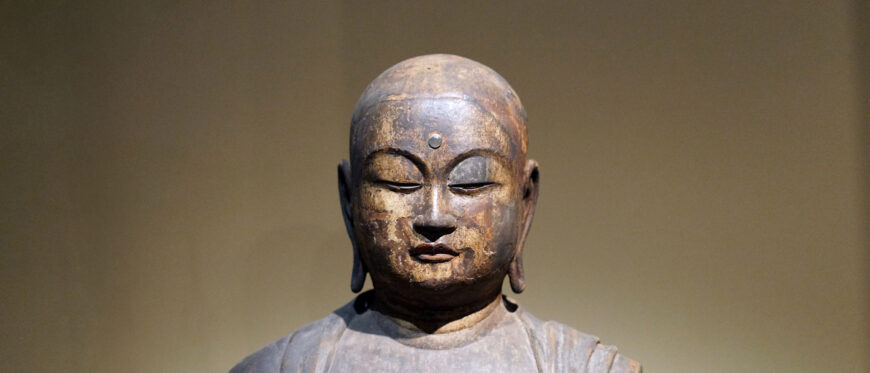
Kamakura period

1185–1333
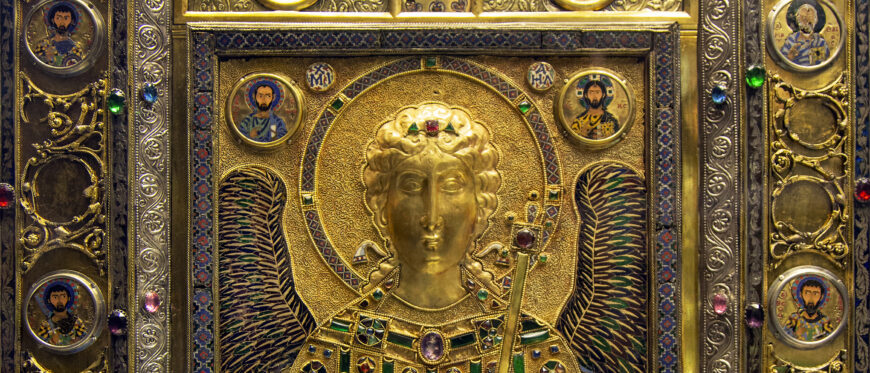
Fourth Crusade and the Latin Empire

c. 1204–61
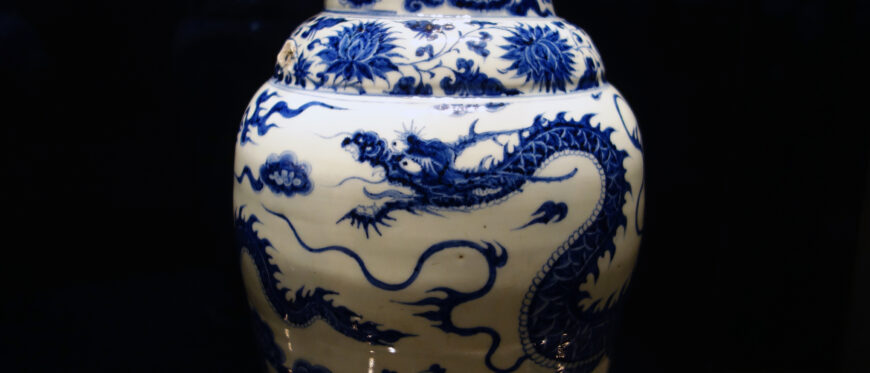
Mongol Empire

1206–1368
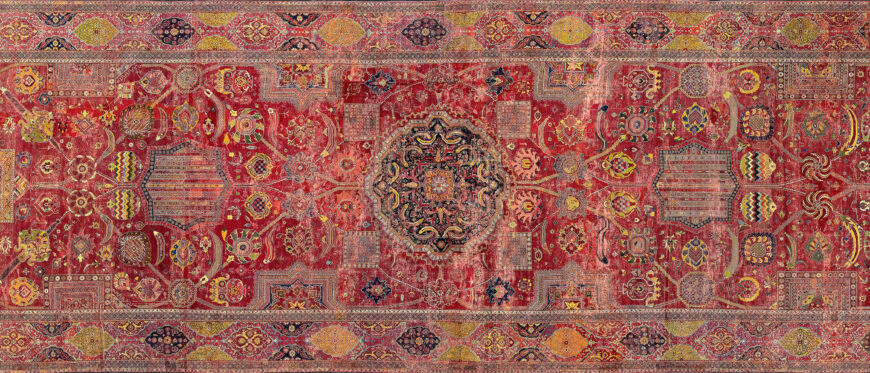
Delhi and Deccan Sultanates

13th–late 17th century
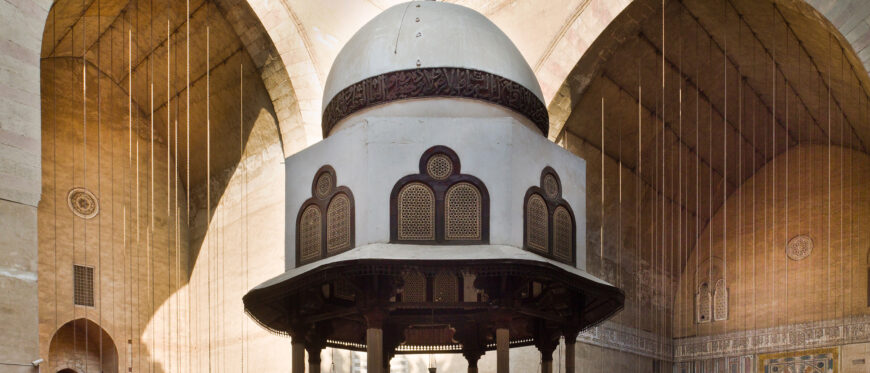
Mamluk Sultanate

1250–1517
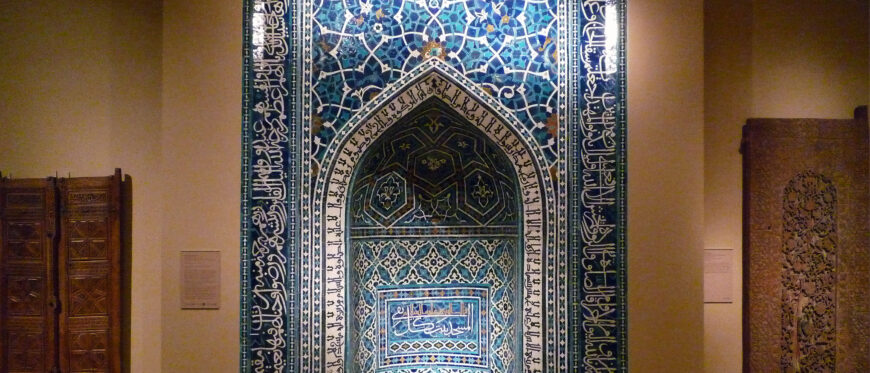
Ilkhanid

1258–1335
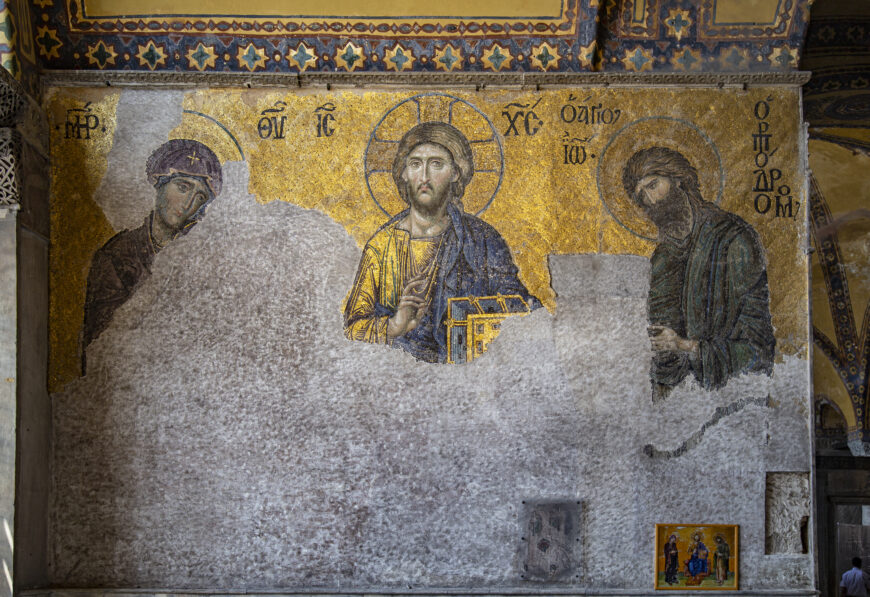
Late Byzantine

1261–1453
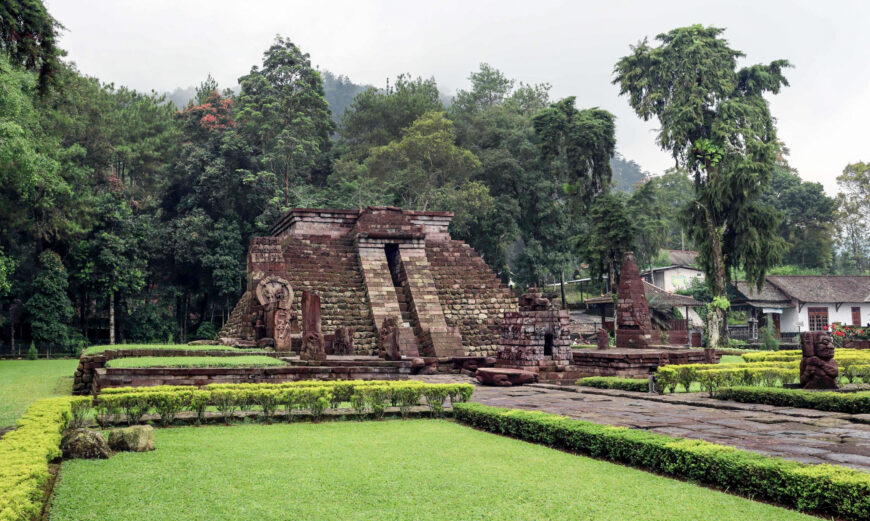
Majapahit Kingdom

c. late 13th–late 15th century
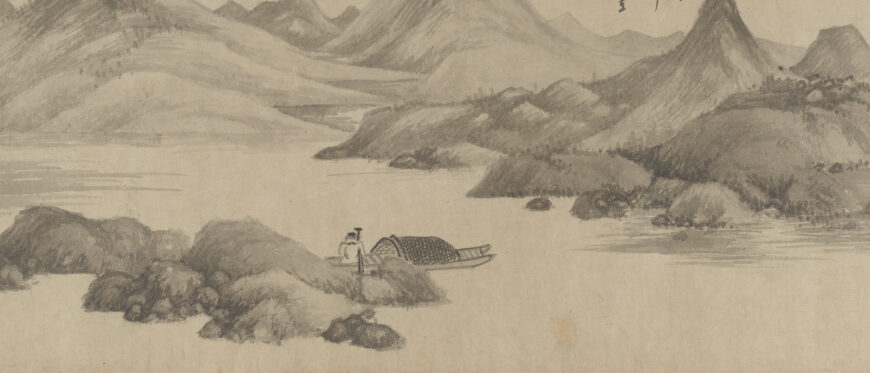
Yuan dynasty

1279–1368
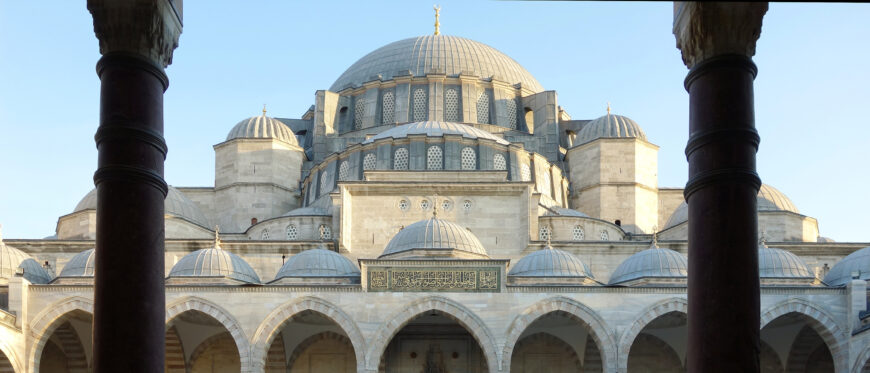
Ottoman

1298–1924
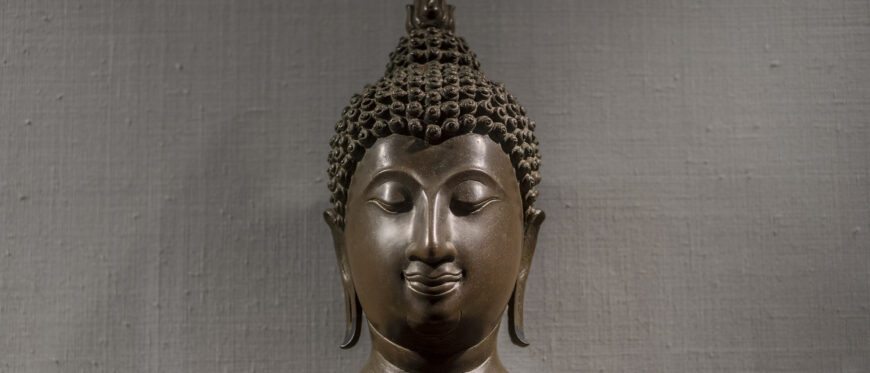
Sukhothai

14th–16th century
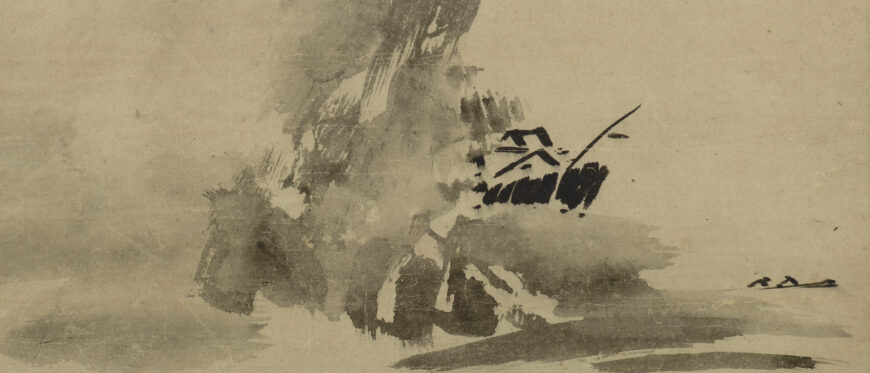
Nanbokuchō period

c. 1333/34–92
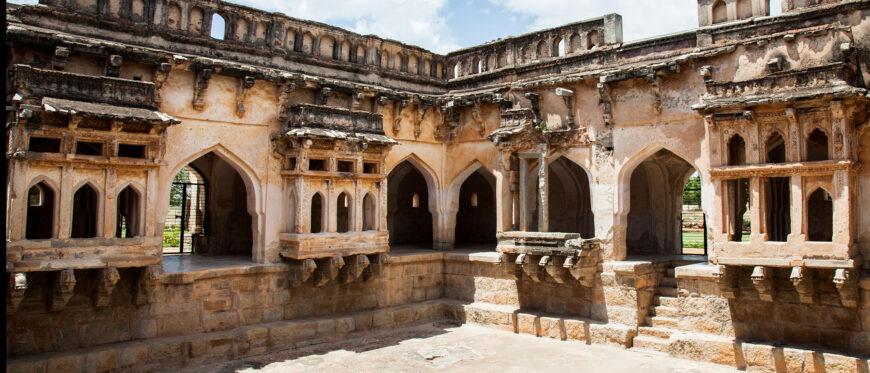
Vijayanagara empire

1336–1646
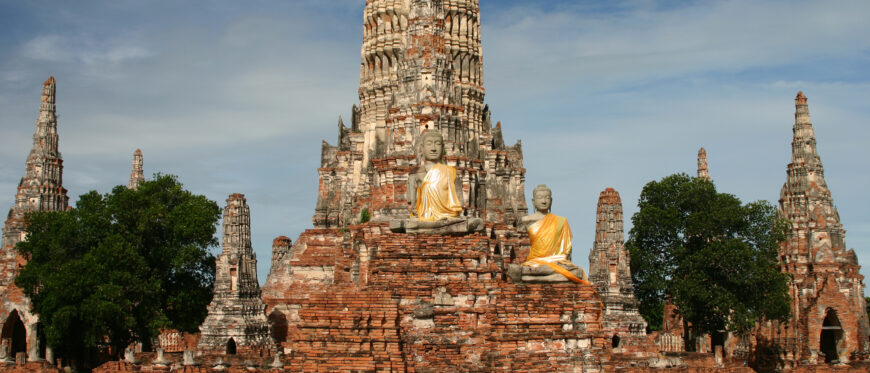
Ayutthayan period

1351–1767
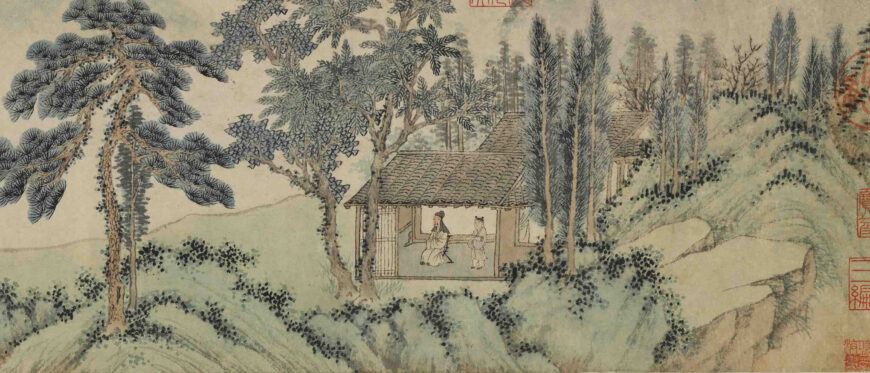
Ming dynasty

1368–1644
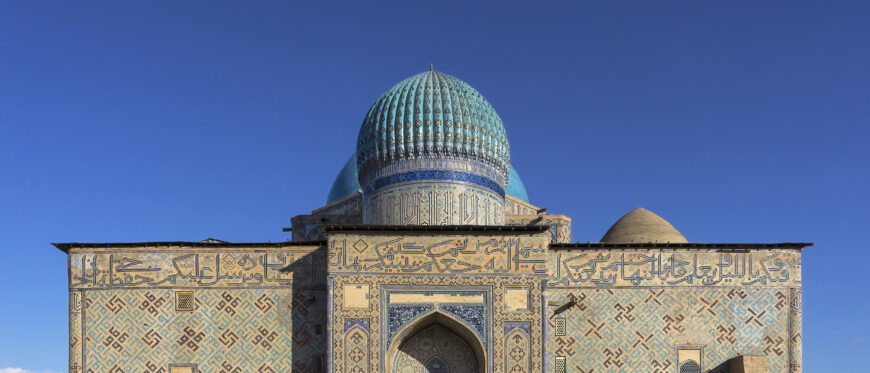
Timurid

1370–1506
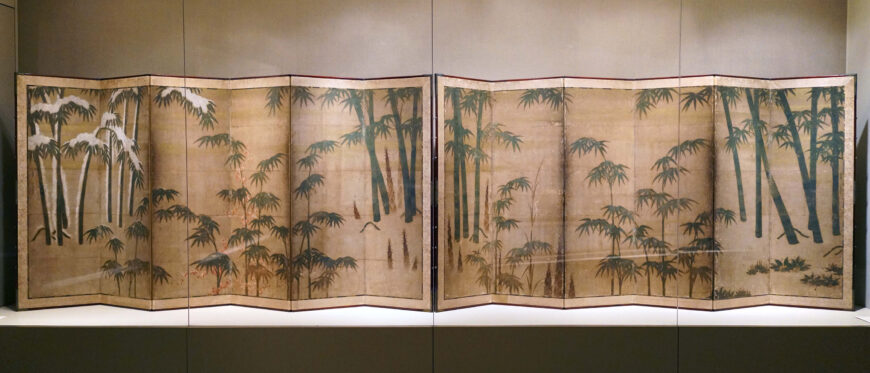
Muromachi period

1392–1573
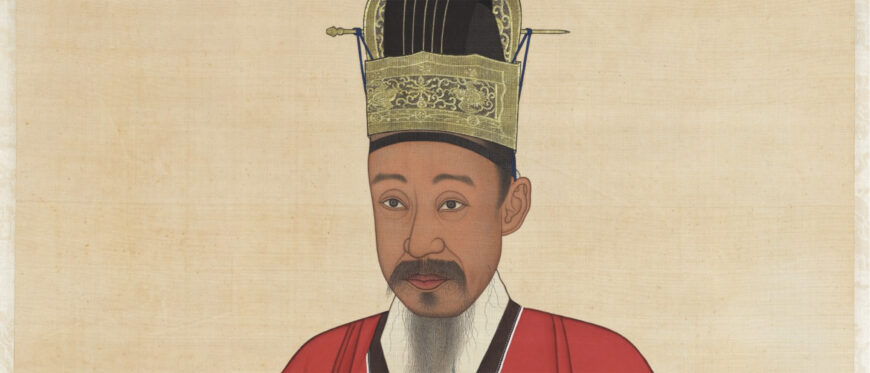
Joseon dynasty

1392–1897
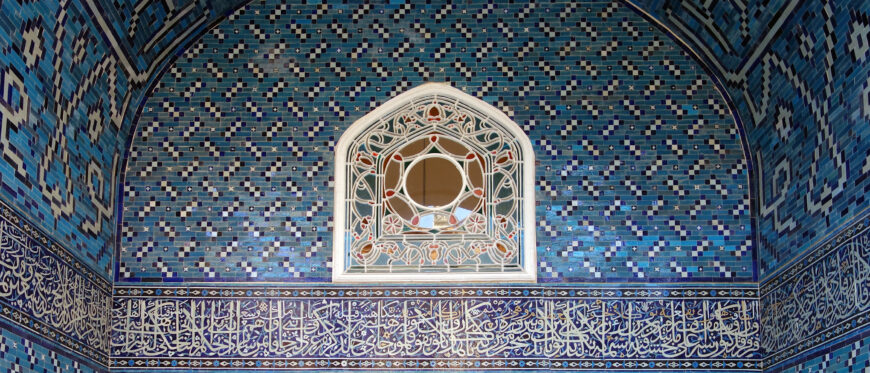
Iznik

c. 1400–1600
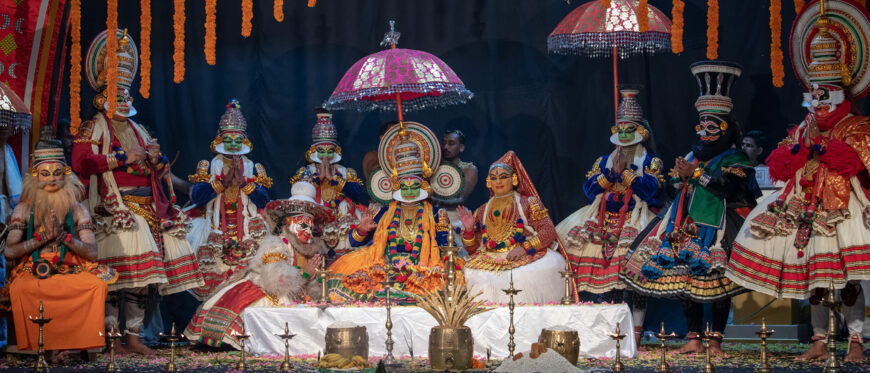
Malayali

15th century–today
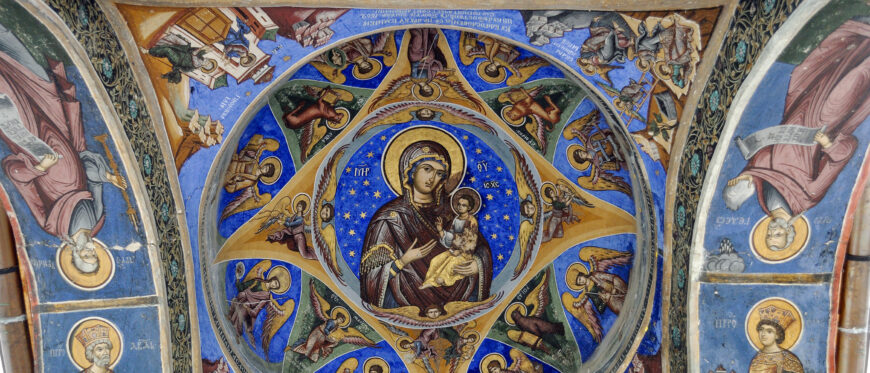
Post-Byzantine

1453 and after
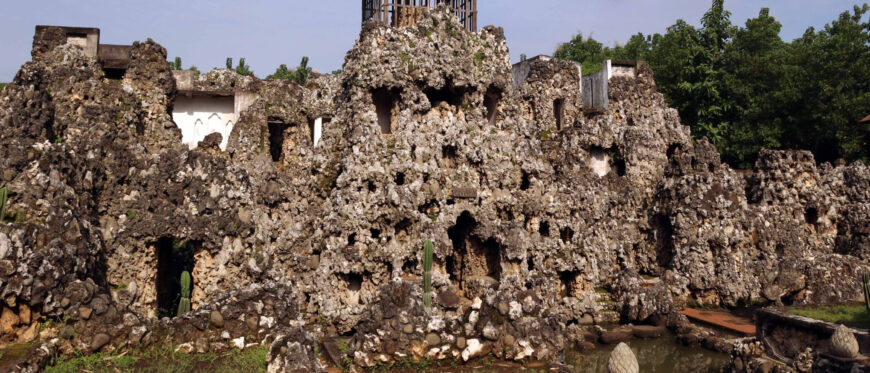
Cirebon Sultanate

c. 16th–17th century
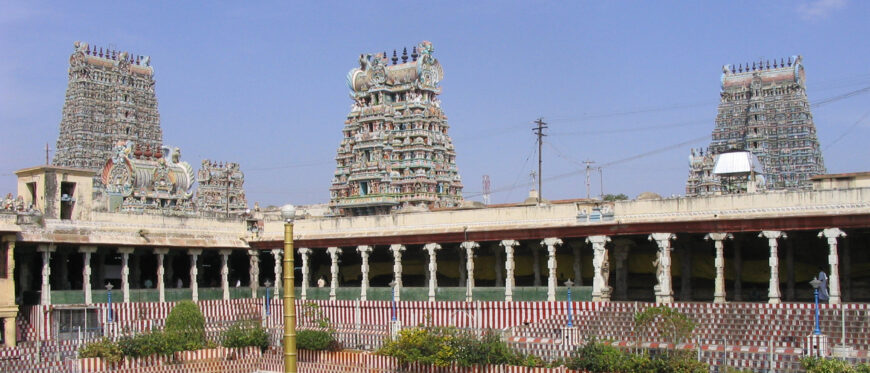
Nayak dynasty

16th–17th century
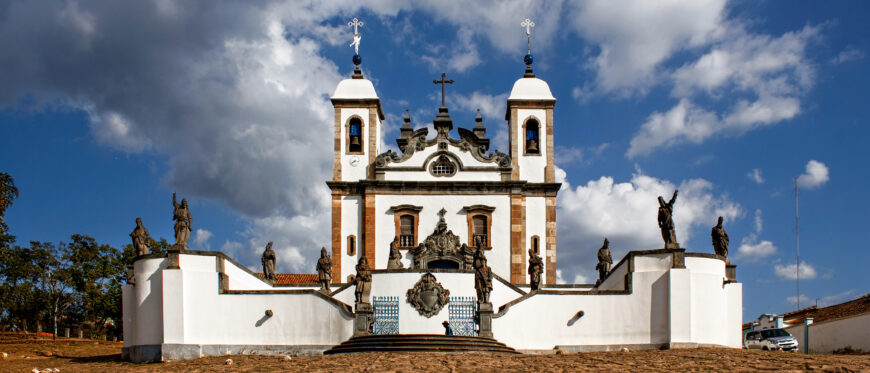
Portuguese Colonial

c. 16th–18th century
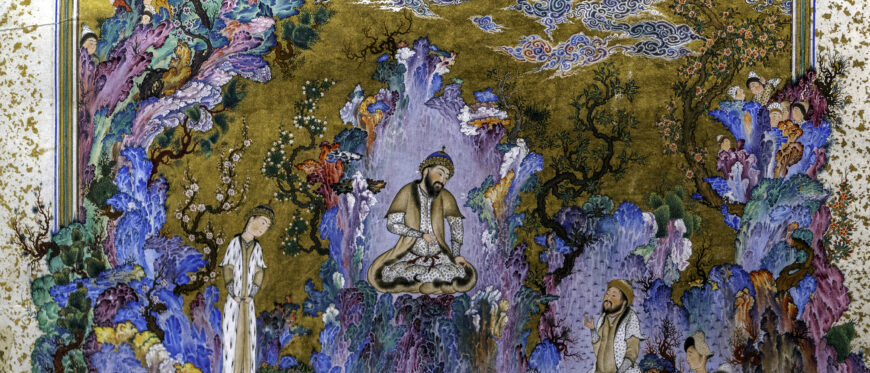
Safavid

1501–1736
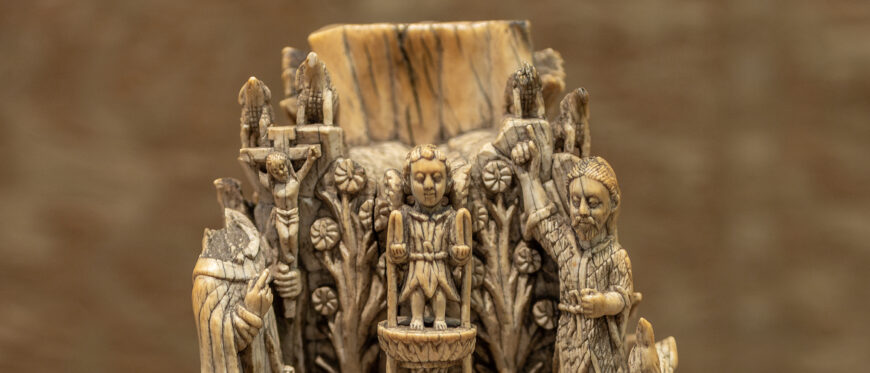
Indo-Portuguese

c. 1505–1961
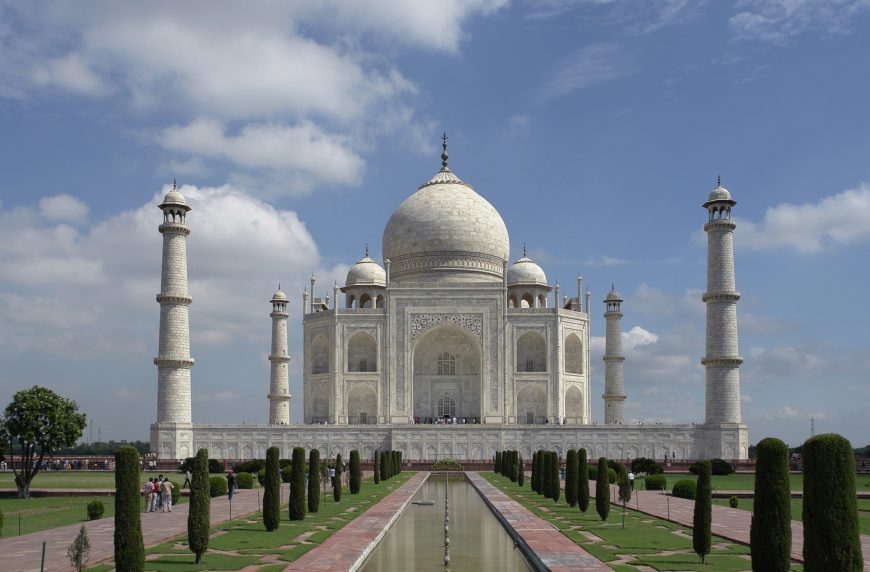
Mughal

1526–1858
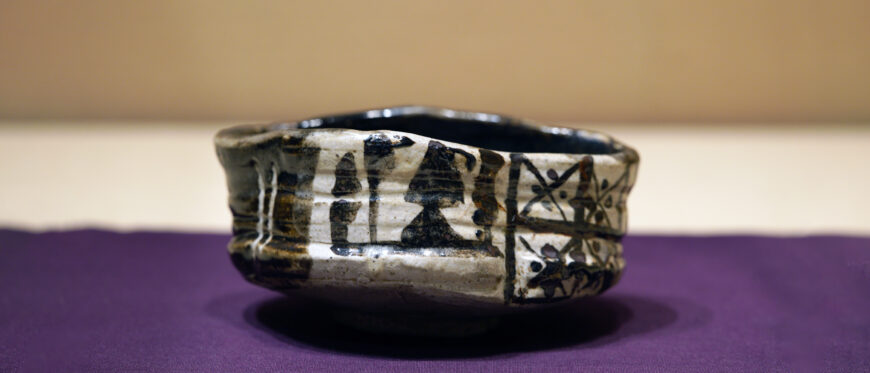
Azuchi-Momoyama period

1573–1615
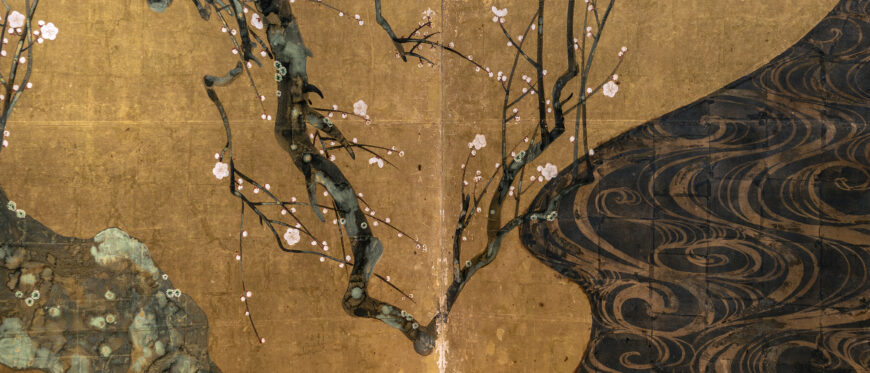
Rinpa

c. 1600–1750
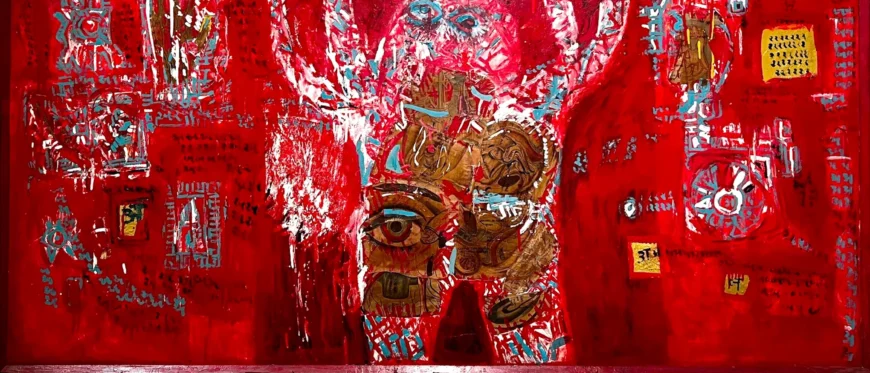
Pahari

c. 17th–early 19th century
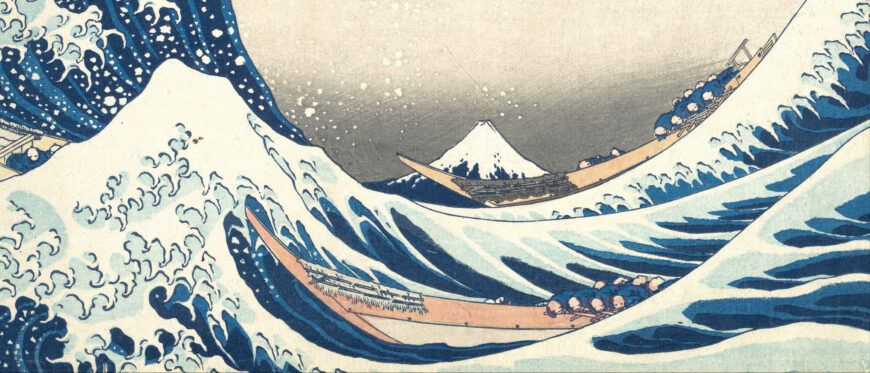
Edo period

1615–1868
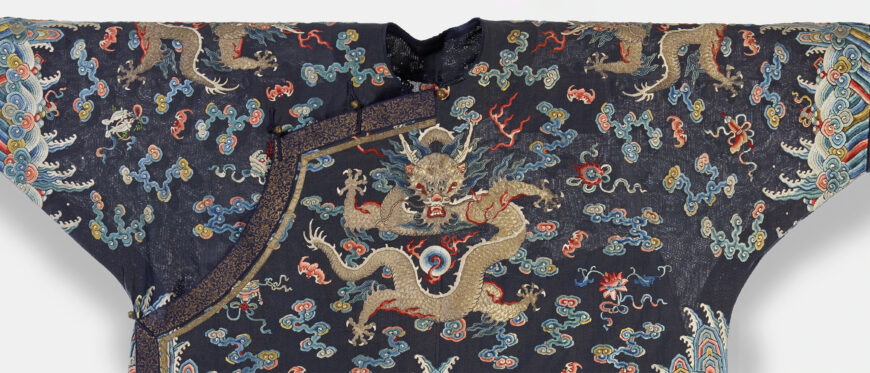
Qing dynasty

1644–1911
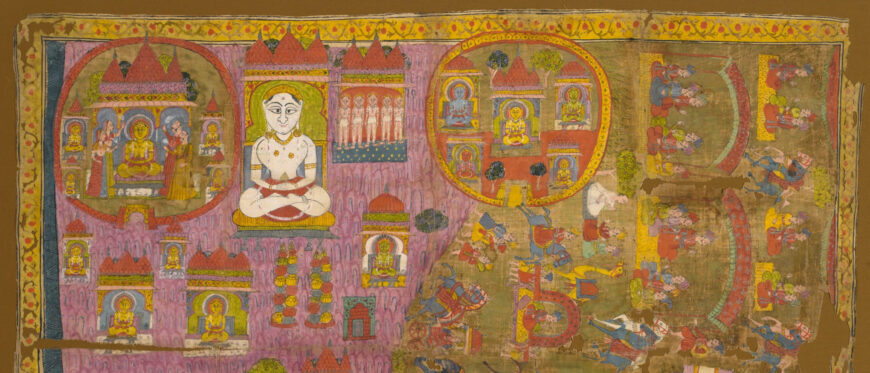
Maratha Empire

1674–1818
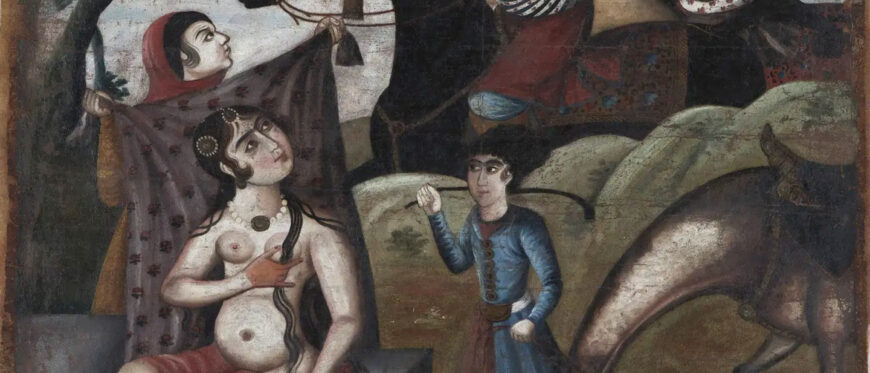
Zand dynasty

1751–94
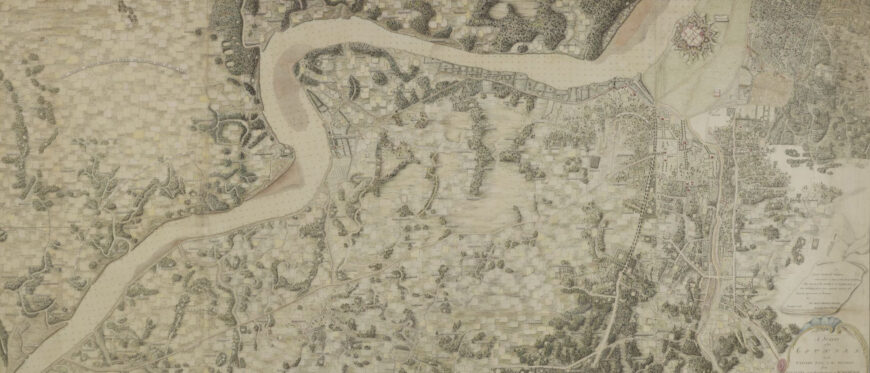
Colonial South Asia

c. 1757–1947
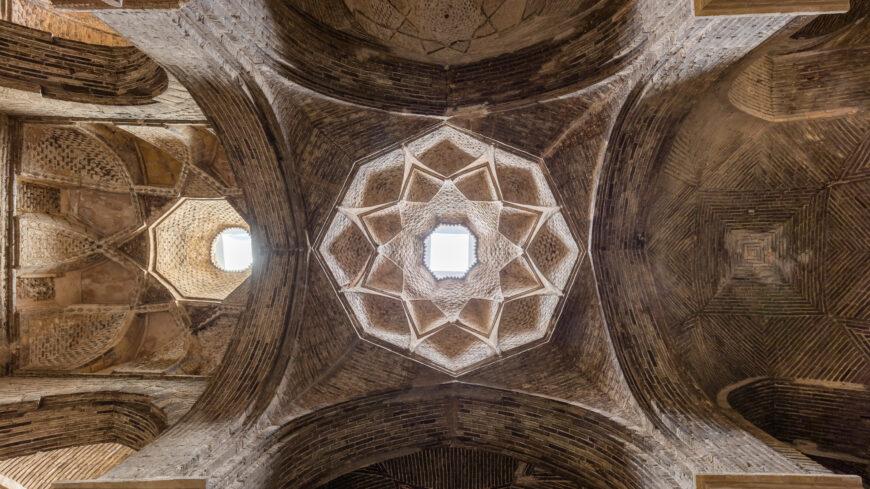
Qajar

1779–1909
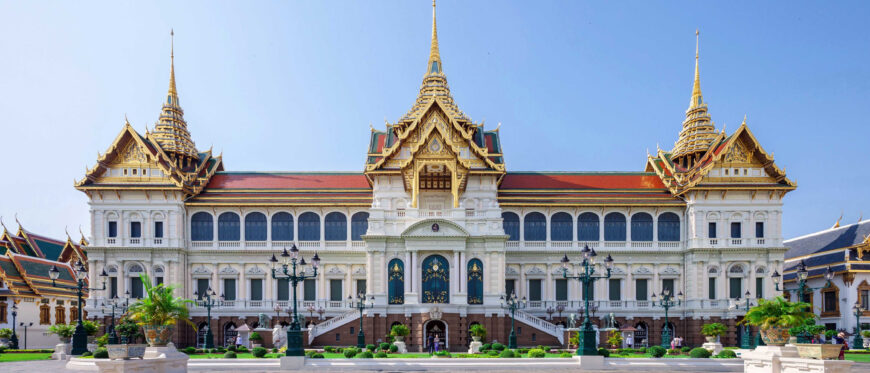
Chakri dynasty

1782–today
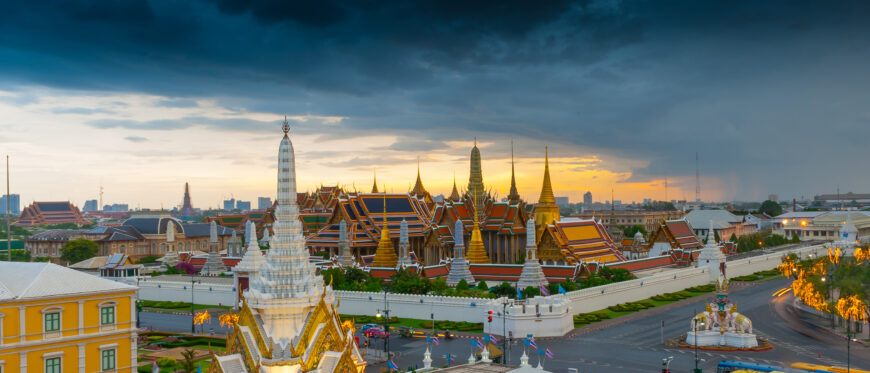
Rattanakosin Kingdom

1782–1932
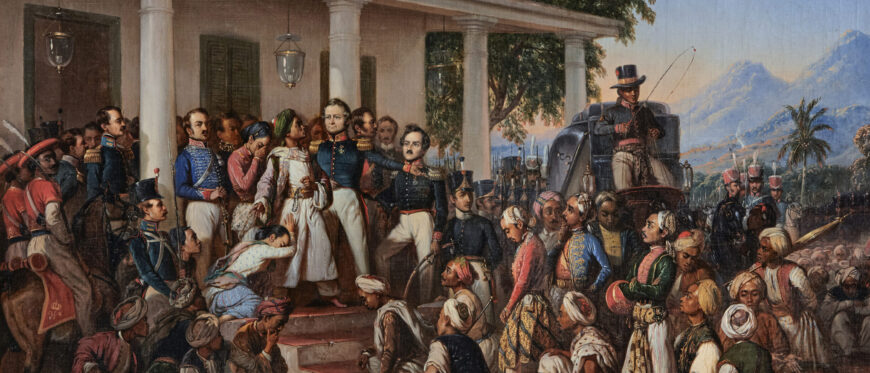
Dutch East Indian

1800–1949
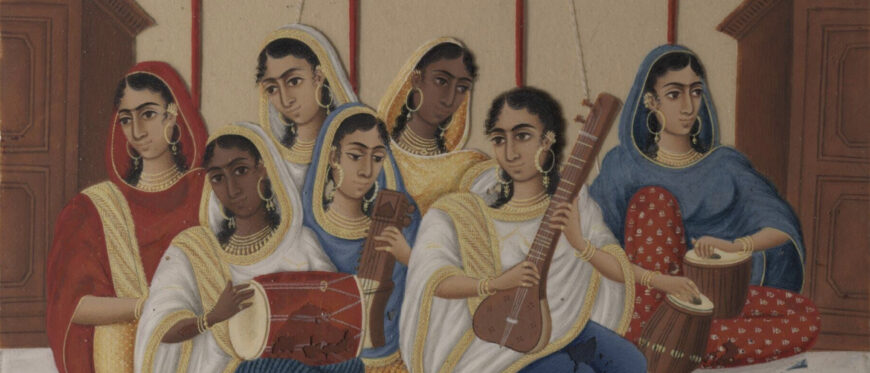
British Raj

1857–1947
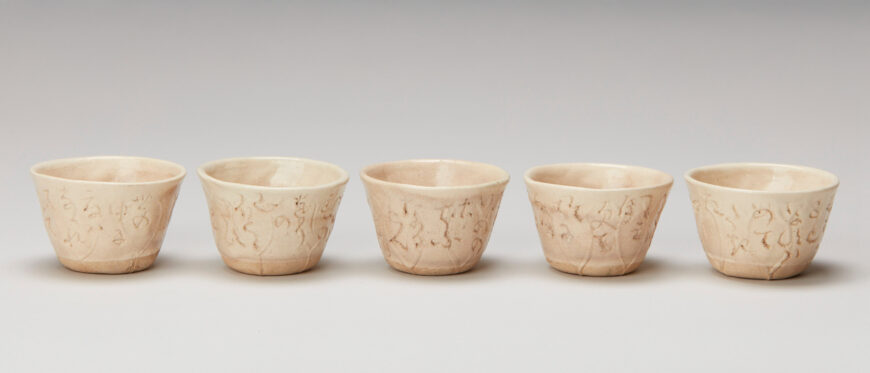
Meiji period

1868–1912
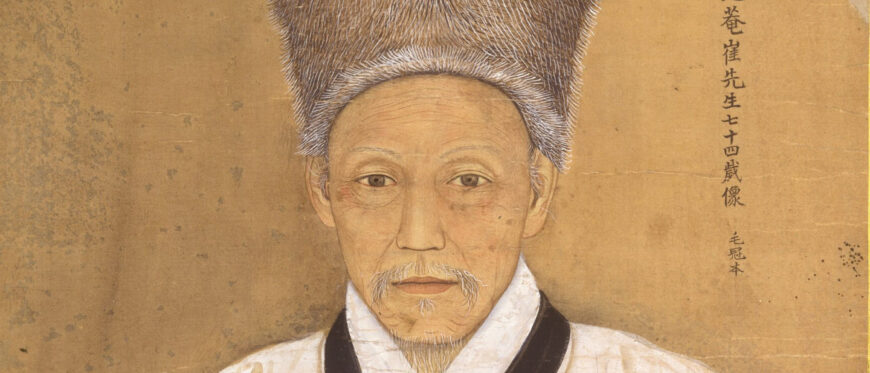
Korean Empire

1897–1910
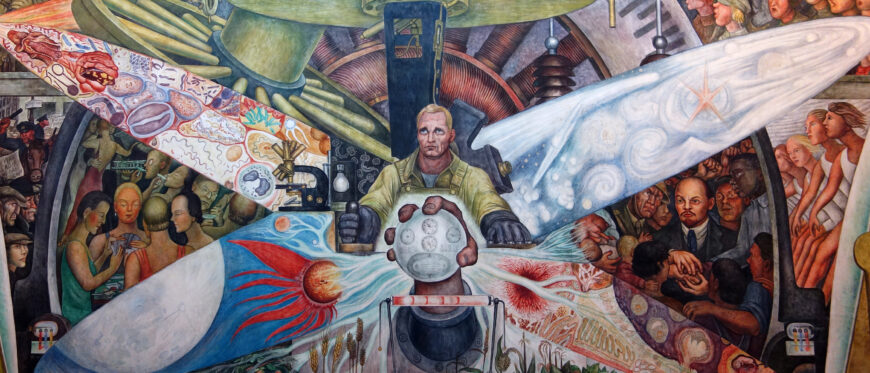
Modernisms

c. 1900–1980
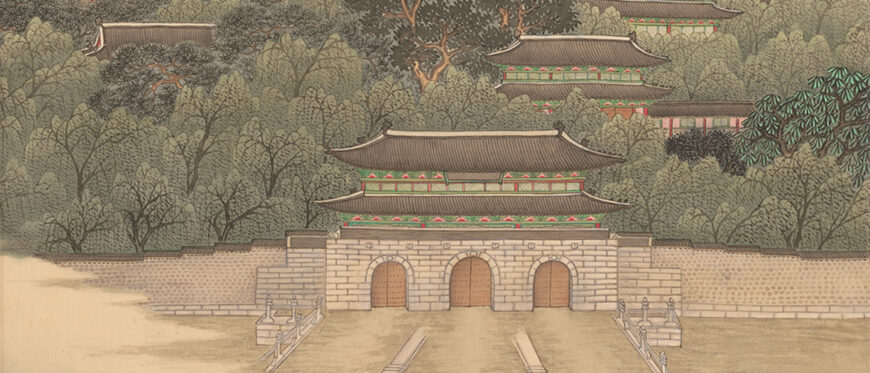
Japanese colonial period

1910–45
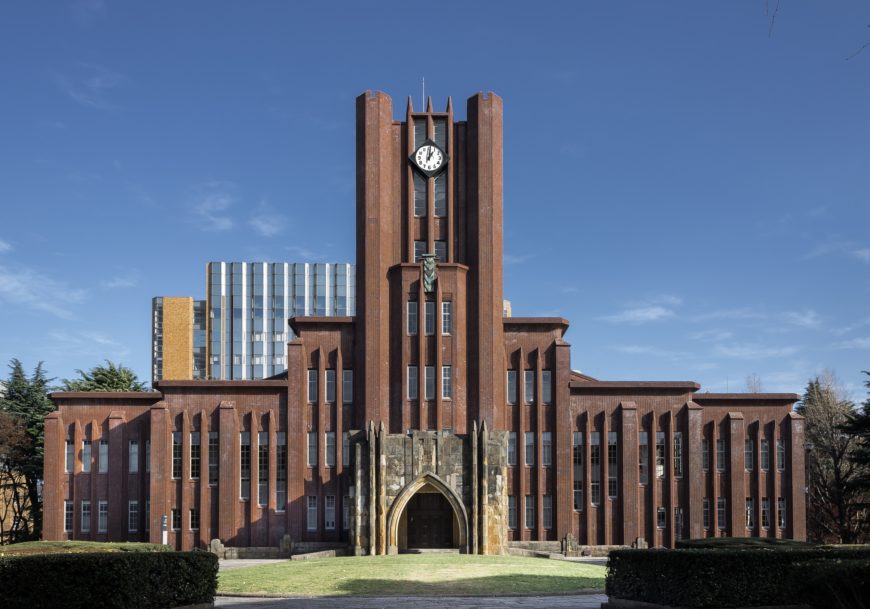
Taishō period

1912–26
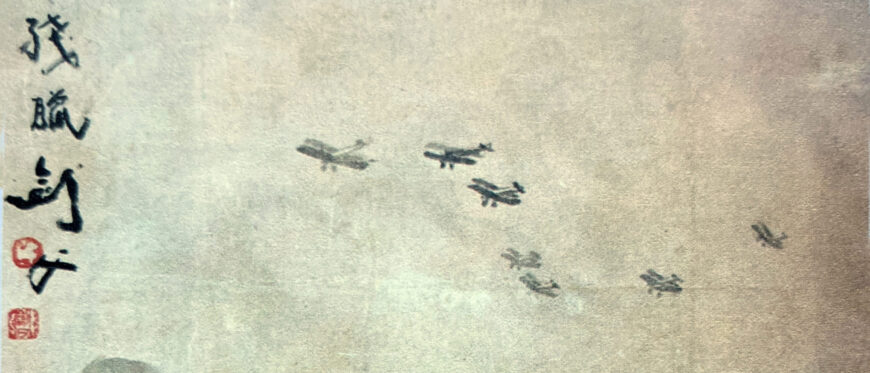
Republic of China period

1912–49
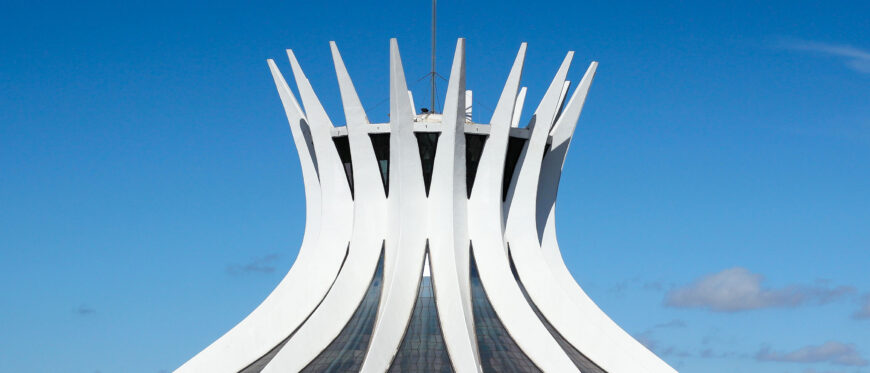
International Style

c. 1920–1980
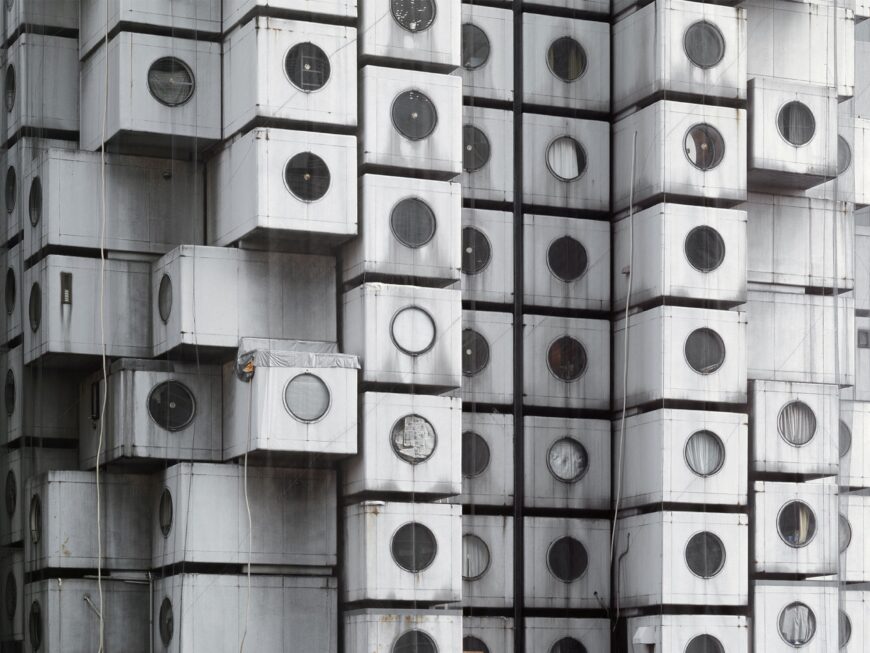
Shōwa period

1926–89
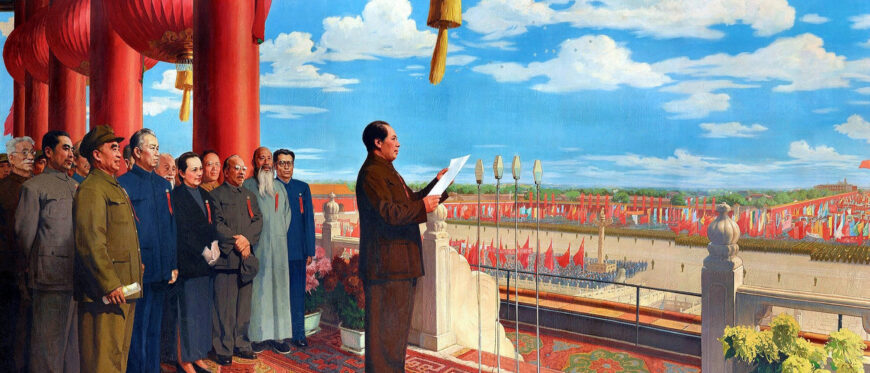
Socialist Realism

1934–91
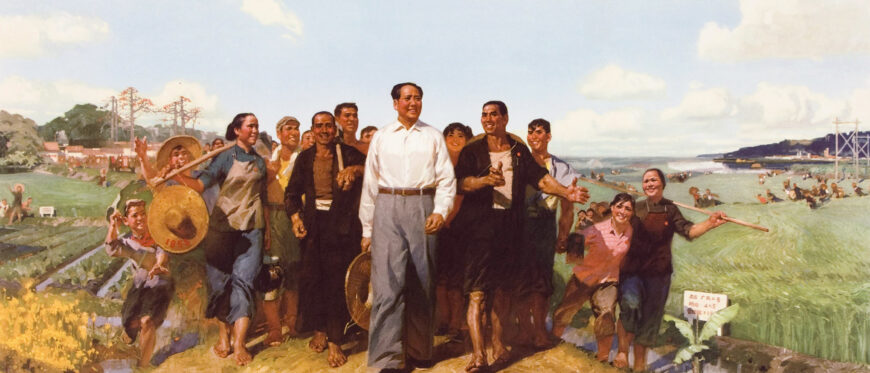
Mao era

1949–66
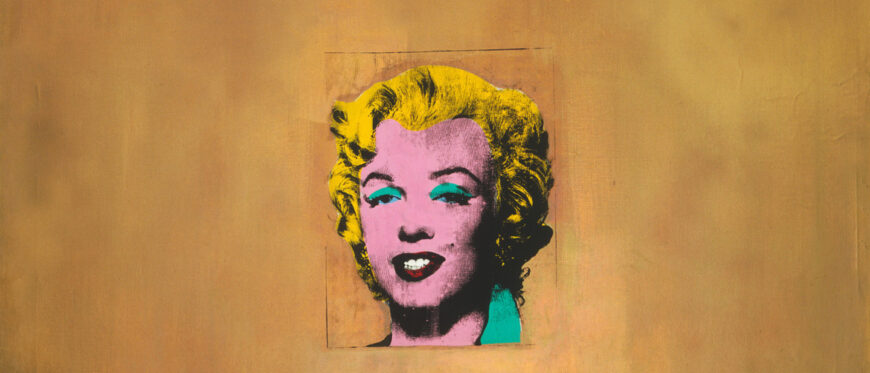
Pop Art

c. 1956–75 and after
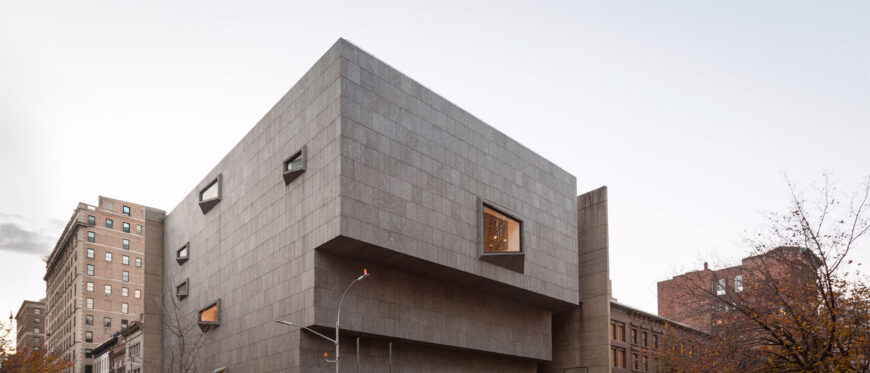
Brutalist

1960s–70s
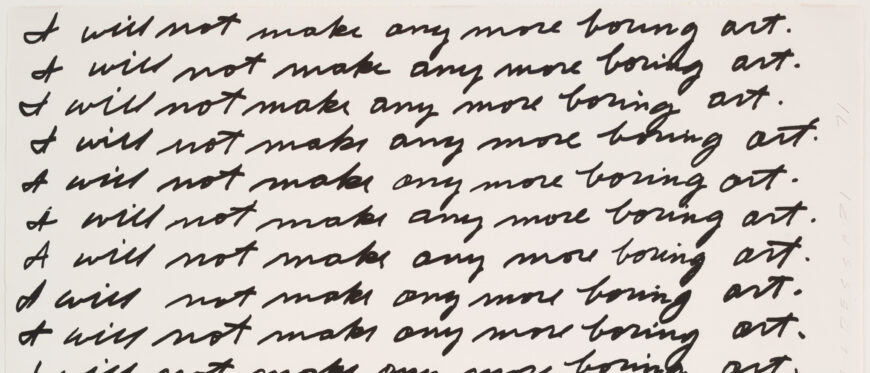
Conceptual art

c. 1960–70 and after
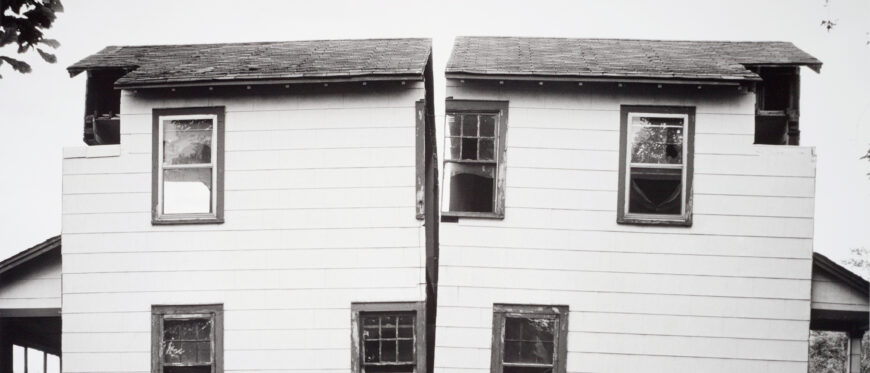
Late Modernism/Postmodernism

1962–today
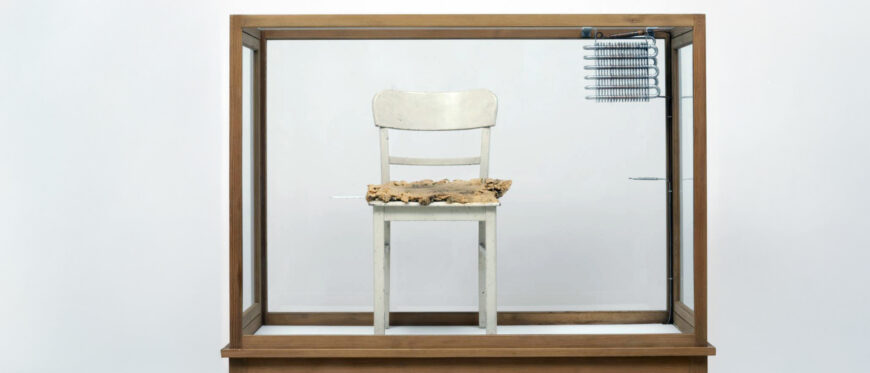
Fluxus

1962–79
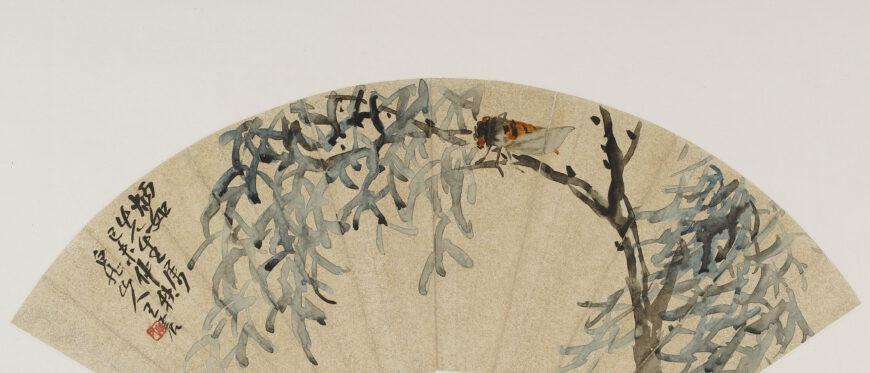
Cultural Revolution period

1966–76
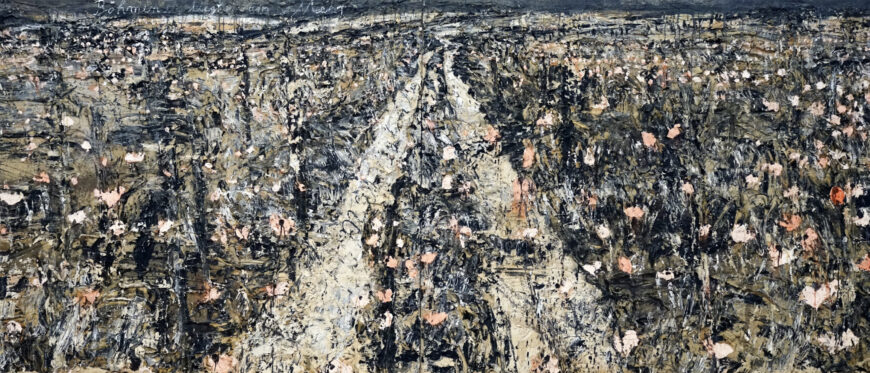
Contemporary

1980–today
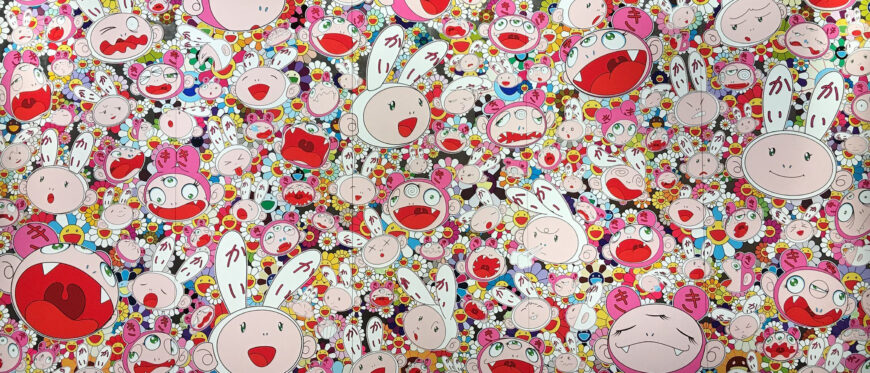
Heisei period

1989–2019
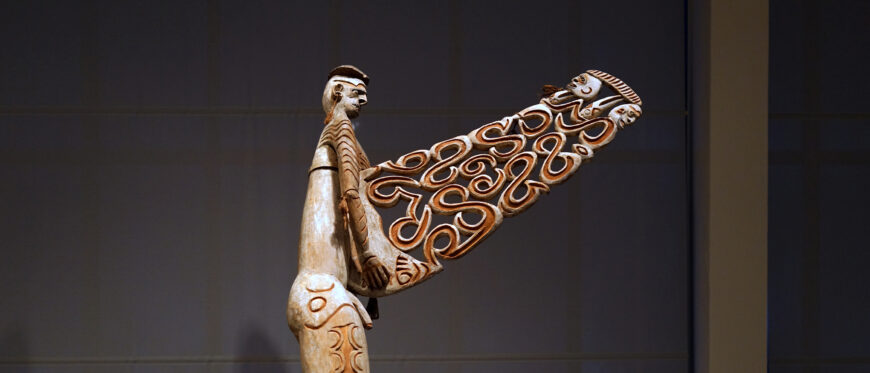
Asmat

prehistoric–today

arrow graphic pointing to the right
Search and See All (159)right arrow icon

Curated Guides to Asia

All Textbook Chapters Syllabi Thematic Series

Textbook Chapter

Rethinking approaches to the art of the Ancient Near East until c. 600 B.C.E.

Textbook Chapter

Death and material culture in early China

Textbook Chapter

The Roman empire in a connected world, 27 B.C.E.–330 C.E.

Textbook Chapter

Buddhism in Chinese Art (2nd century through 907 C.E.)

Textbook Chapter

Building new Romes: The Eastern Romans, Umayyads, and Carolingians

Textbook Chapter

Framing Islamic art

Textbook Chapter

Islamic art c. 900–1400

Textbook Chapter

The Silk Roads

Textbook Chapter

Continuity and innovation: early Islamic art and architecture of the Umayyads and Abbasids

Textbook Chapter

Art in the Five Dynasties and Ten Kingdoms Period and Song dynasty China

Textbook Chapter

Art under the Mongols in Yuan dynasty China

Textbook Chapter

Byzantine architecture and monumental art after iconoclasm

Textbook Chapter

Material culture of the Crusades

Textbook Chapter

Medieval materiality across the Mediterranean, 900–1500

Textbook Chapter

Cultural exchange and syncretism in the arts of South Asia since 1200

Textbook Chapter

Portuguese contacts and exchanges, c. 1400–1800

Textbook Chapter

Art in Ming dynasty China

Textbook Chapter

The four seasons in the arts of Japan

Textbook Chapter

Secular matters of the global baroque

Textbook Chapter

Art of the Qing dynasty

Textbook Chapter

Popular, transient, expendable: print culture and propaganda in the 20th century

Textbook Chapter

The potentials of modern Chinese art in the Republic of China (1912–49)

Textbook Chapter

Itinerant modernisms: cosmopolitans, exiles, travelers since 1950

Textbook Chapter

Portraiture in the premodern world, 700–1400

Syllabus

World Art History Syllabus

Syllabus

Prehistory to the Middle Ages: the Mediterranean Syllabus

Syllabus

Art of the Early Modern Period Syllabus (c. 1400–1800)

Syllabus

Medieval and Byzantine Art and Architecture Syllabus

Syllabus

Global Contemporary Art Syllabus

Syllabus

AP®︎ Art History

Thematic Series

Islamic Art and Architecture

Syllabus

Islamic Art and Architecture Syllabus

Thematic Series

ARCHES (At-Risk Cultural Heritage Series)

Explore other continents

South America

North America

Oceania

Europe

Africa

Your donations help make art history free and accessible to everyone!

Donate Arrow pointing to the right
Smarthistory Logo

Smarthistory® believes art has the power to transform lives and to build understanding across cultures. The brilliant histories of art belong to everyone, no matter their background. Smarthistory’s free, award-winning digital content unlocks the expertise of hundreds of leading scholars, making the history of art accessible and engaging to more people, in more places, than any other publisher.

  • About Smarthistory
  • Smarthistory's blog
  • Contribute an essay
  • Content editors and contributors
  • Contact Us
  • Donate

Download free images

Subscribe to our channel

Connect with us

Connect with us

Subscribe to our newsletter

© 2026 Smarthistory
creative commons cc icon creative commons cc icon creative commons cc icon creative commons cc icon