Africa
Africa
Basics to get you started
Africa historical overview: to 1600

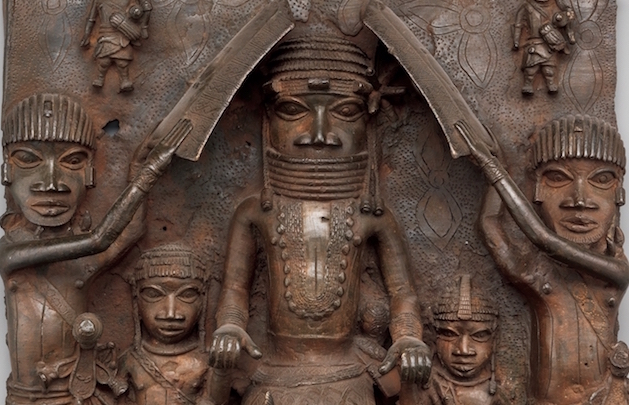
Africa historical overview: from the 1600s to the present
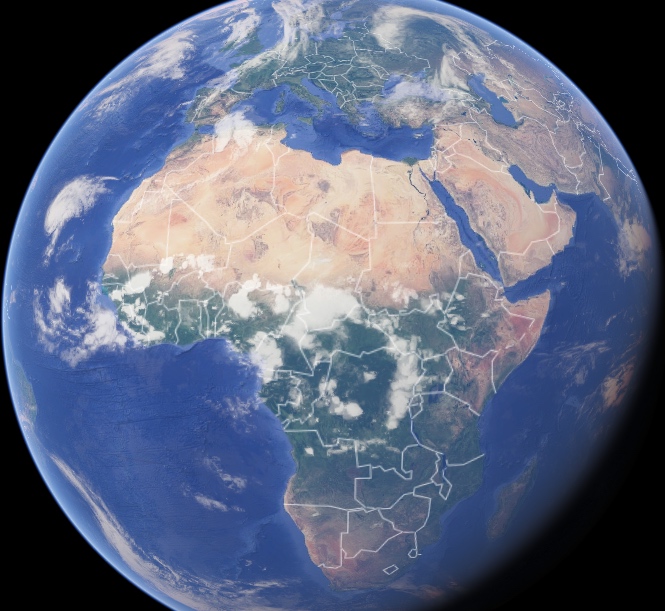
Peoples and cultures of Africa
Form and meaning in African art
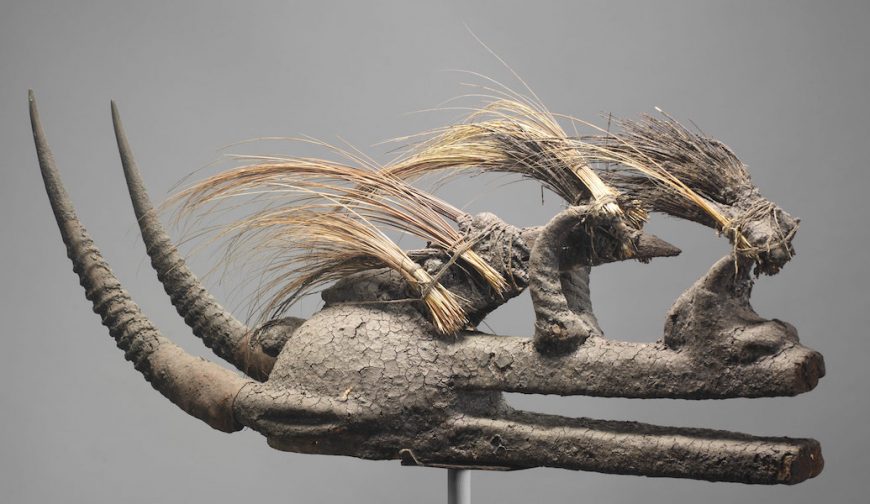
Aesthetics and African art

African religion and the spiritual realm
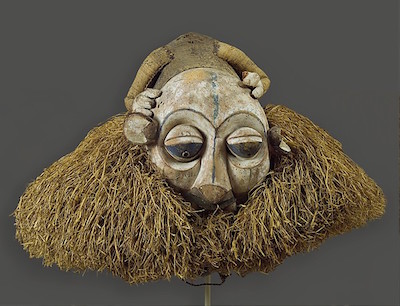
Rites of passage in Africa

African art and the individual
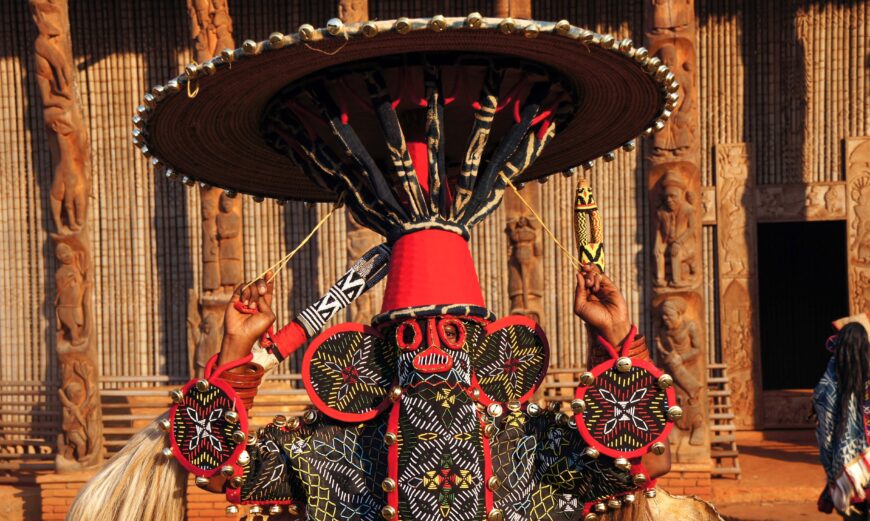
Masquerade basics
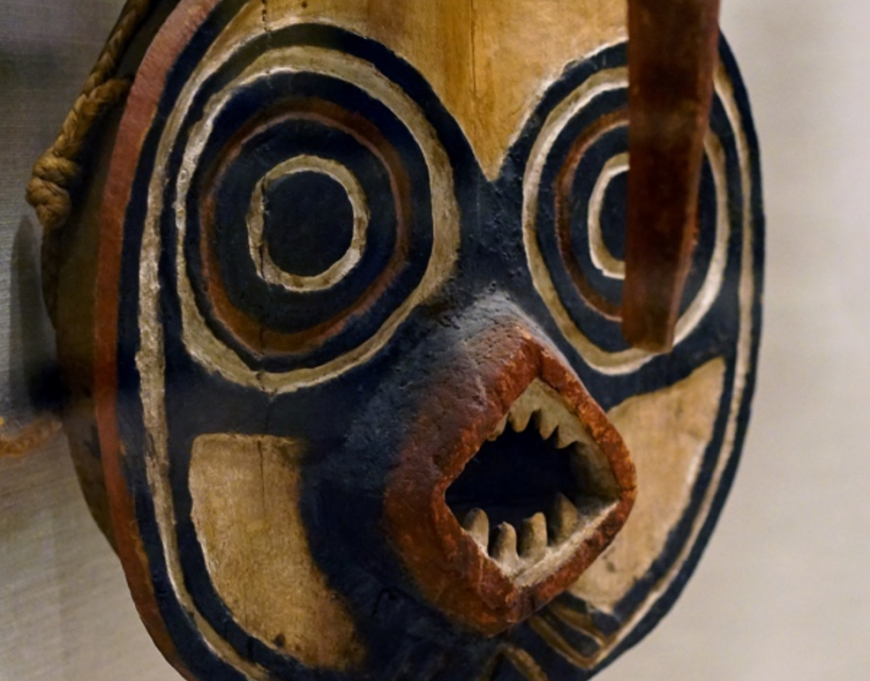
The reception of African art in the West
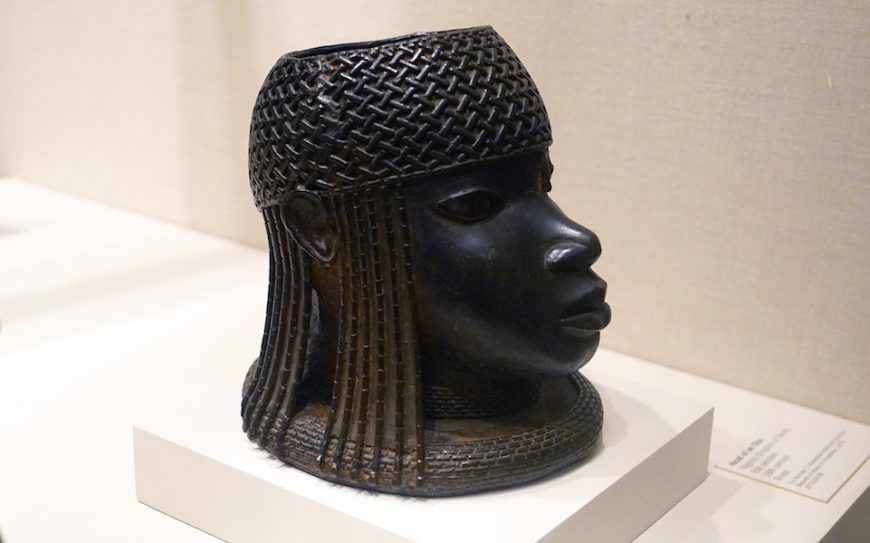
African art and politics
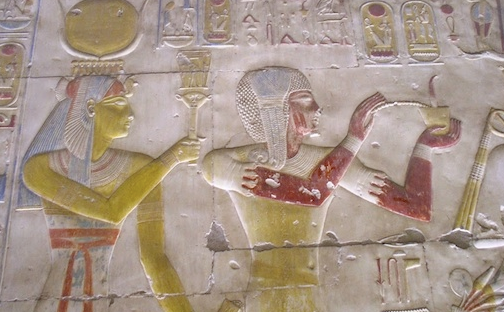
Materials and techniques in ancient Egyptian art
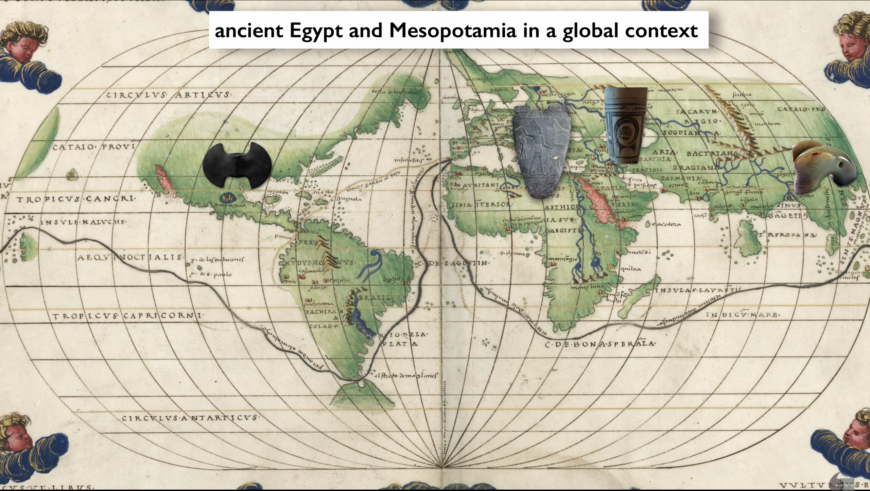
Tiny timeline: ancient Egypt and Mesopotamia in a global context, 5th–3rd millennia B.C.E.

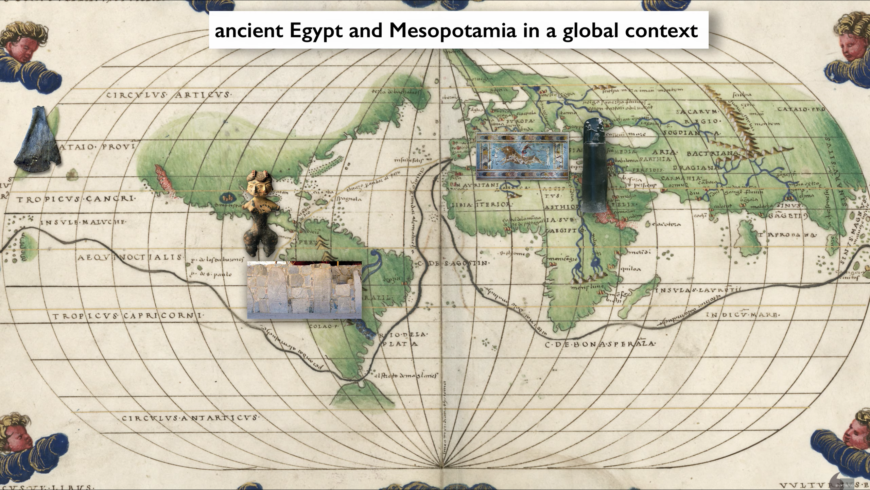
Tiny timeline: ancient Egypt and Mesopotamia in a global context, 2nd–1st millennia B.C.E.

King Piye and the Kushite control of Egypt
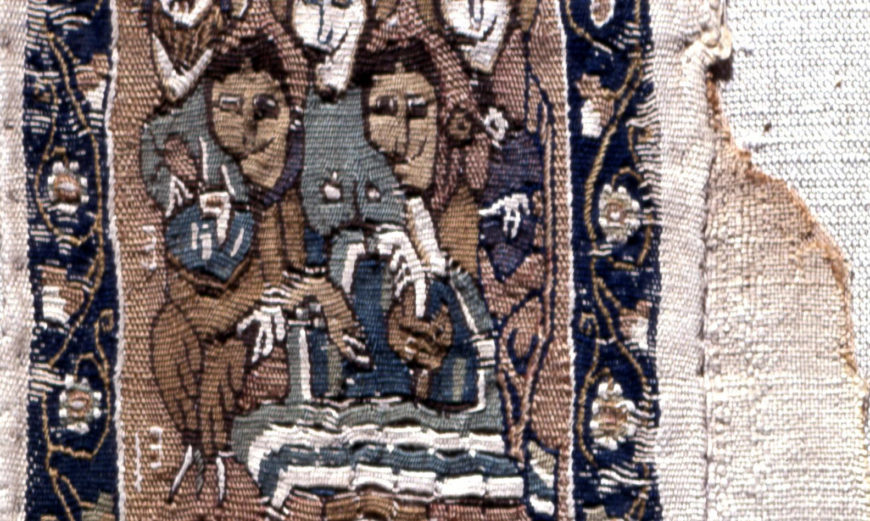
Byzantine Egypt and the Coptic period, an introduction
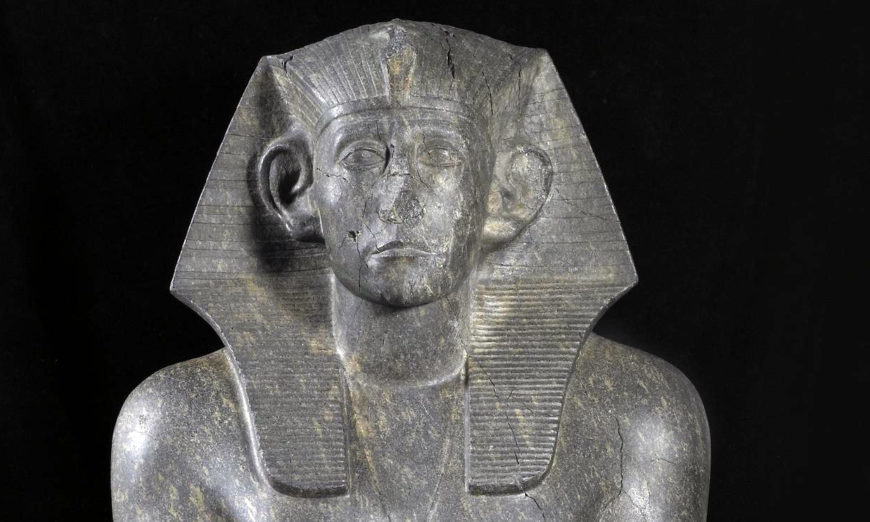
Middle Kingdom and Second Intermediate Period, an introduction
Late Period and the Ptolemaic and Roman Periods, an introduction
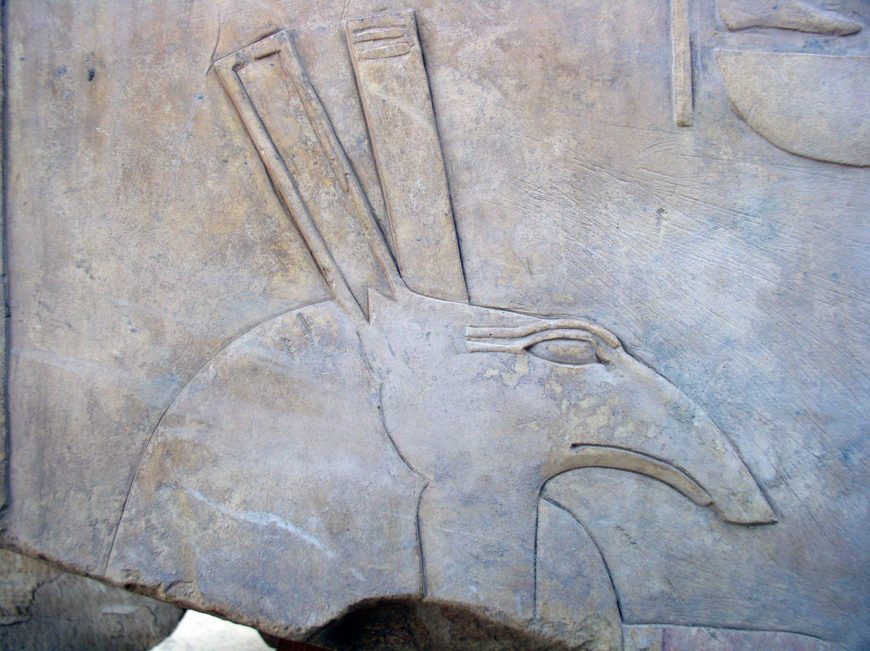
Creation myths and form(s) of the gods in ancient Egypt
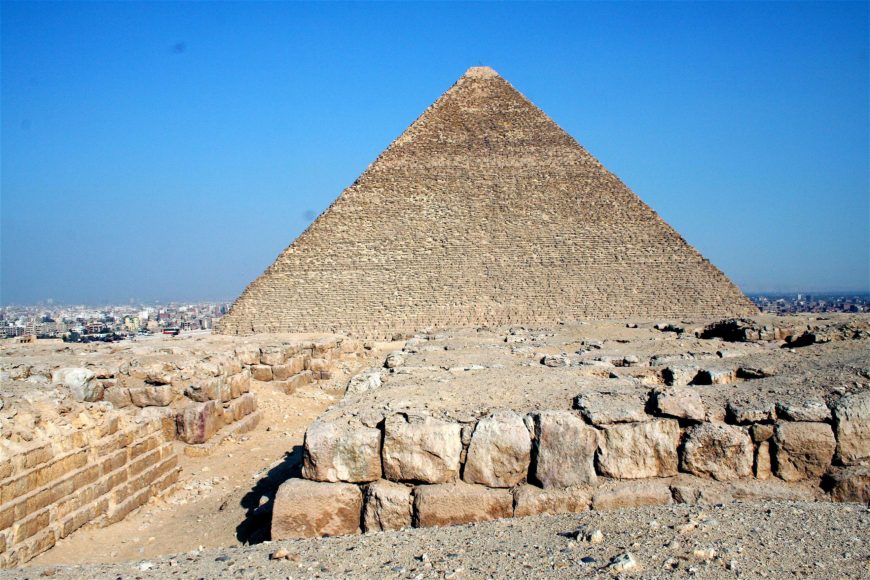
Private tombs, portals to the afterlife
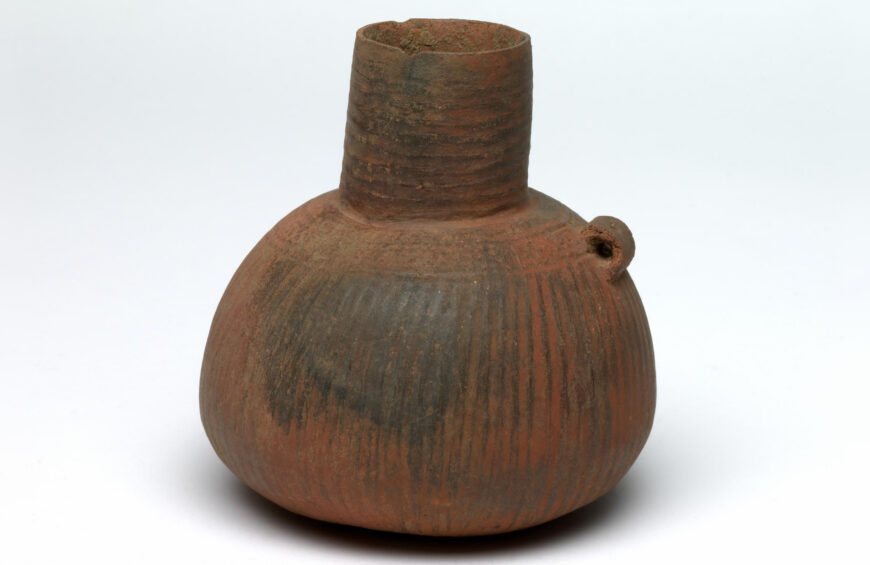
The kingdom of Aksum
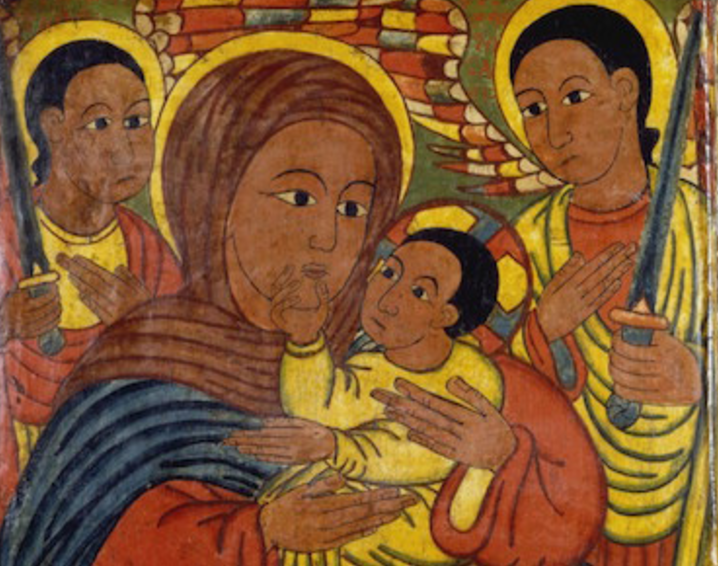
Christian Ethiopian art
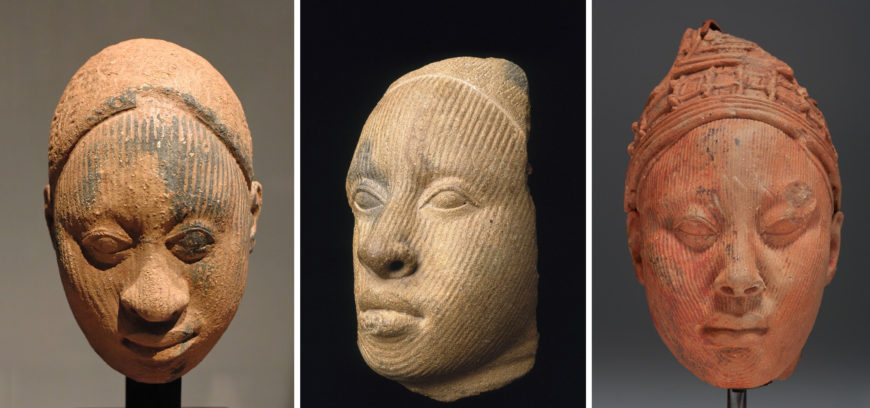
Kingdom of Ife: sculptures from West Africa
Benin and the Portuguese

Pageantry in the Palace—Bamum Kingdom, Cameroon
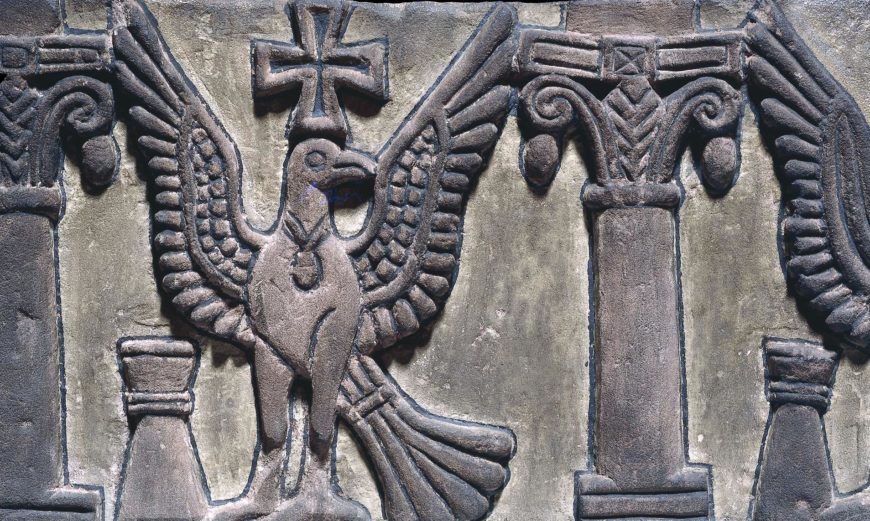
Medieval Nubian Kingdoms, an introduction
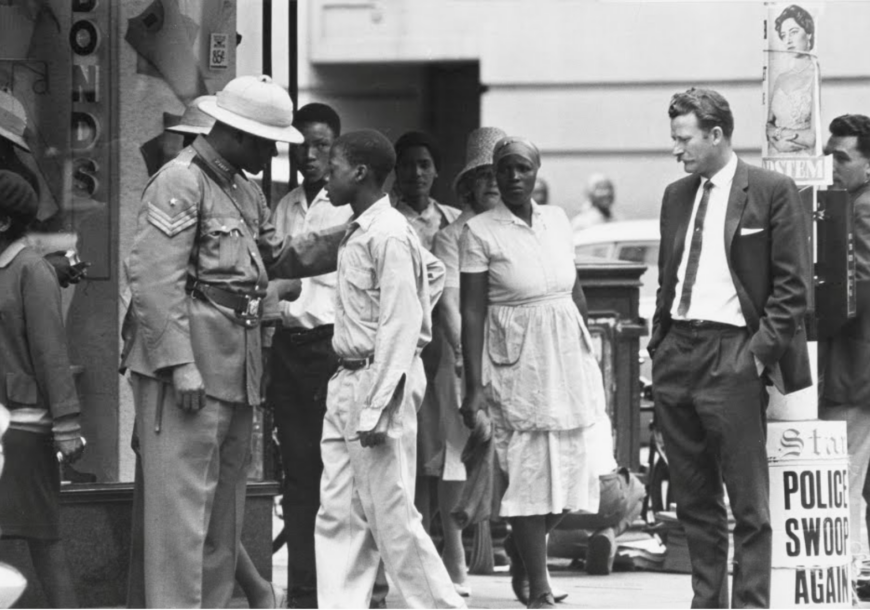
The story of Ernest Cole, a Black photographer in South Africa during apartheid
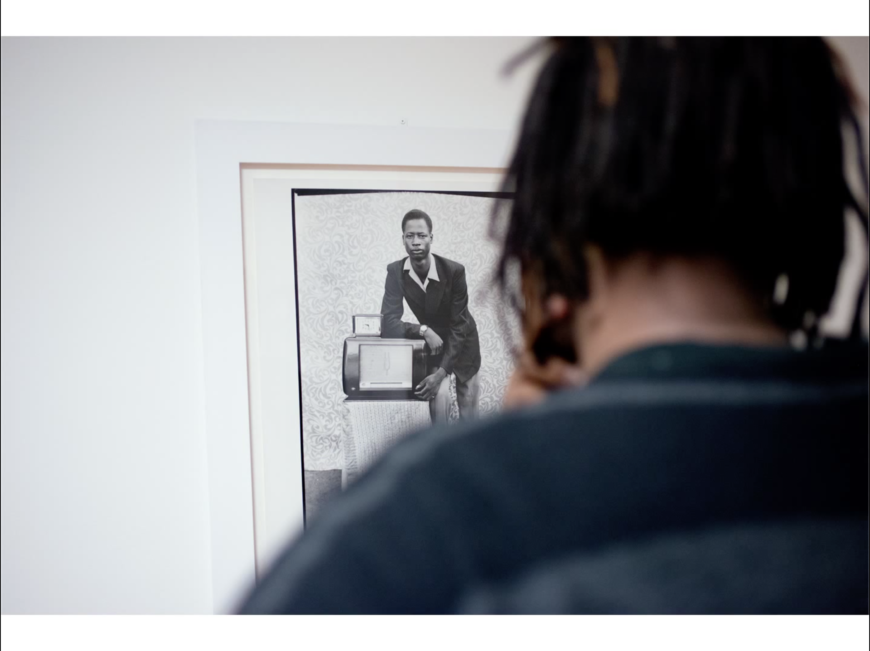
Mickalene Thomas on Seydou Keïta
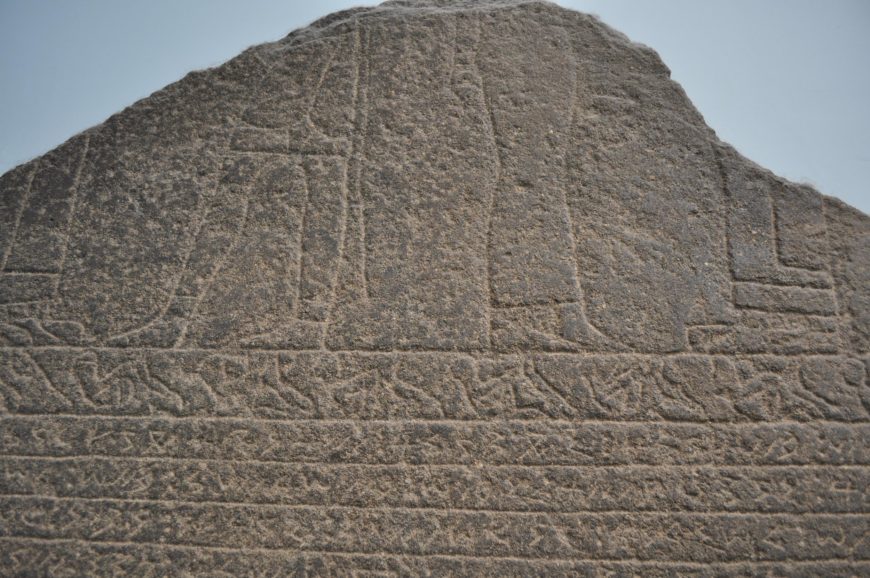
The Kingdom of Kush in ancient Nubia, an introduction
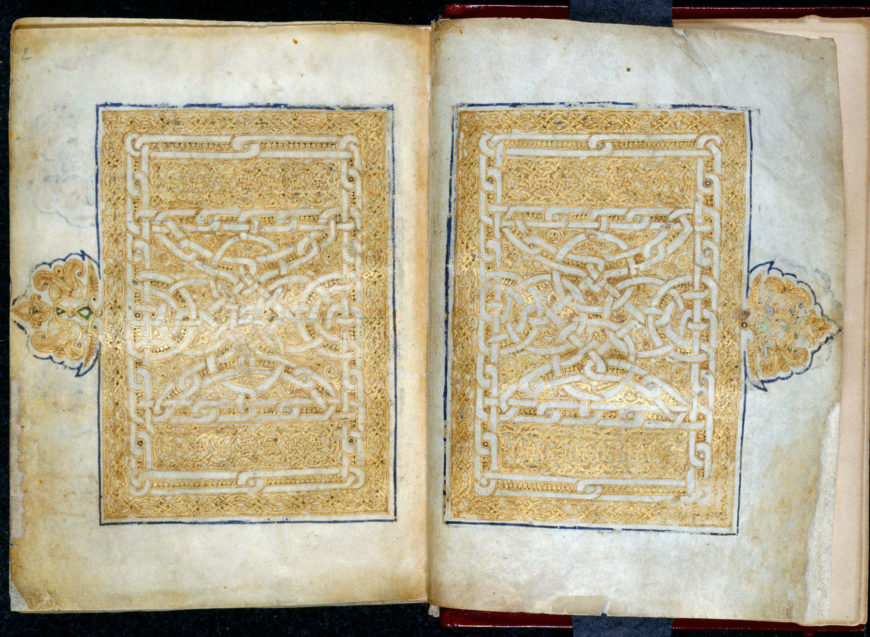
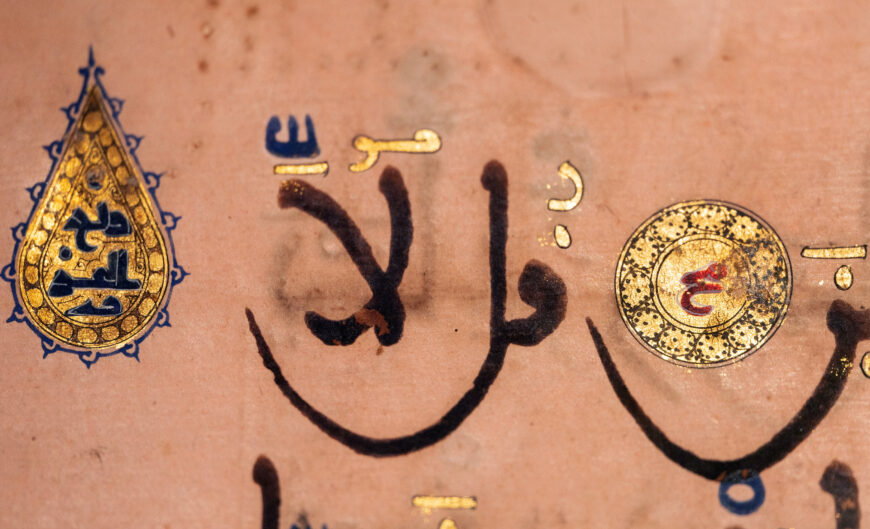
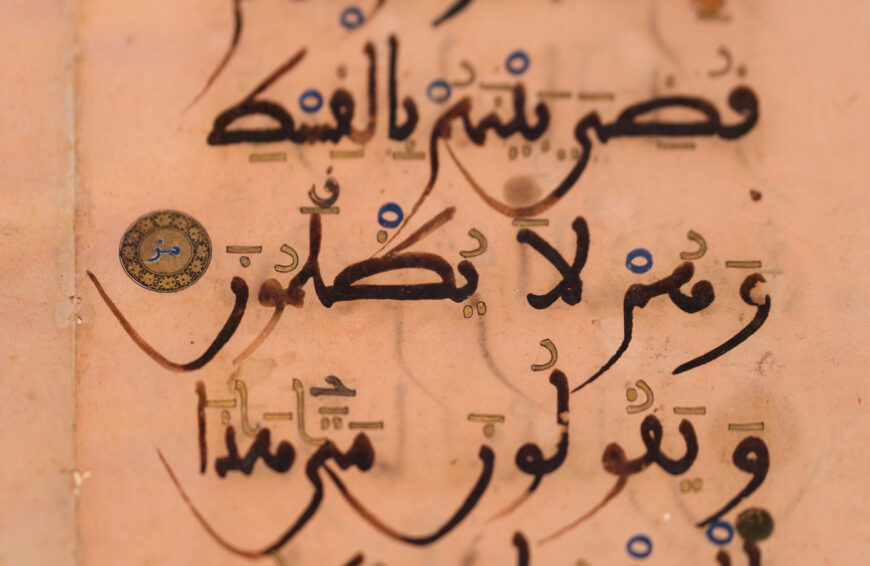
Illumination of the Qur’an
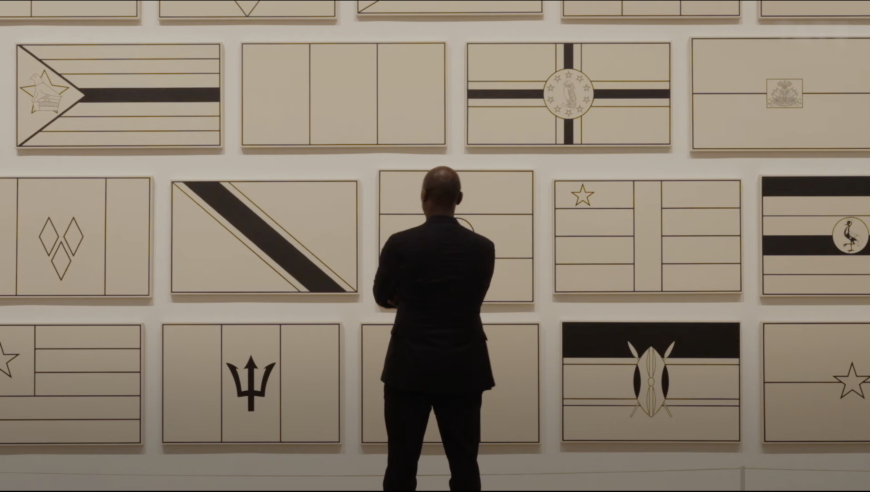
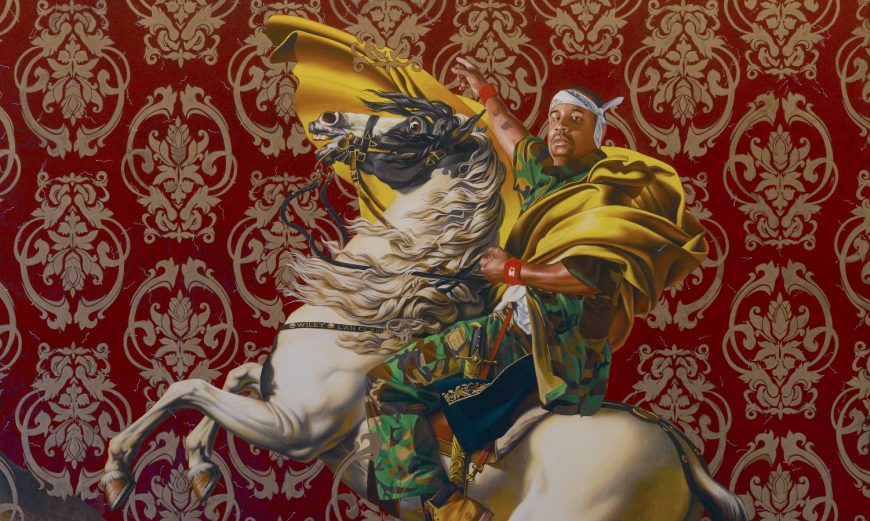
The Black Atlantic: identity and nationhood
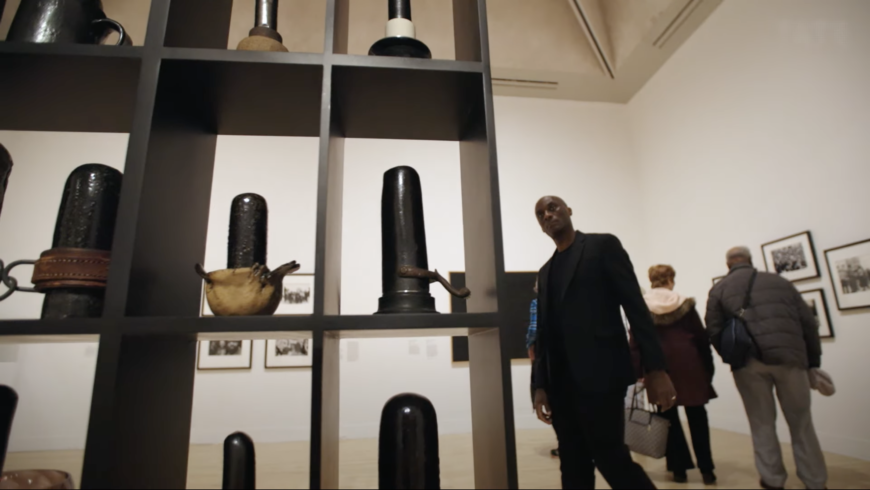
The Black Atlantic: toppled monuments and hidden histories
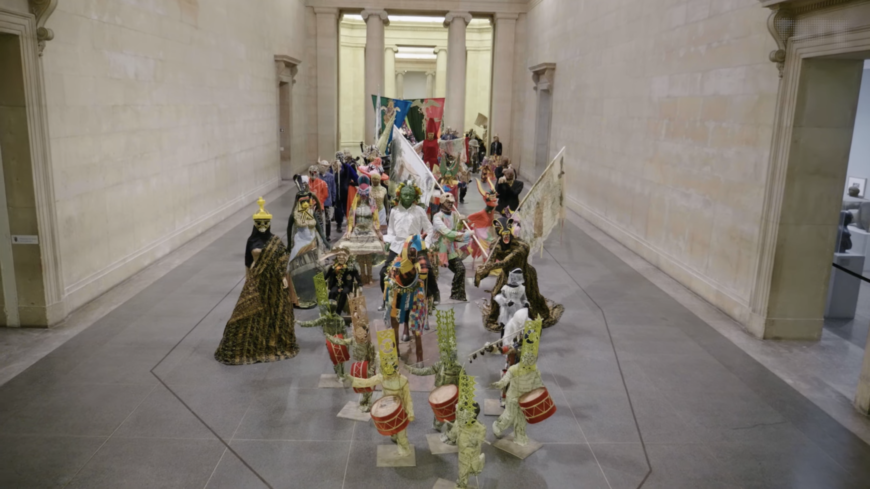
The Black Atlantic: afterlives of slavery in contemporary art
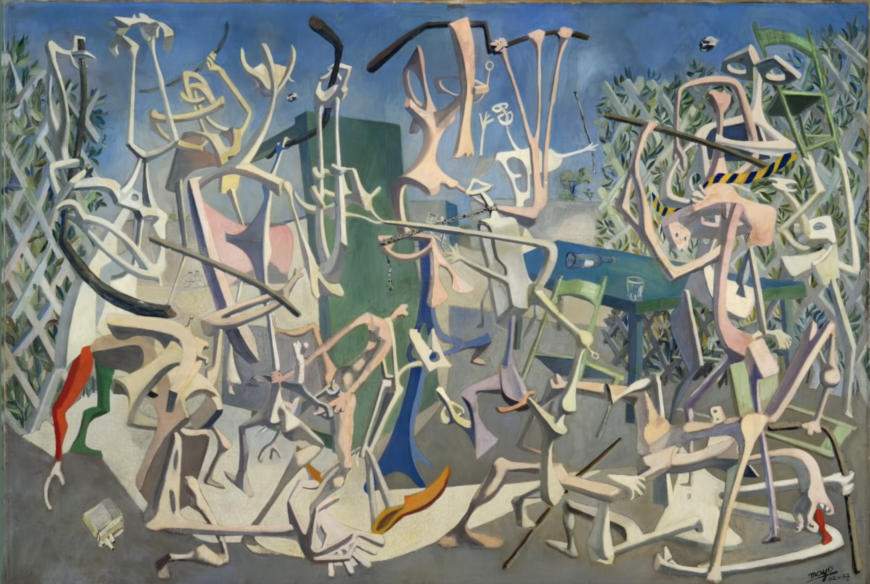
Egyptian Surrealism, an introduction

Omar Victor Diop: Black subjects in the frame
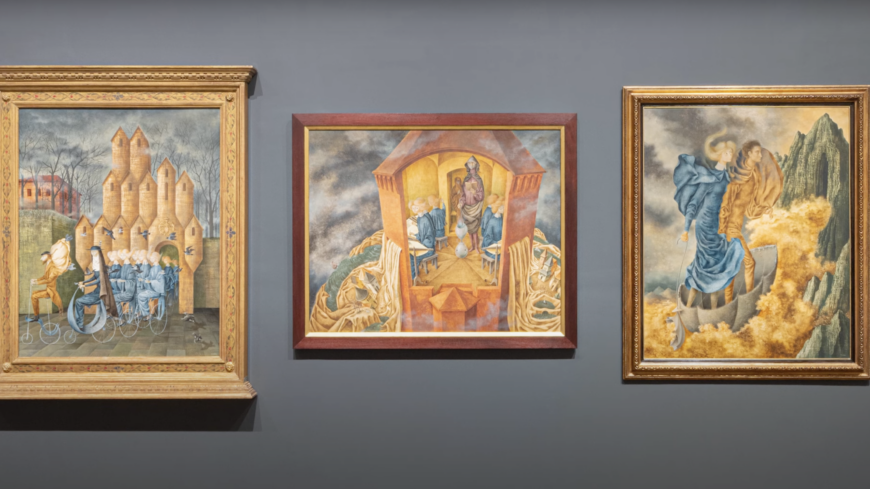
Surrealism: Imagining A New World
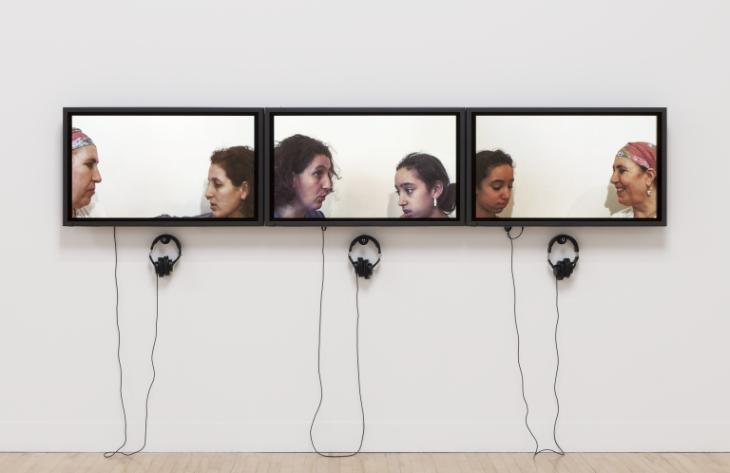
Zineb Sedira – ‘The Personal is Political’
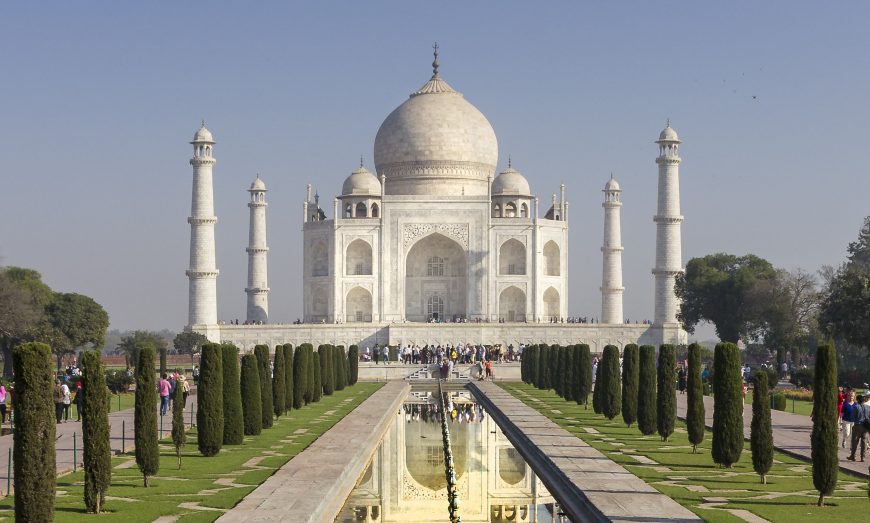
Arts of the Islamic world
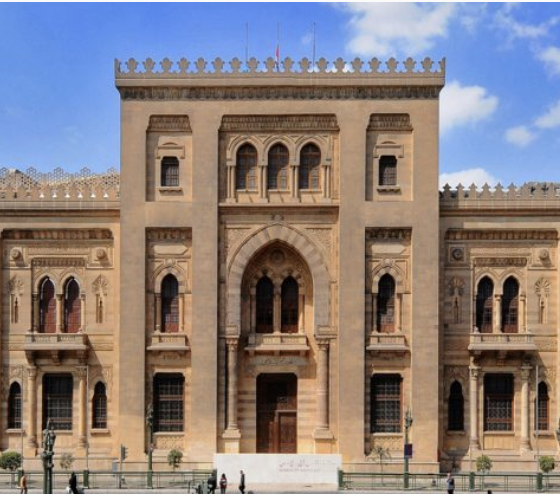
Cultural heritage at risk: Egypt
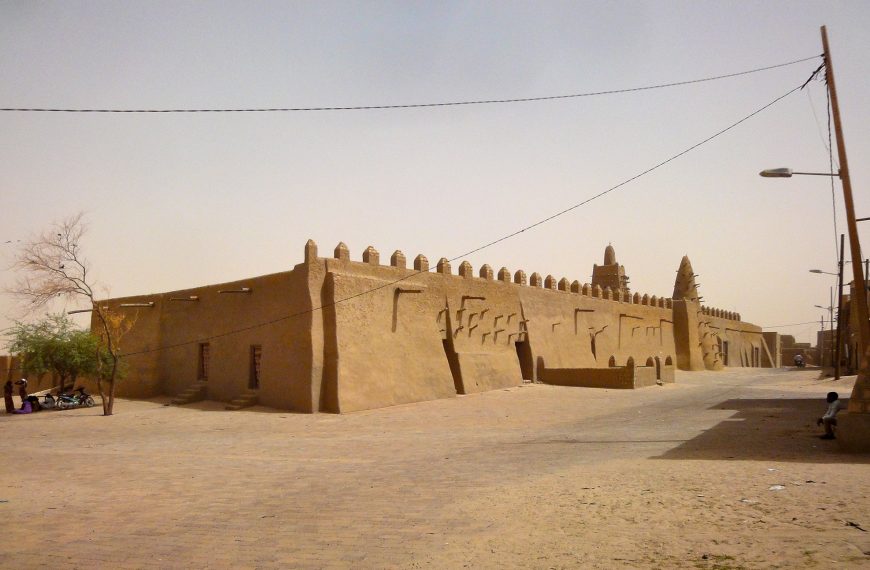
Cultural heritage at risk: Mali

Jewish history in the post-war period
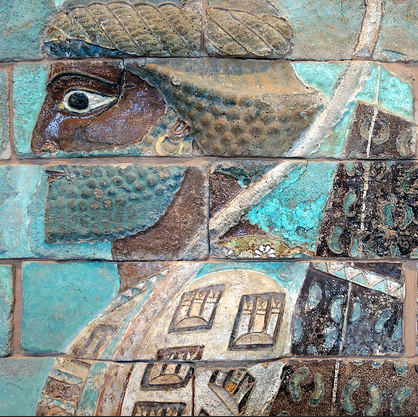
Ancient Persia, an introduction
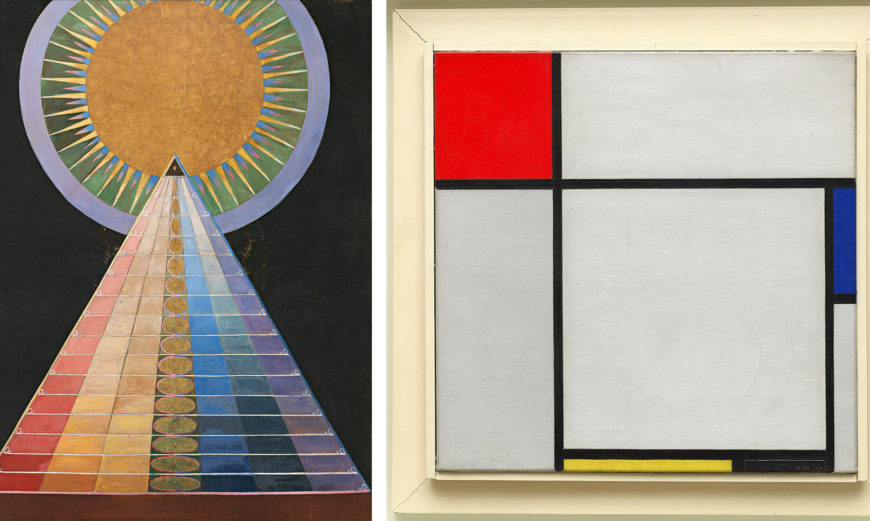
Modern art and reality
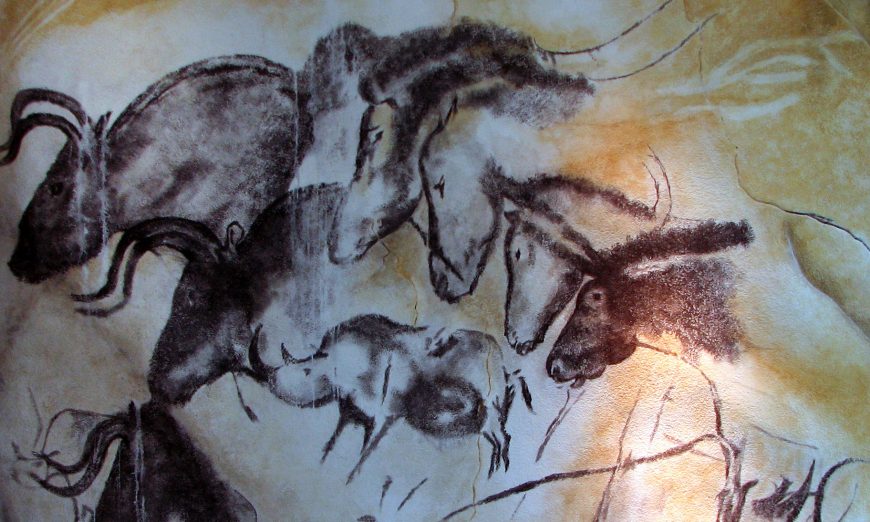
Paleolithic art, an introduction
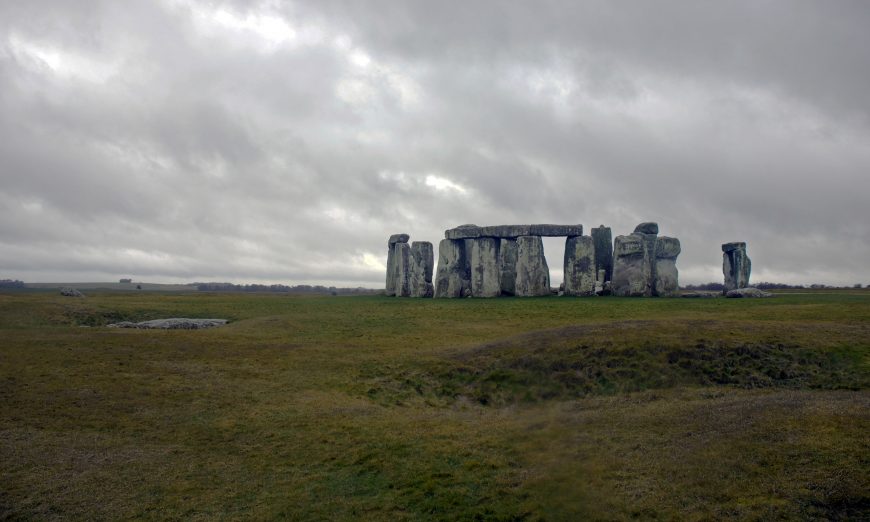
The Neolithic revolution
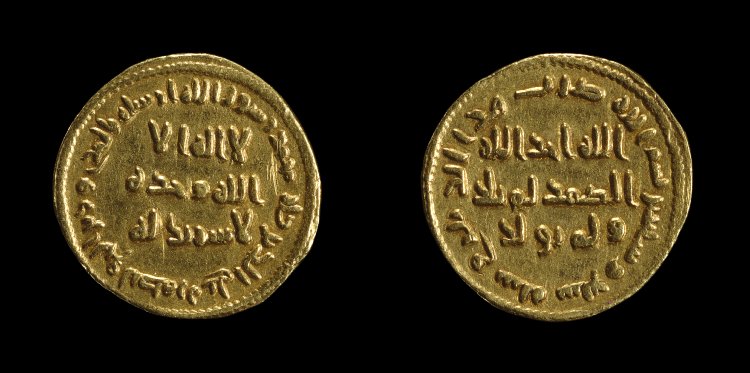
The Umayyads, an introduction
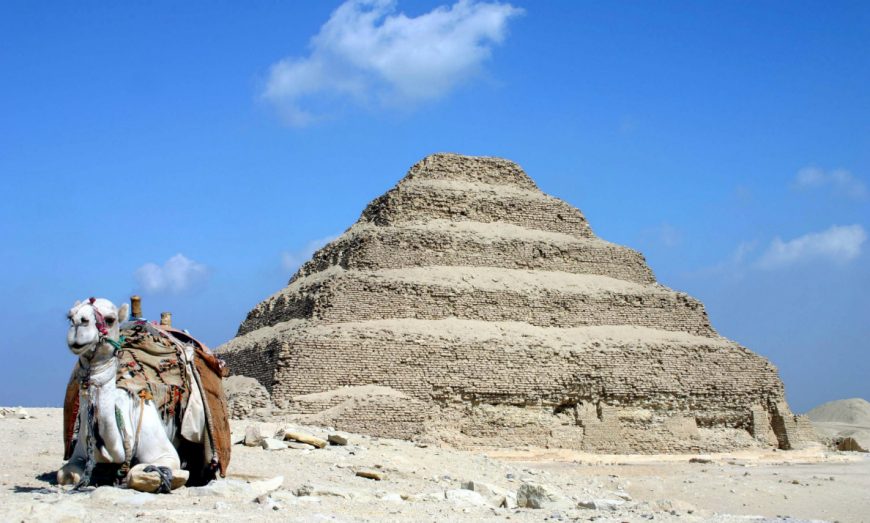
Ancient Egypt, an introduction
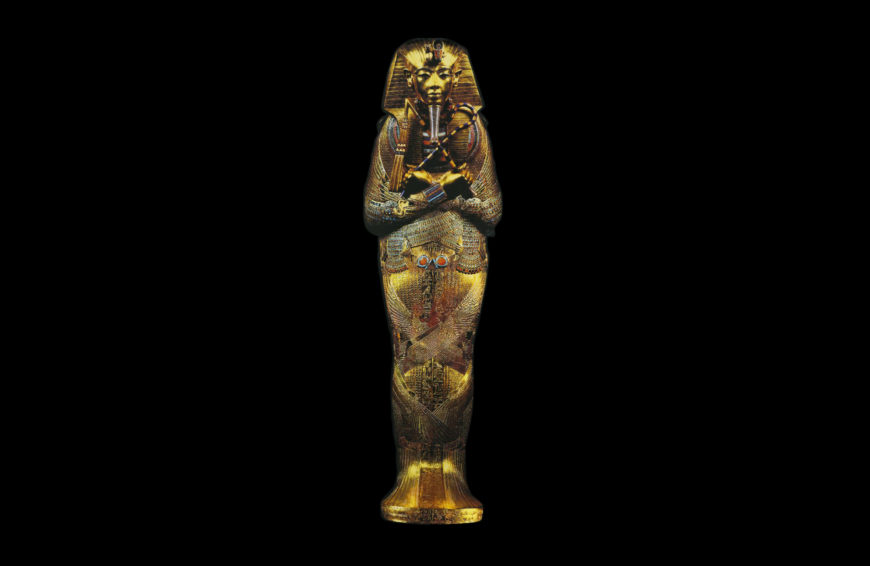
Ancient Egyptian chronology and historical framework
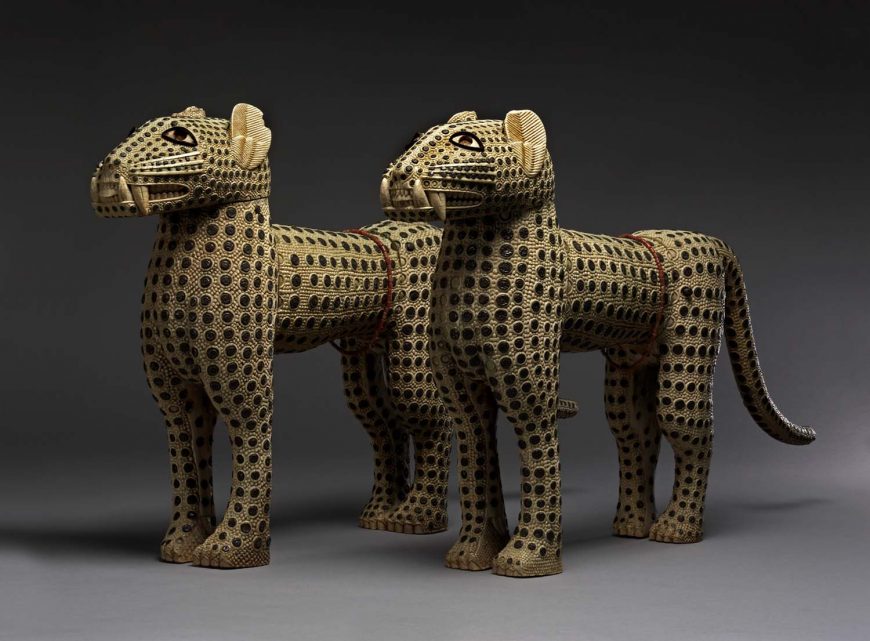
Benin art: patrons, artists, and current controversies
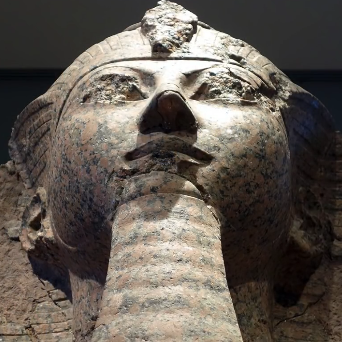
Egyptian social organization—from the pharaoh to the farmer (part 1)
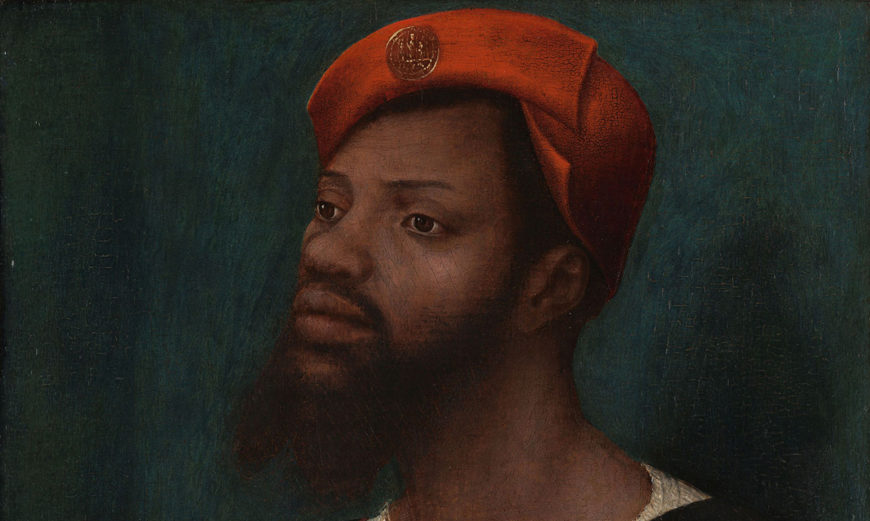
Africa in the European imagination
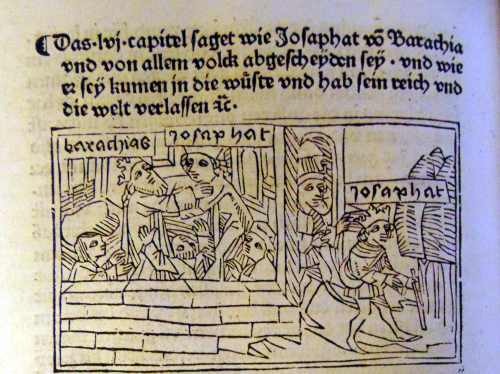
The Buddha’s long “journey” to Europe and Africa
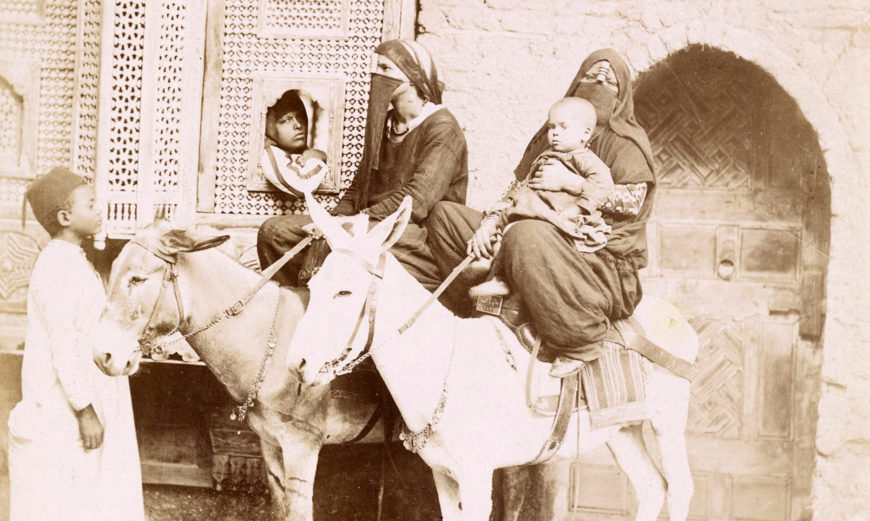
Staging the Egyptian harem for Western eyes
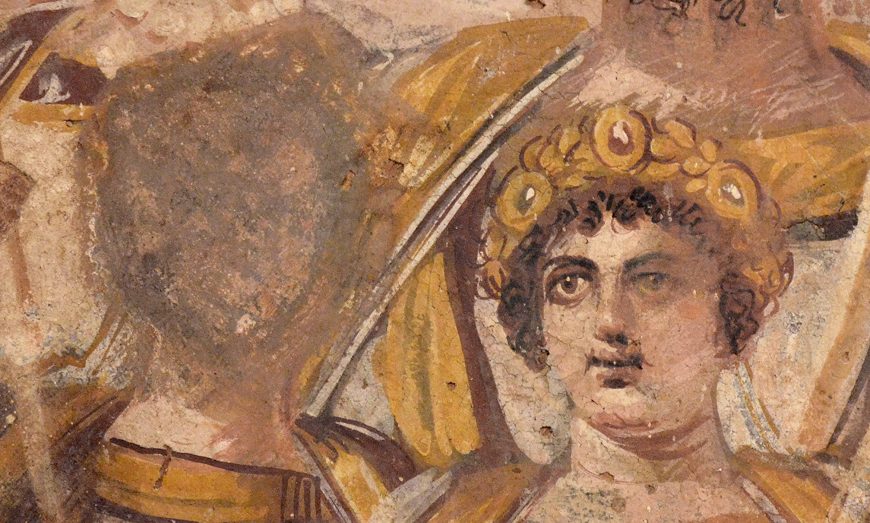
Damnatio memoriae—Roman sanctions against memory
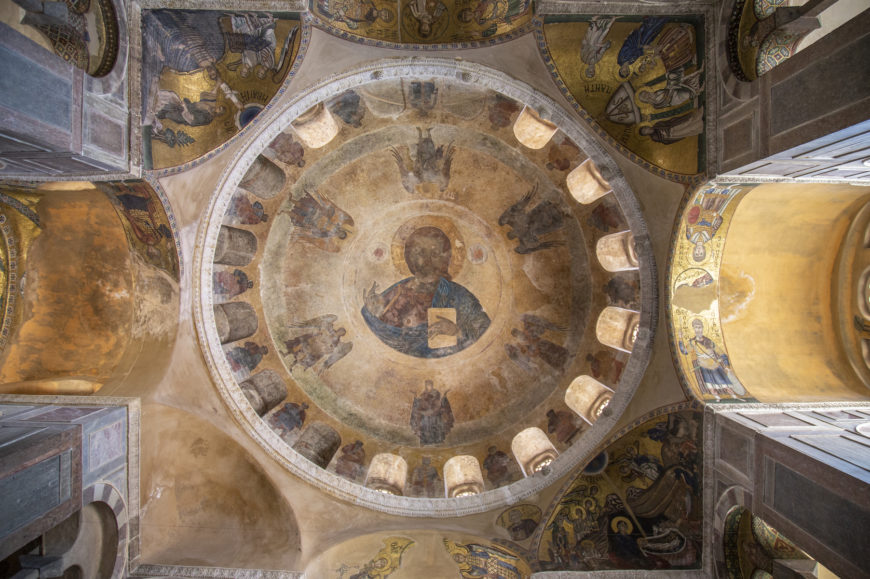
Byzantine art, an introduction
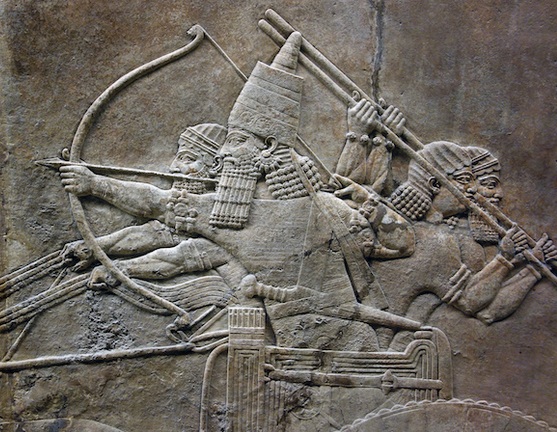
Assyria, an introduction

Jewish history to the middle ages
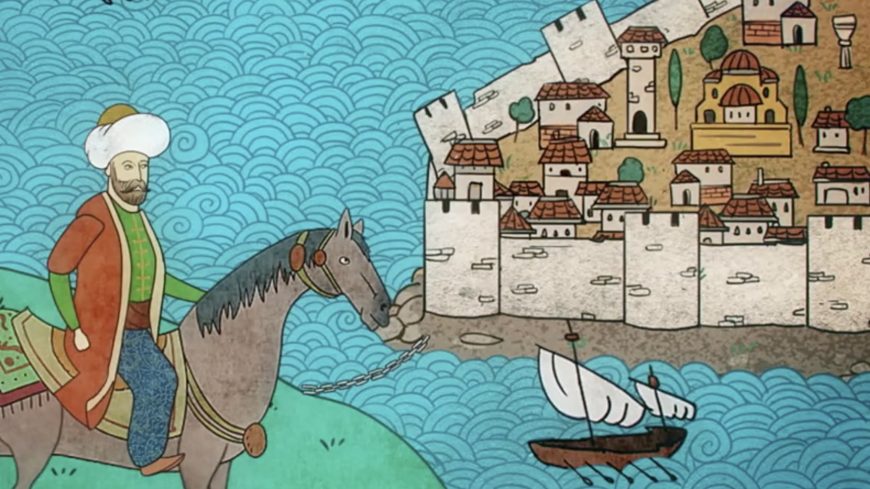
The rise of the Ottoman Empire
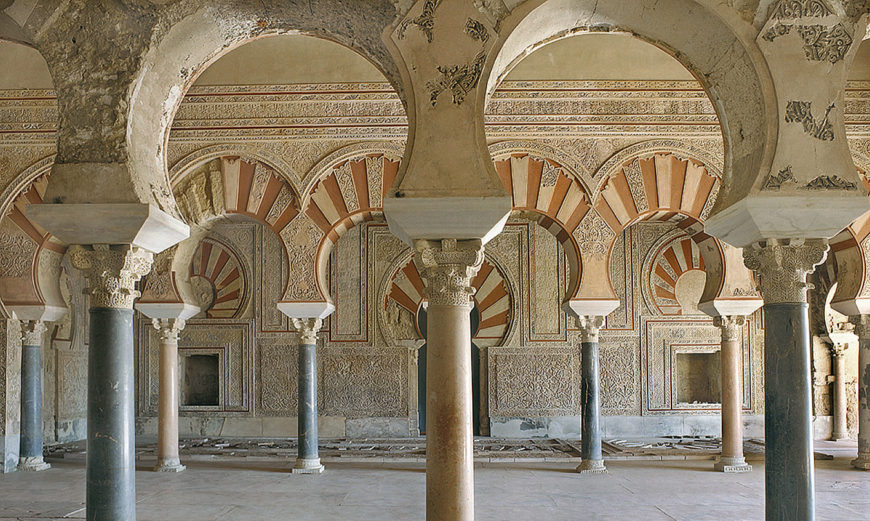
The vibrant visual cultures of the Islamic West, an introduction
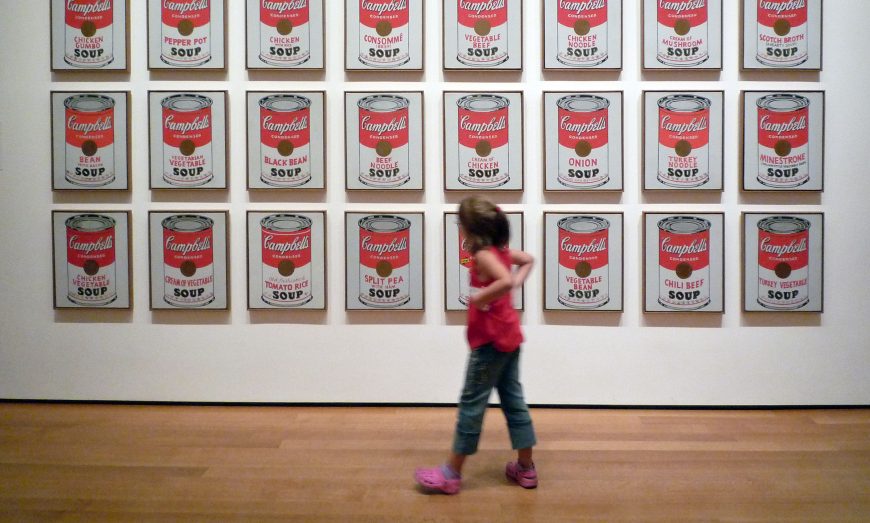
Contemporary art, an introduction
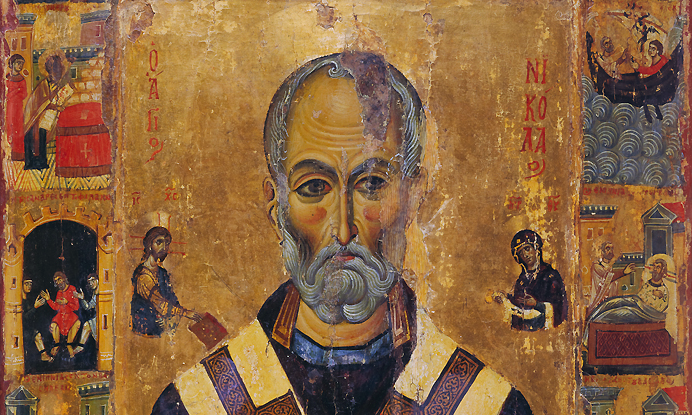
The vita icon in the medieval era
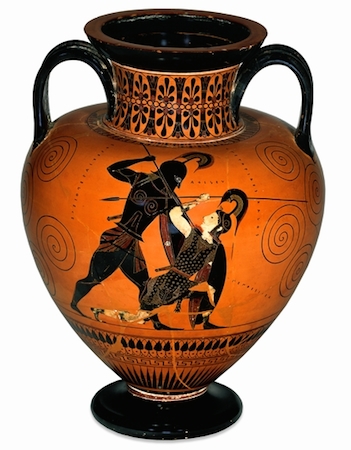
Ancient Greece, an introduction
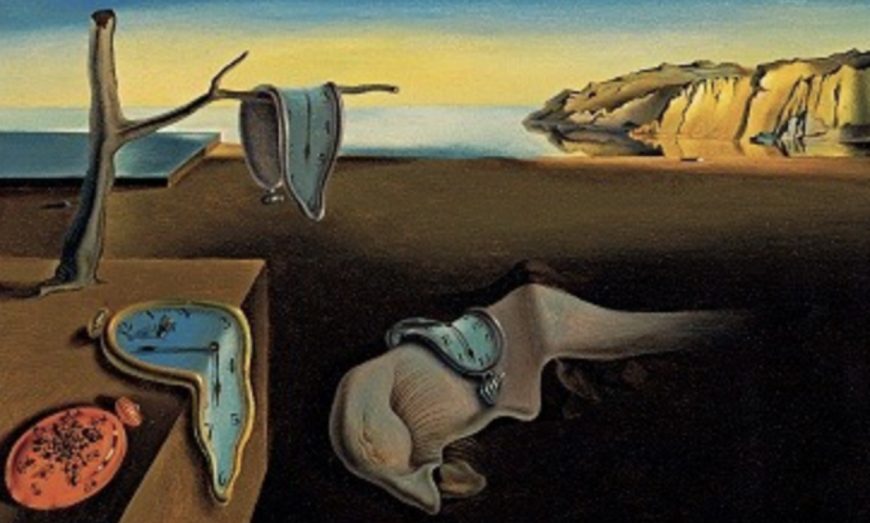
The Case for Surrealism
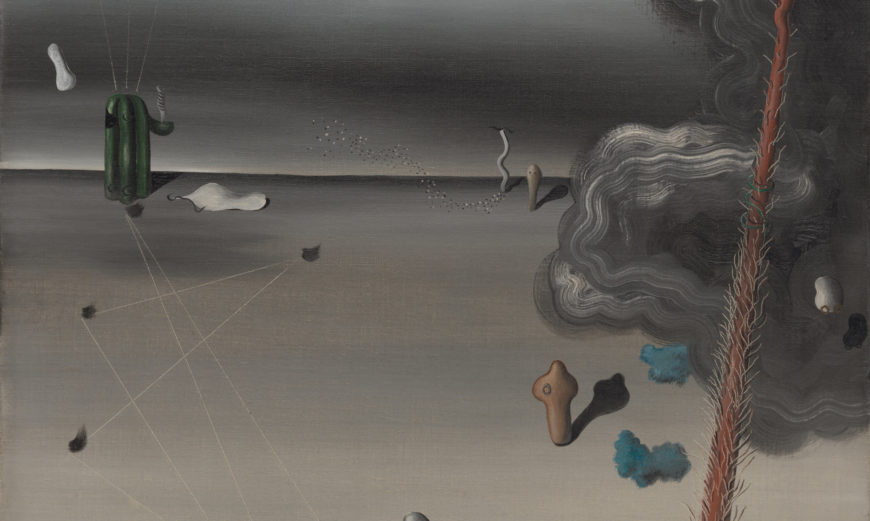
Surrealist Techniques: Subversive Realism
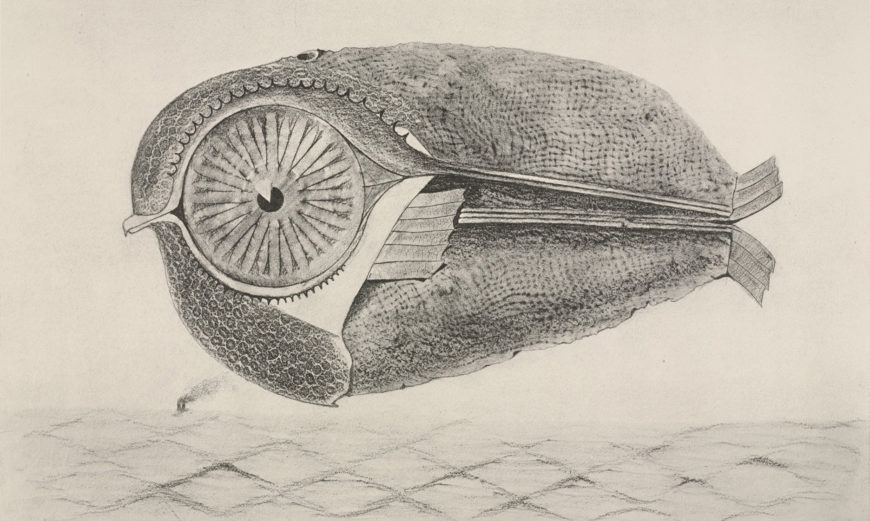
Surrealist Techniques: Automatism
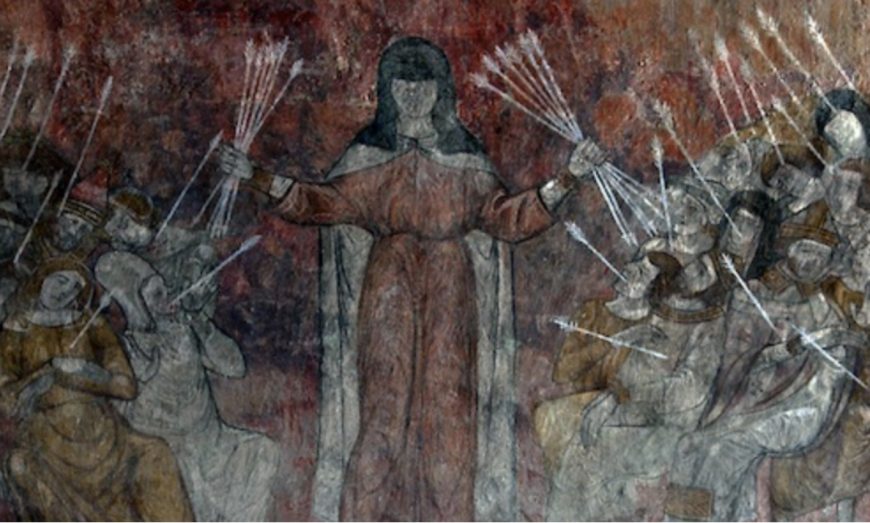
The Black Death
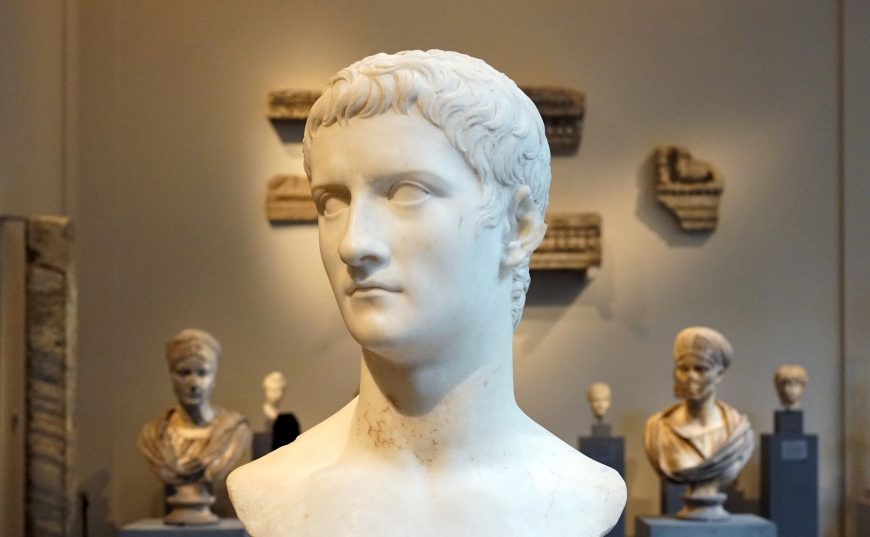
Rome’s history in four faces at The Met
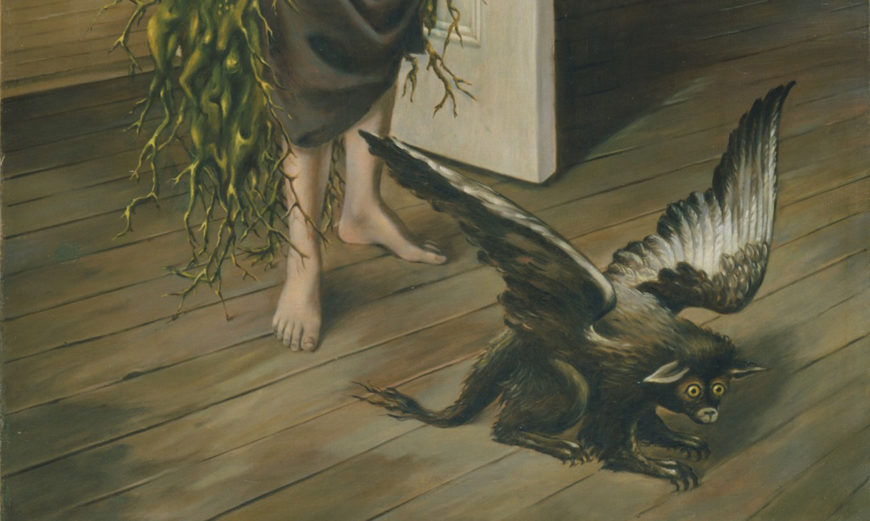
Surrealism and Women
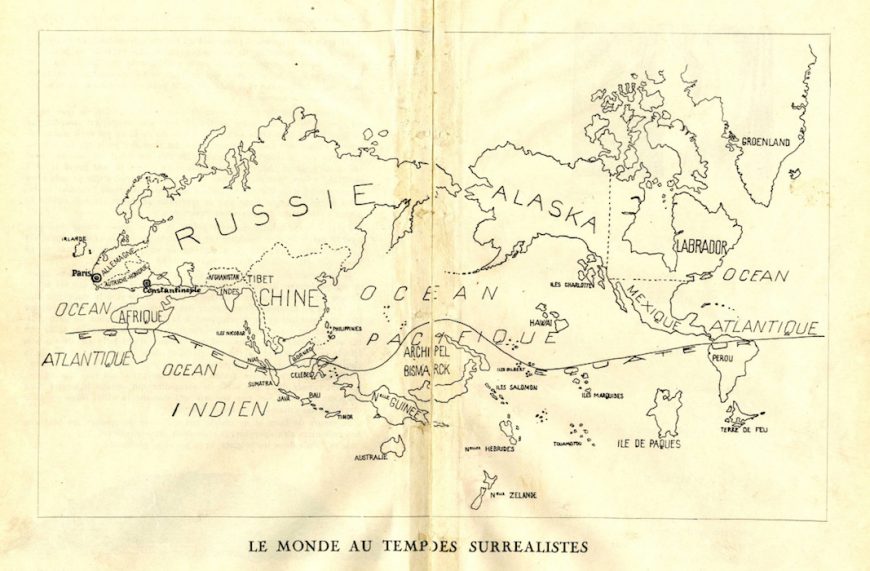
Surrealism, an introduction
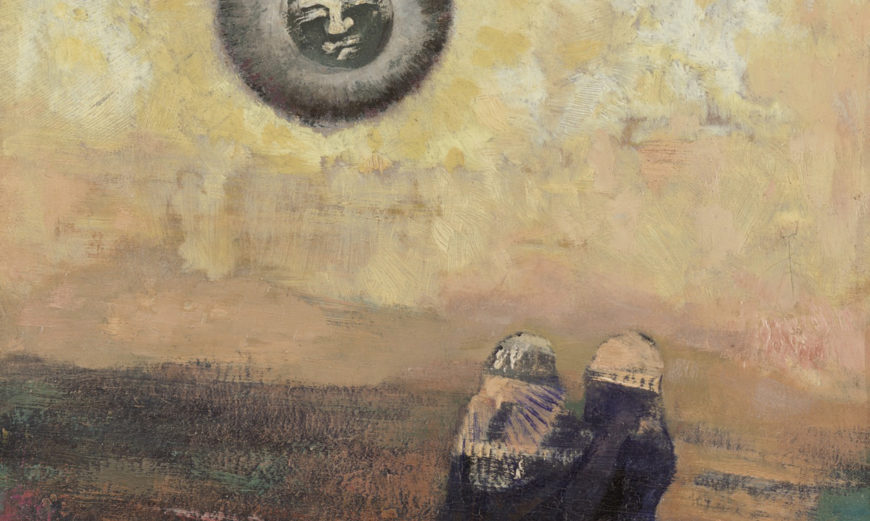
Surrealism: Origins and Precursors

An interview with artist Ogawa Machiko
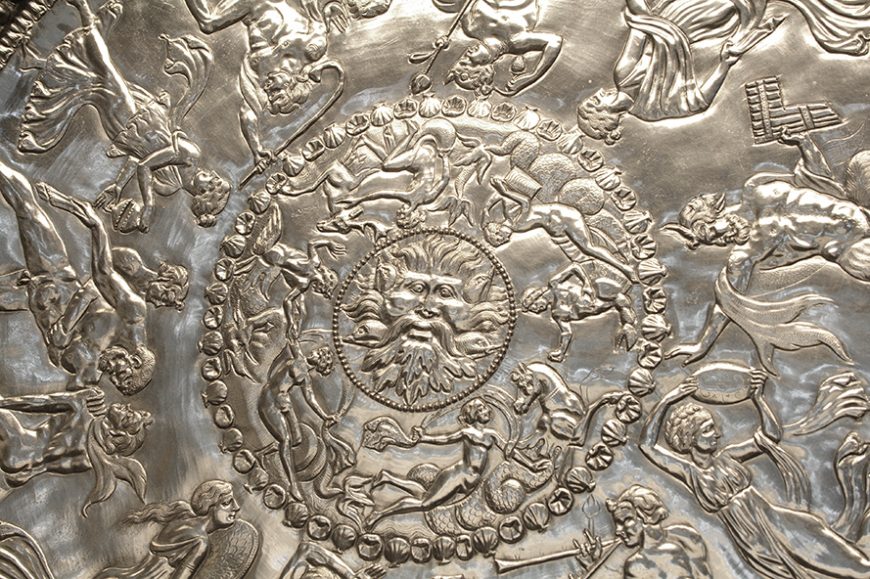
Classicism and the Early Middle Ages
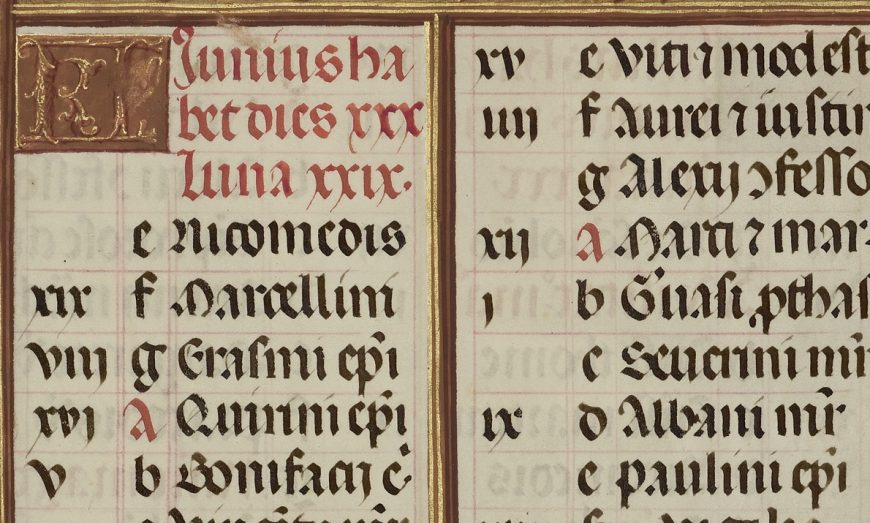
The medieval calendar
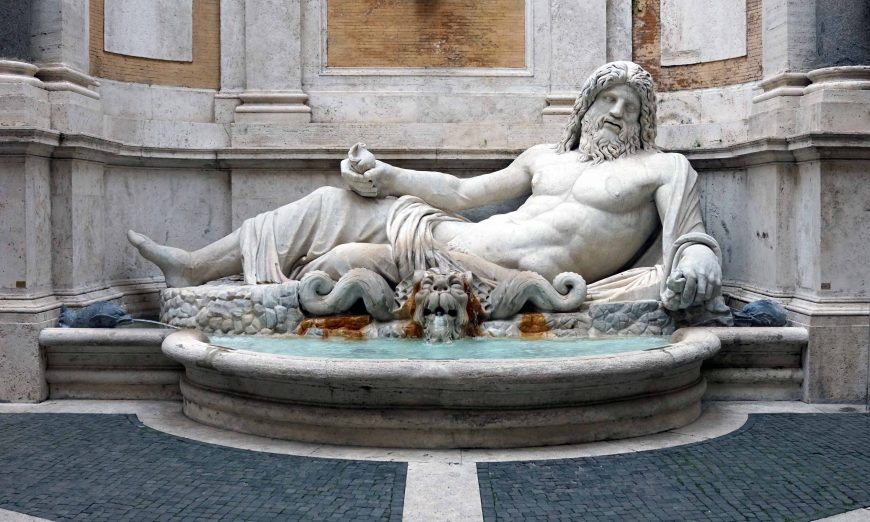
Ancient Roman art, an introduction
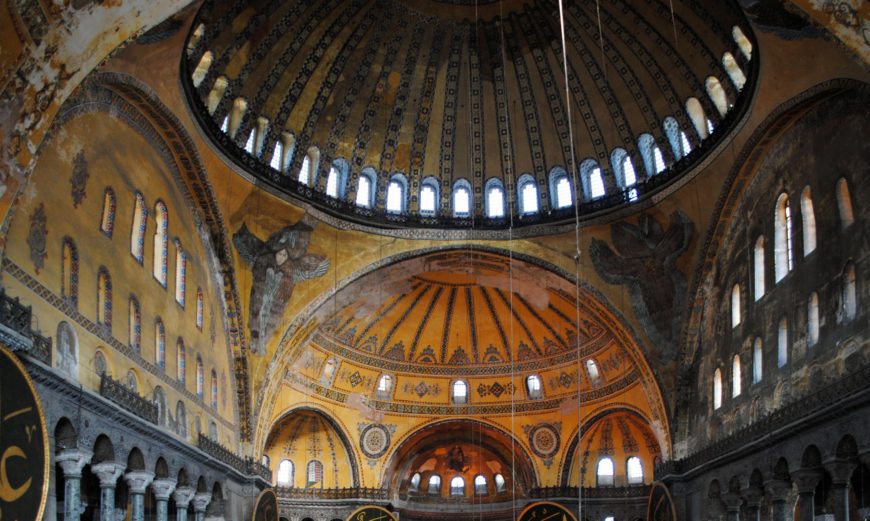
Innovative architecture in the age of Justinian
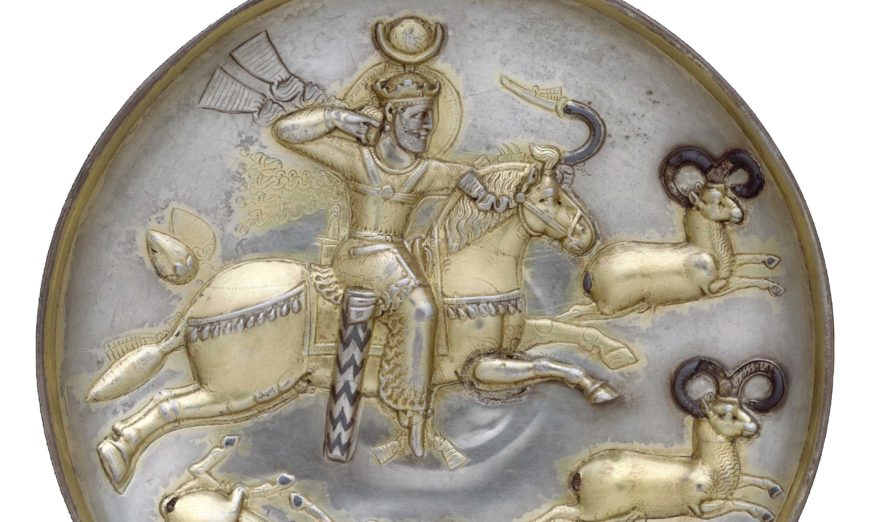
Sasanian art, an introduction
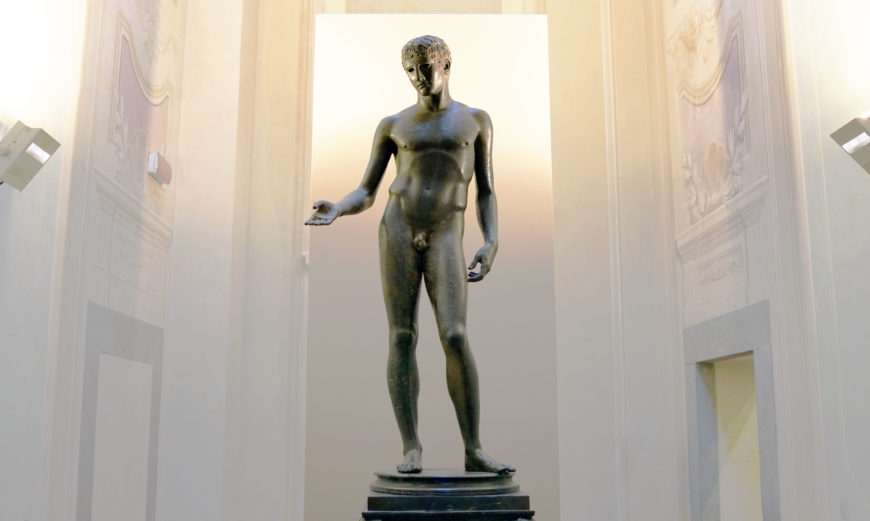
Contrapposto explained
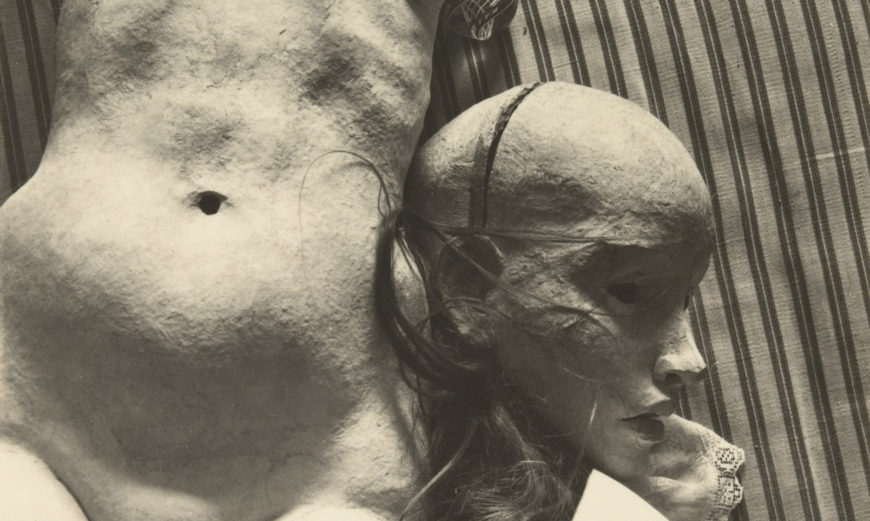
Surrealism and Psychoanalysis
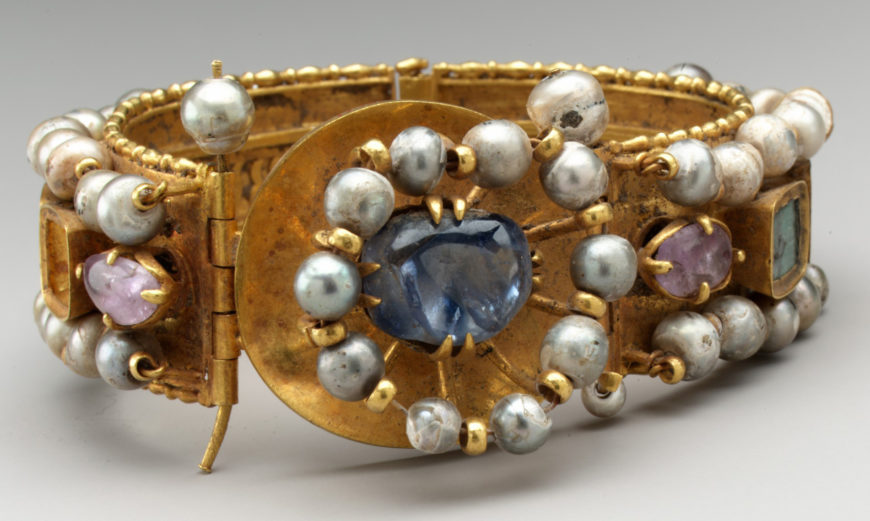
Wearable art in Byzantium
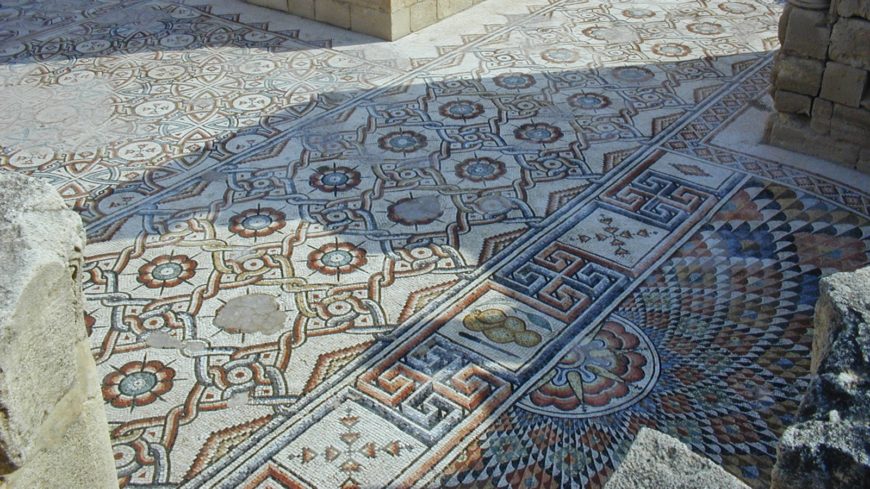
Mosaics in the early Islamic world
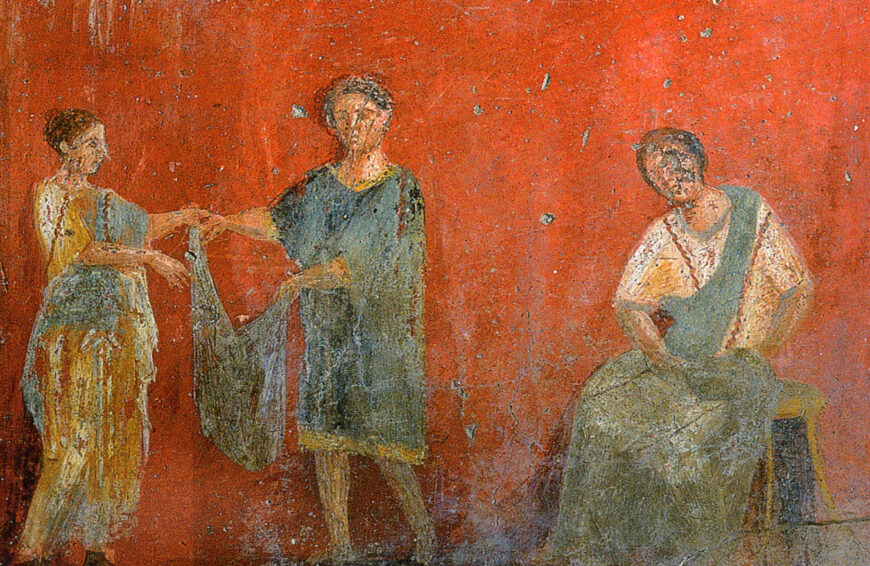
Women in Roman art

Ancient and Byzantine mosaic materials
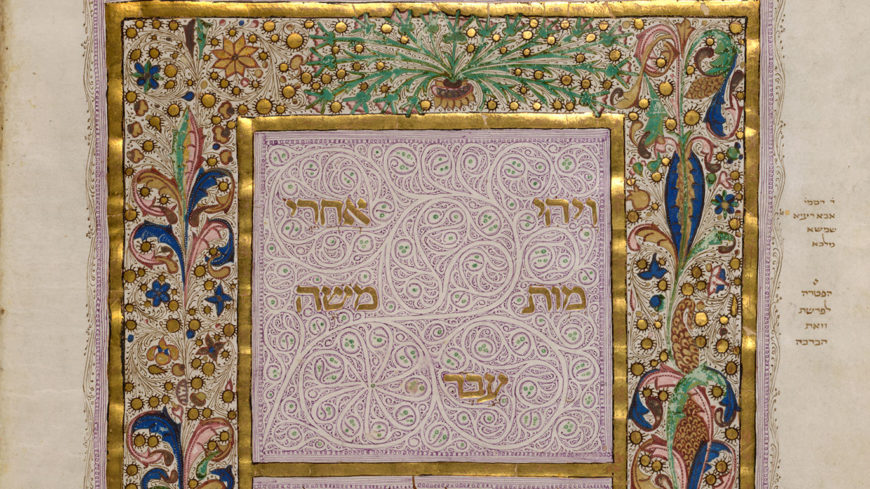
Illumination of Jewish biblical texts
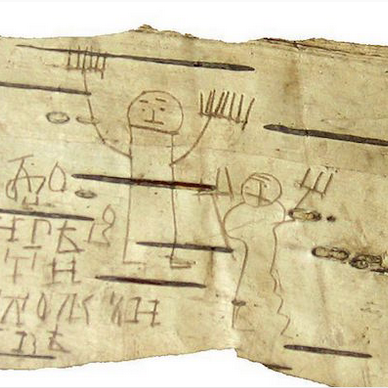
Medieval notepads
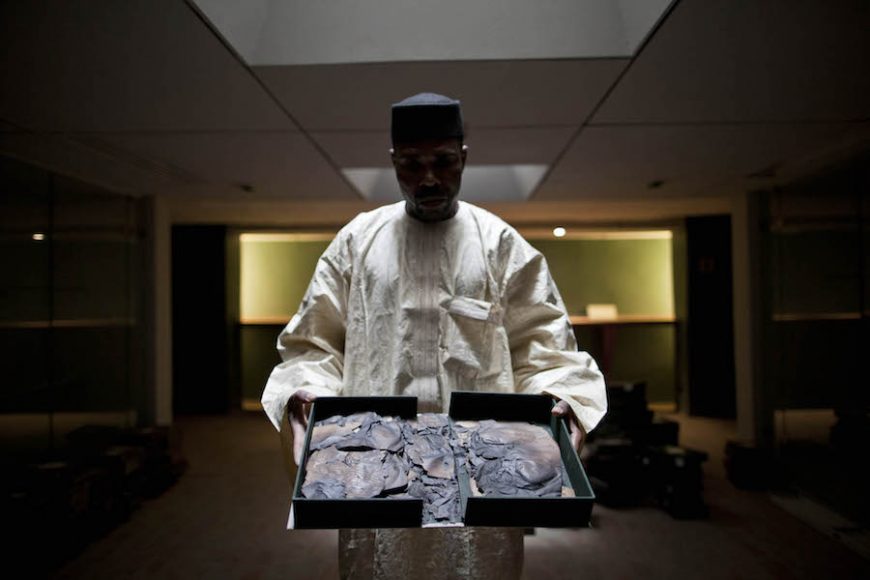
What can be done to protect cultural heritage?
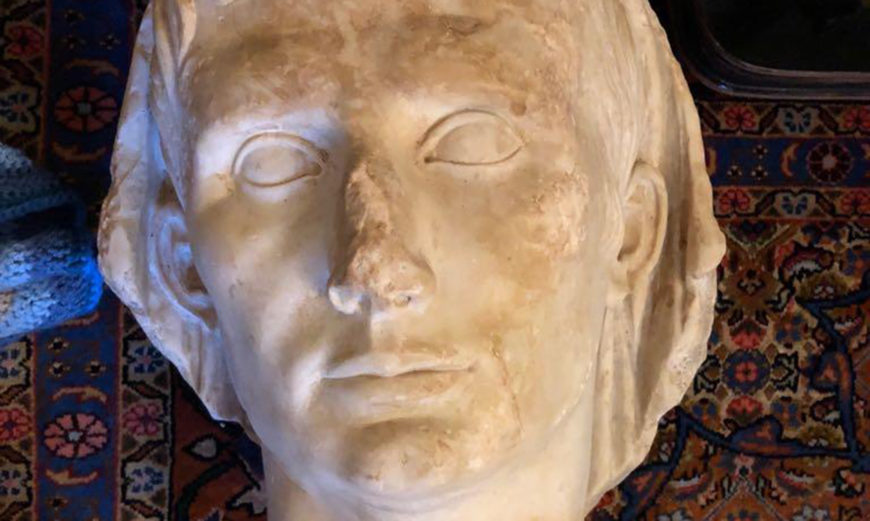
Seizure of looted antiquities illuminates what museums want hidden
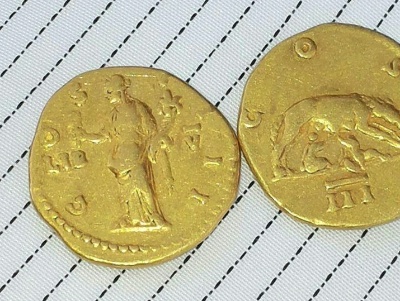
Trafficking the past
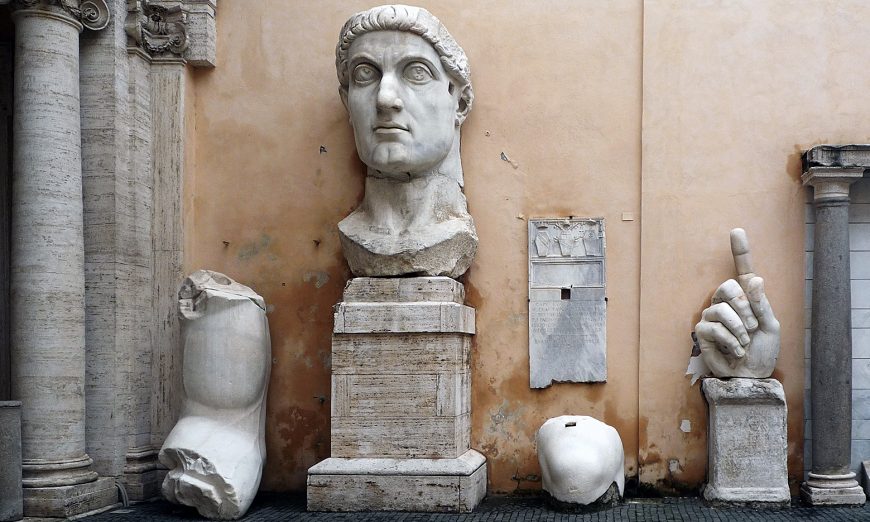
Early Christianity, an introduction
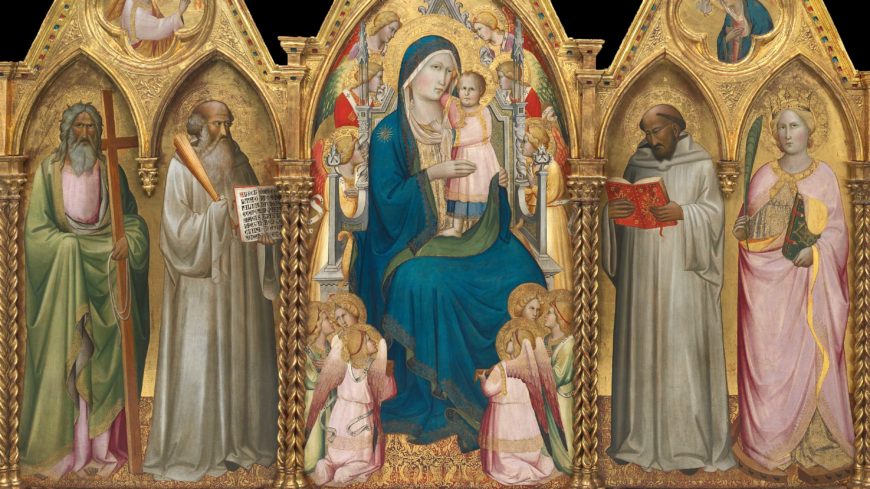
Who’s who? How to recognize saints…

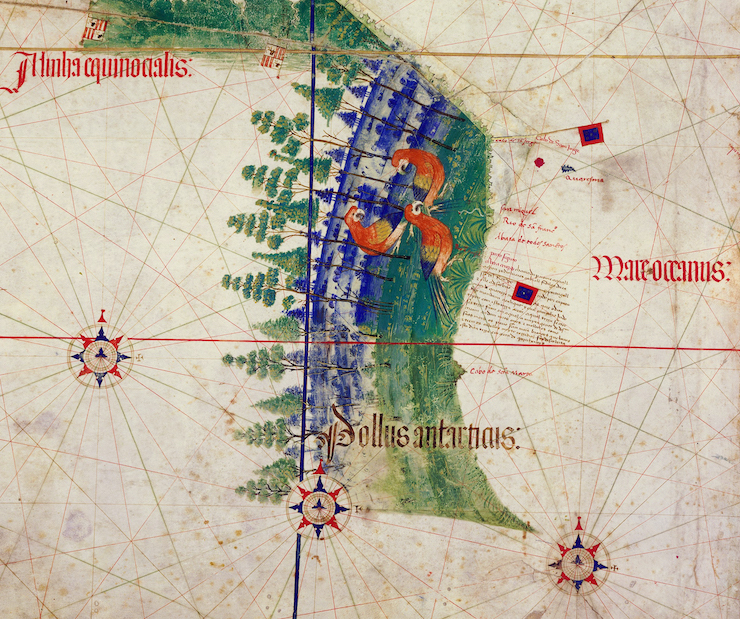
The rise and fall of the Avis dynasty in Portugal, an introduction
An interview with Sheba Chhachhi

Assyrian sculpture
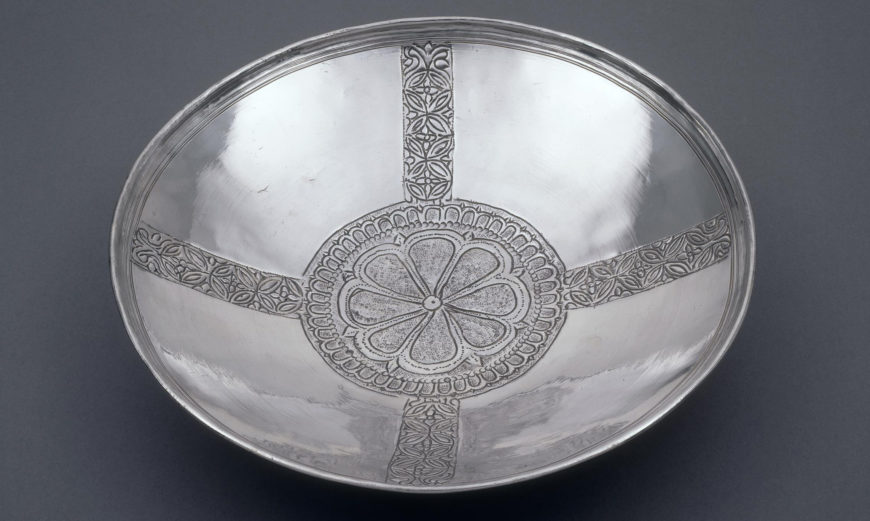
Cross-cultural artistic interaction in the Early Byzantine period
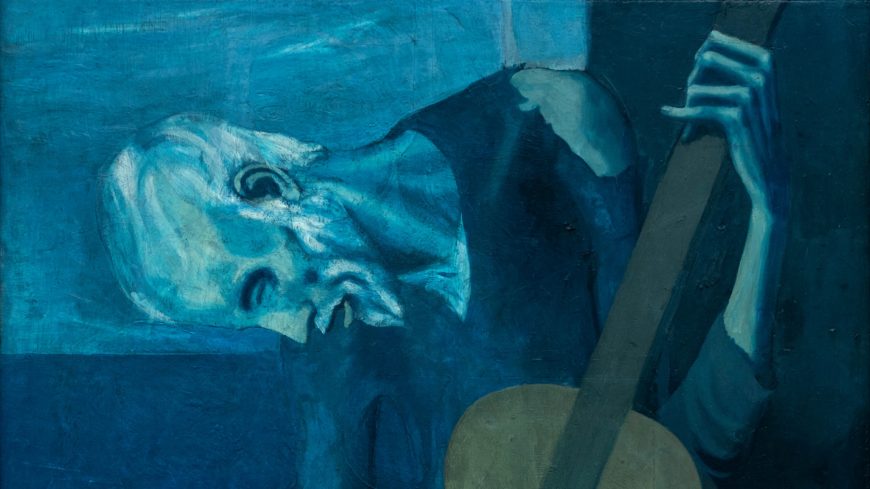
Expression and modern art
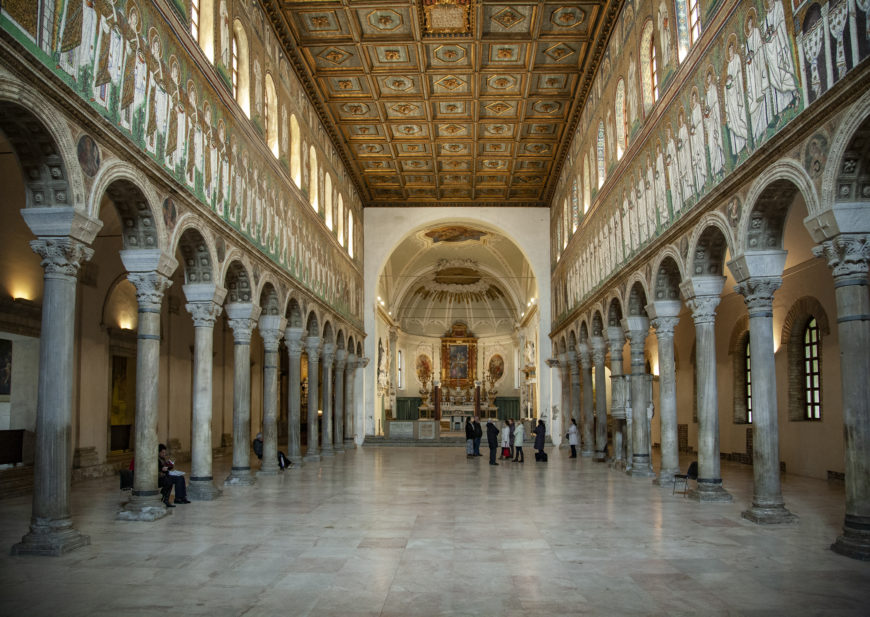
Early Byzantine architecture after Constantine
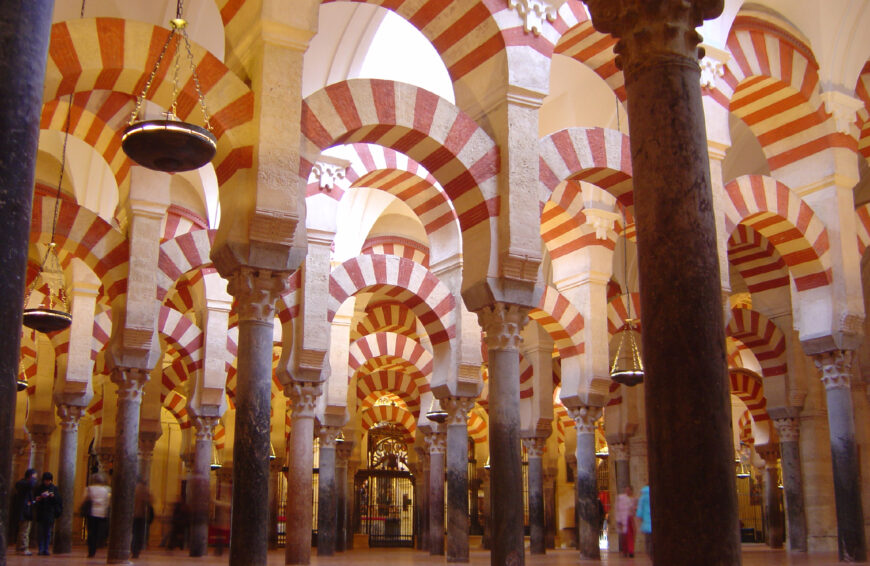
Common types of mosque architecture
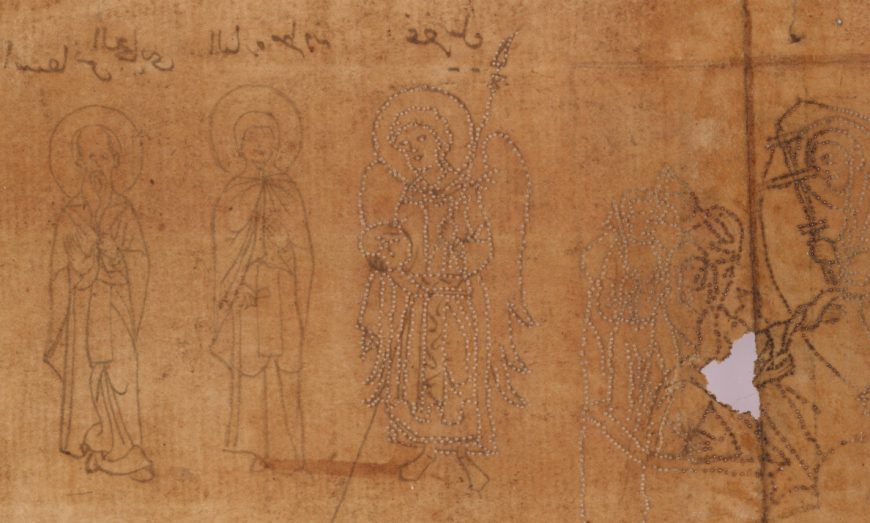
Medieval supermodels

Meriem Bennani’s Exploded Visions
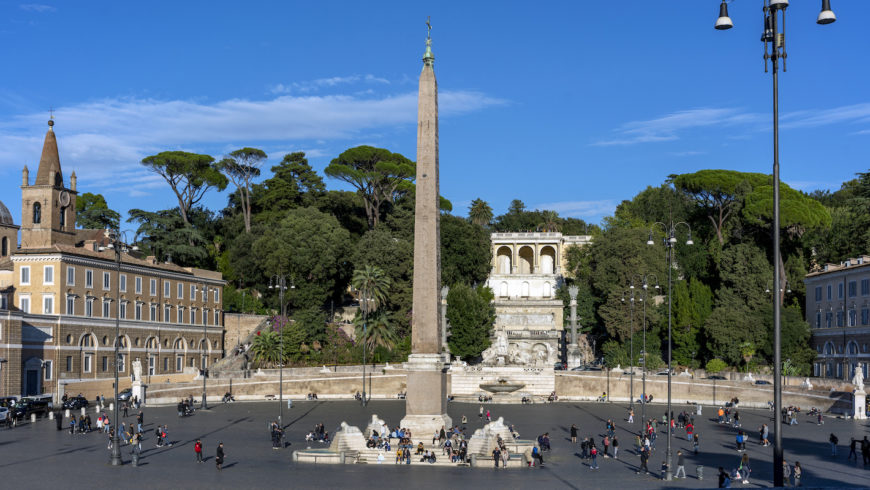
Obelisks and ancient Rome
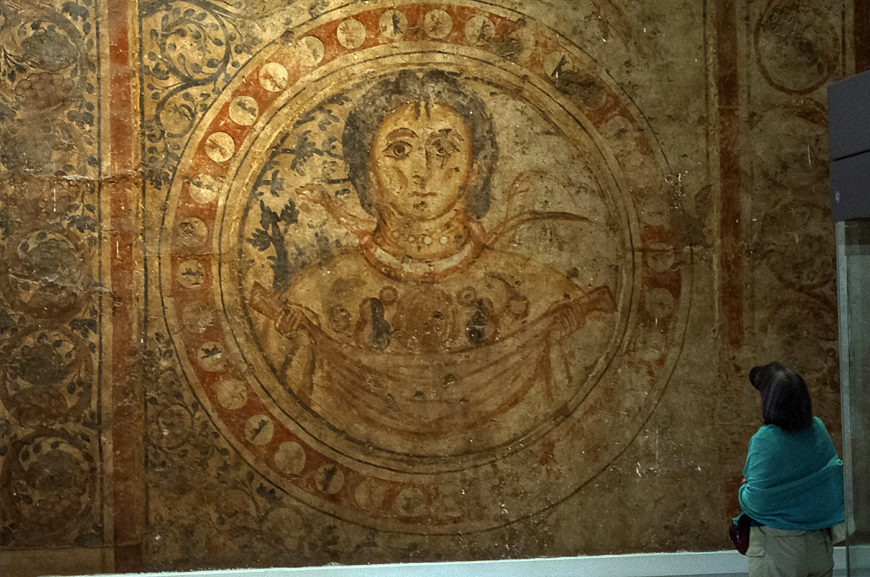
Paintings in the early Islamic world
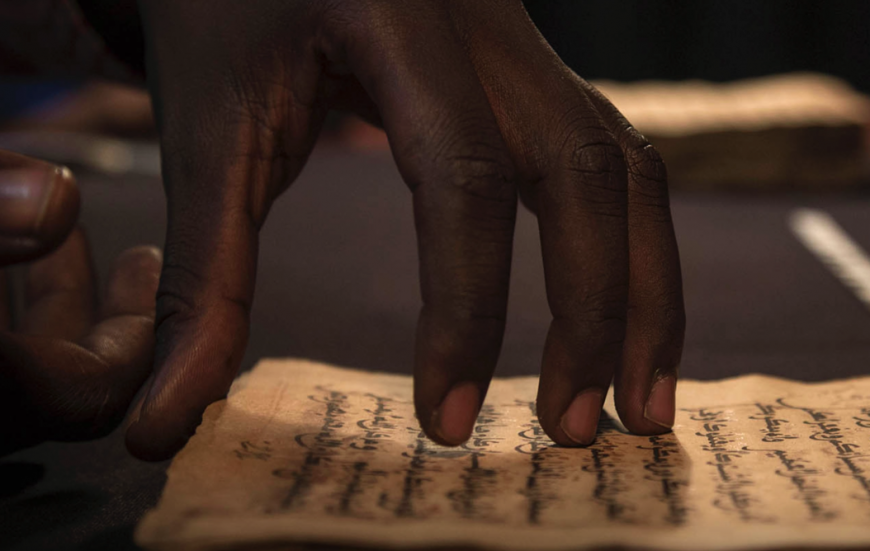
A race against time: manuscripts and digital preservation
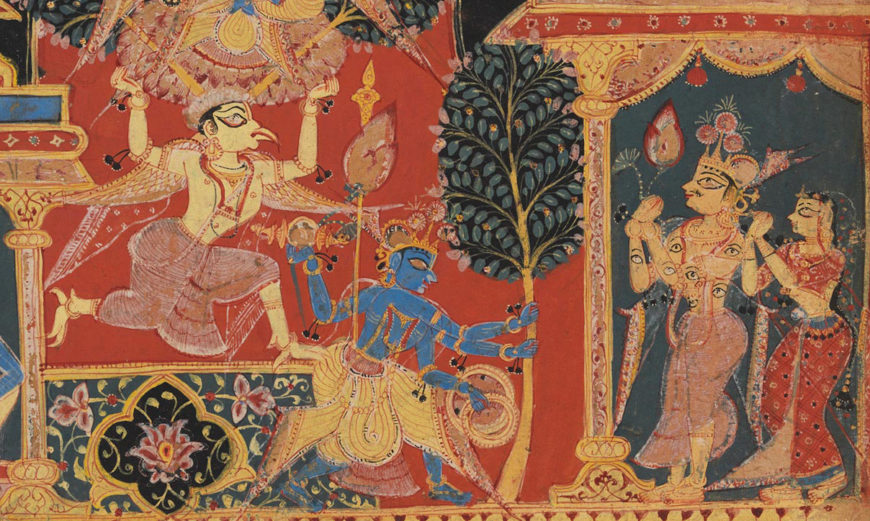
Visions of Paradise in a Global Middle Ages
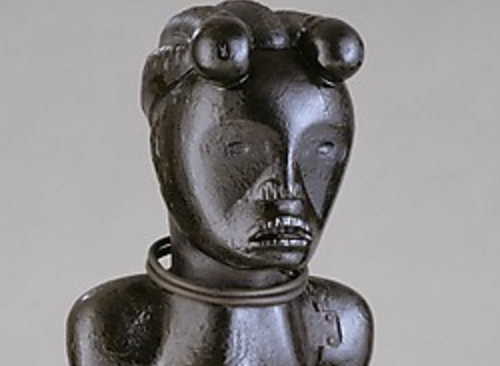
Western appreciation of African art
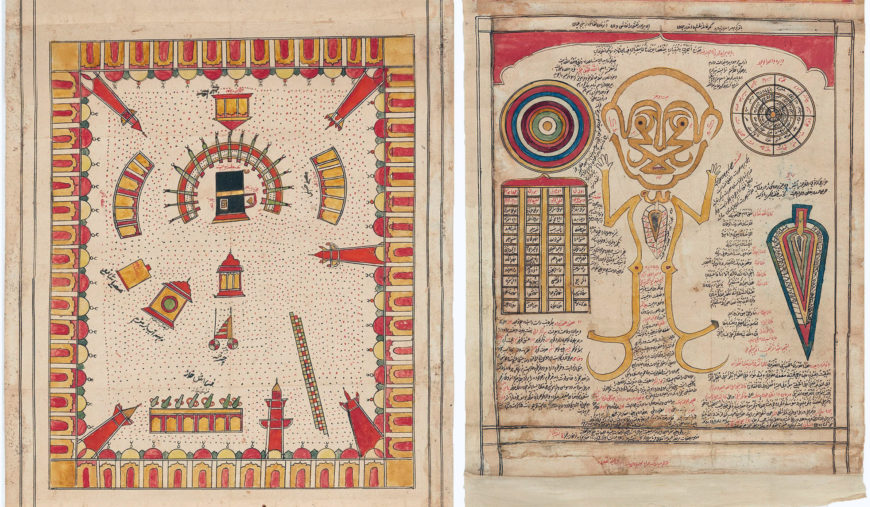
Pilgrimage souvenirs
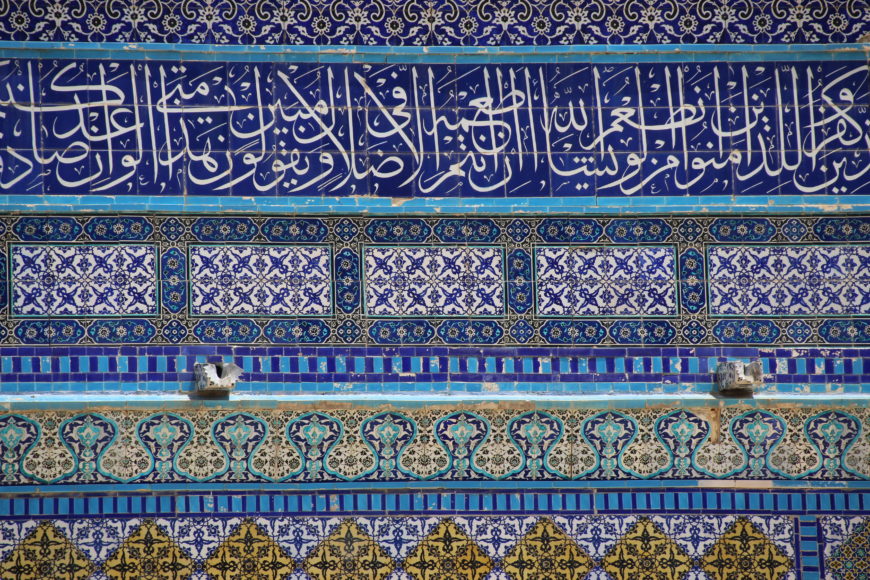
Arts of the Islamic world: The early period
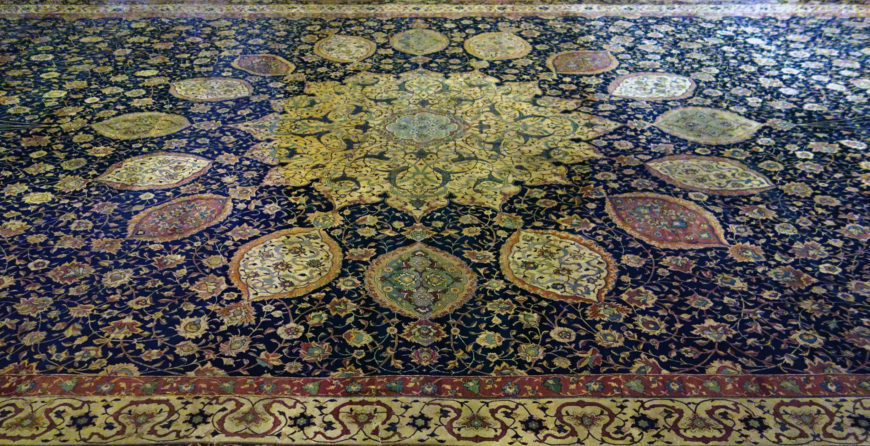
Arts of the Islamic world: The later period
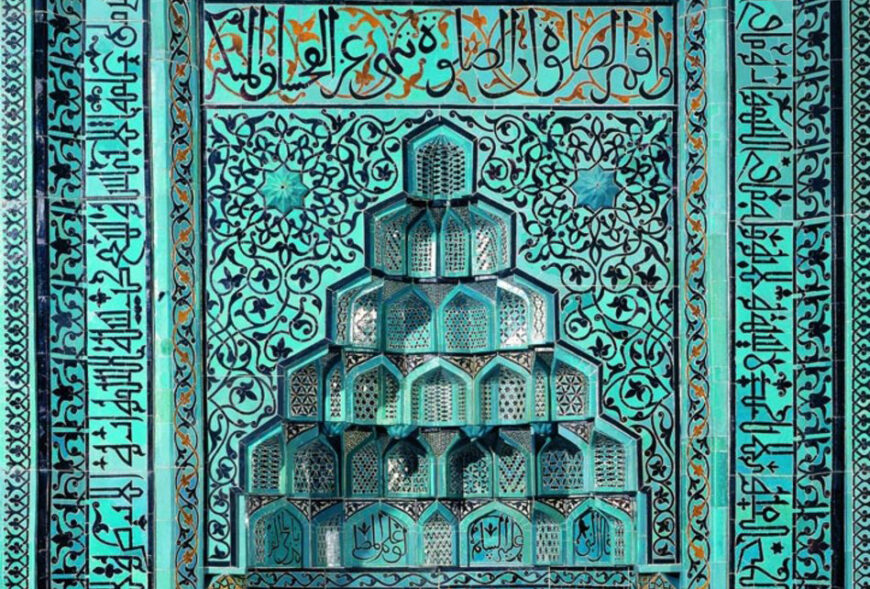
Arts of the Islamic world: The medieval period
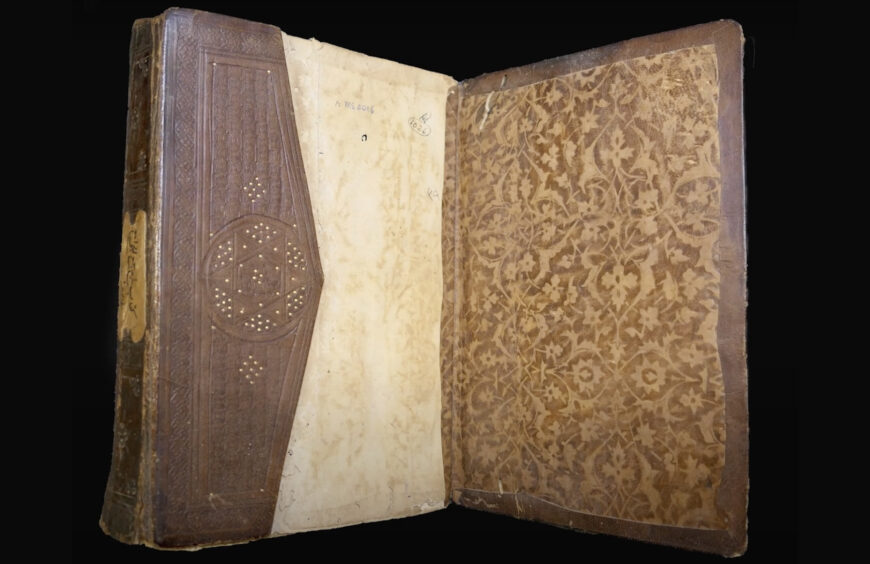
Mamluk bindings
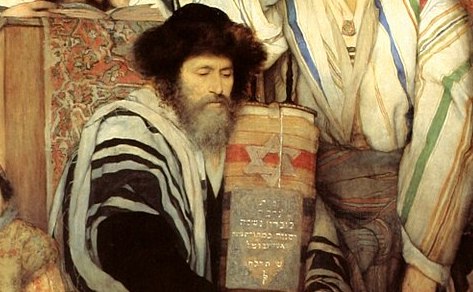
Jewish history 1750 to WW II
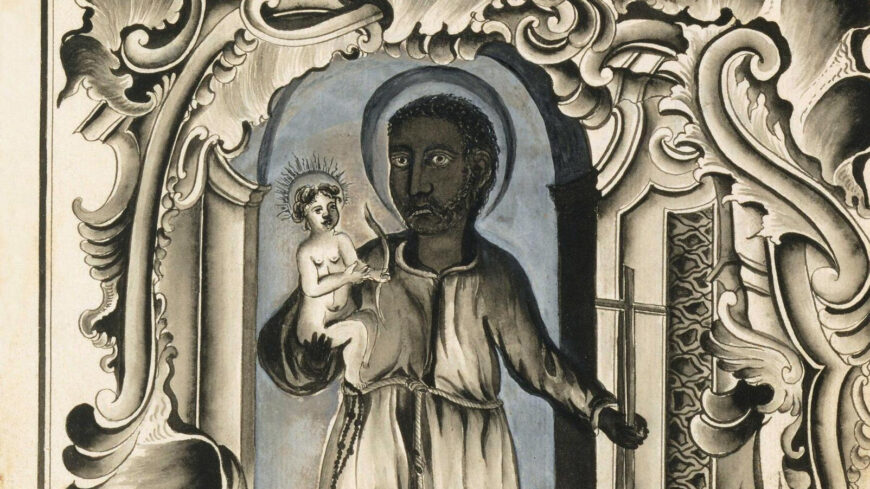
African religious culture in the Atlantic world
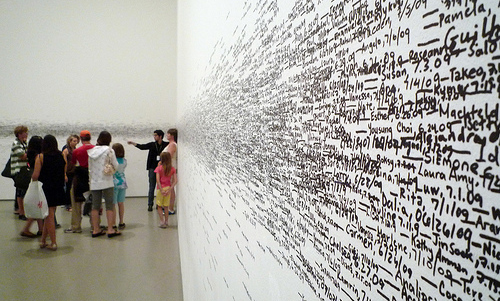
Performance art, an introduction
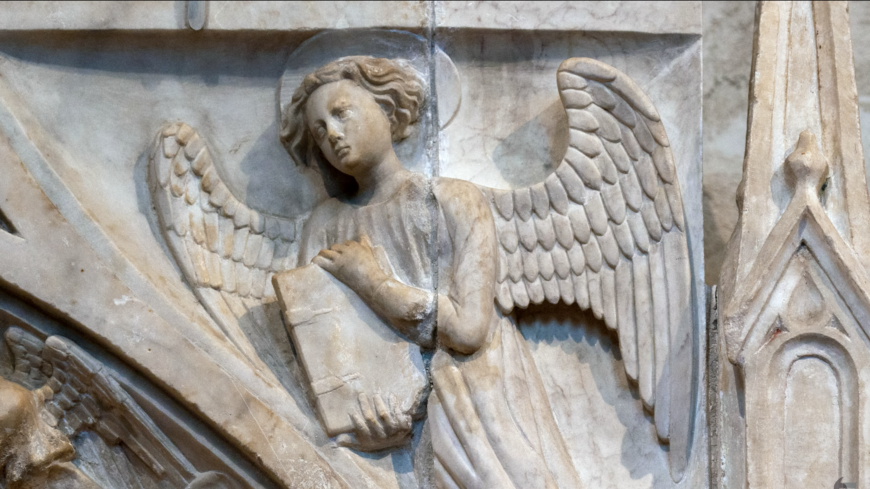
How to recognize the Four Evangelists
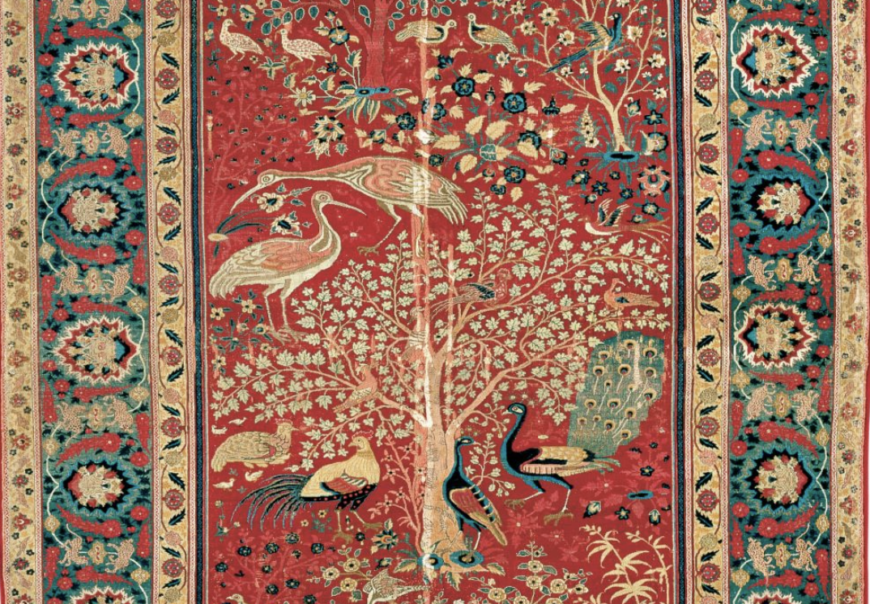
The court carpets of the Ottoman, Safavid, and Mughal empires, an introduction
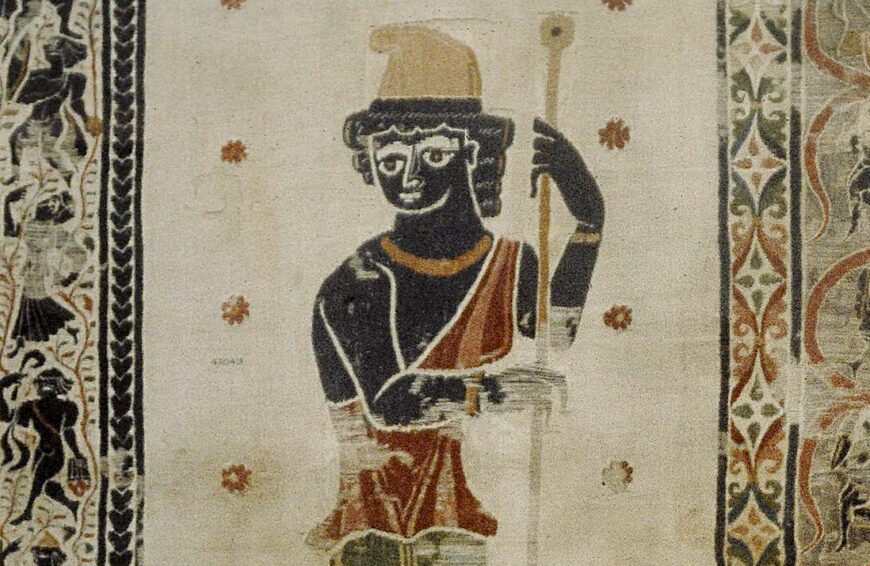
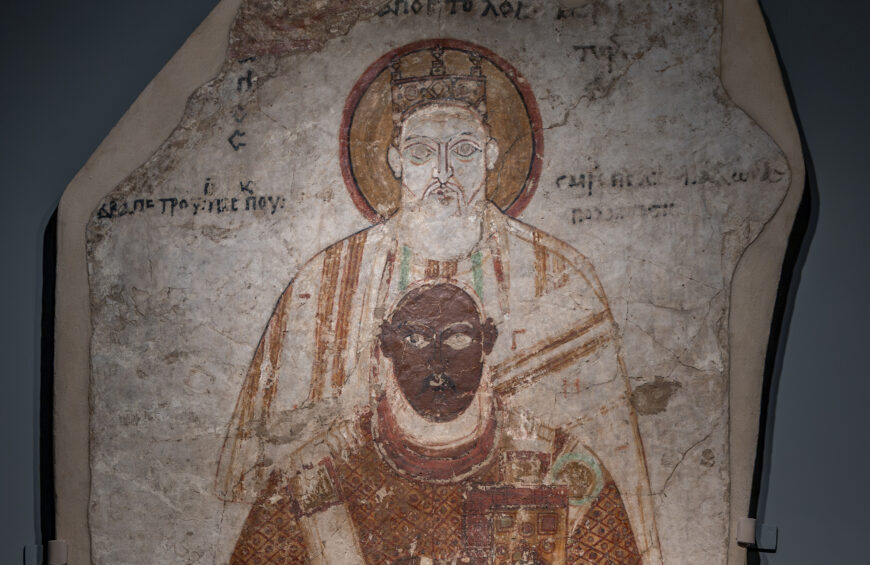
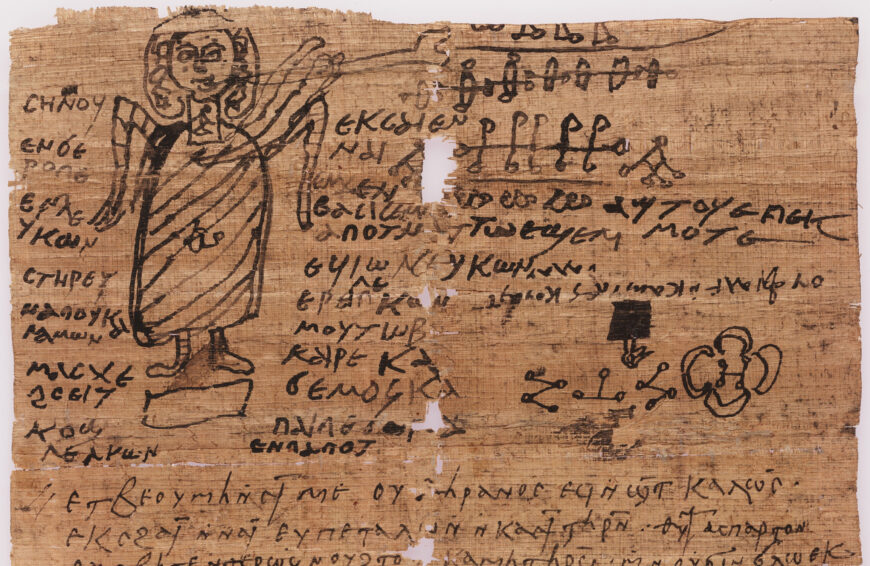
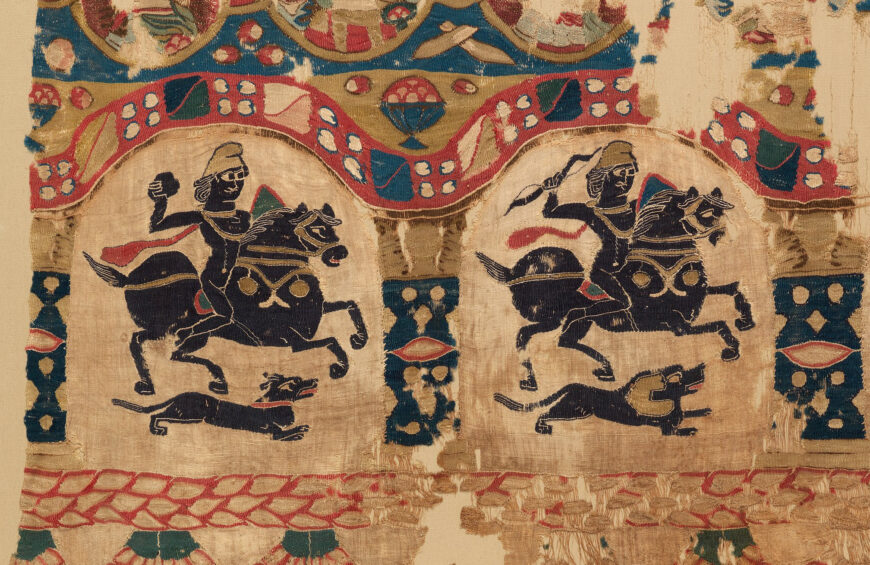
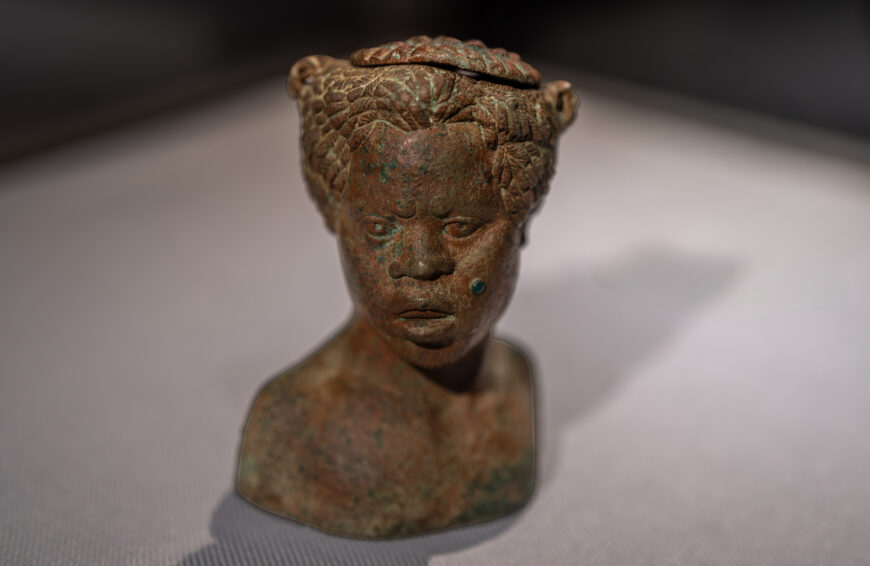
Reimagining Africa’s place in Byzantine art history

The complex geometry of Islamic design
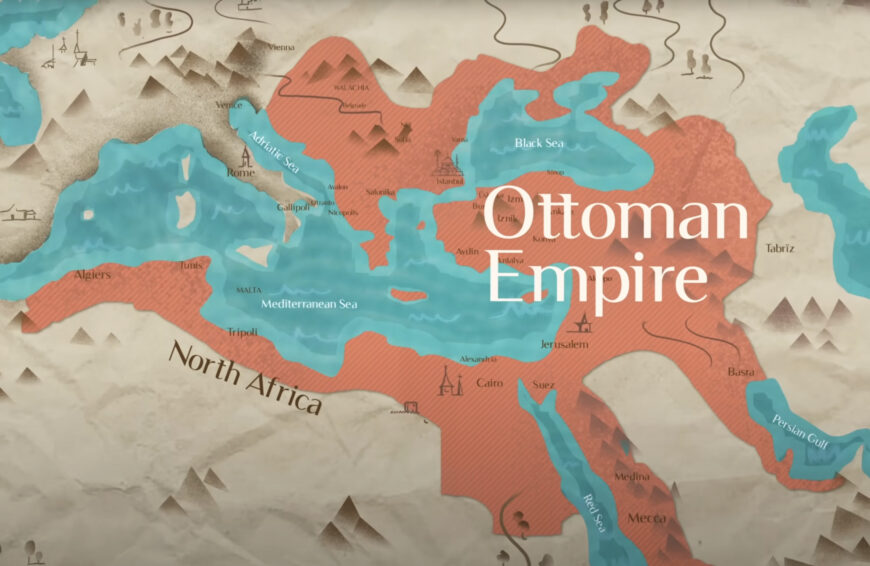
The fall of the Ottoman Empire
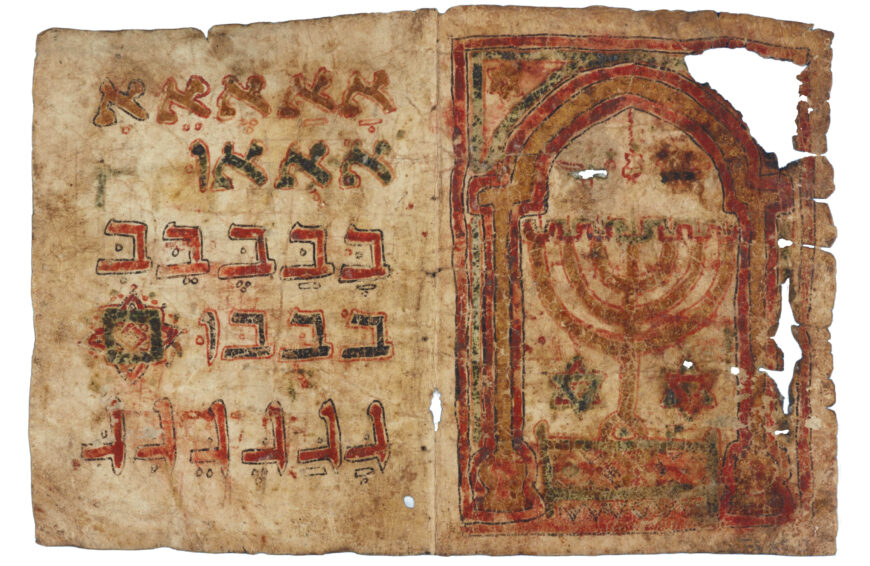
The Cairo Geniza: medieval preservation and reuse
Timeline
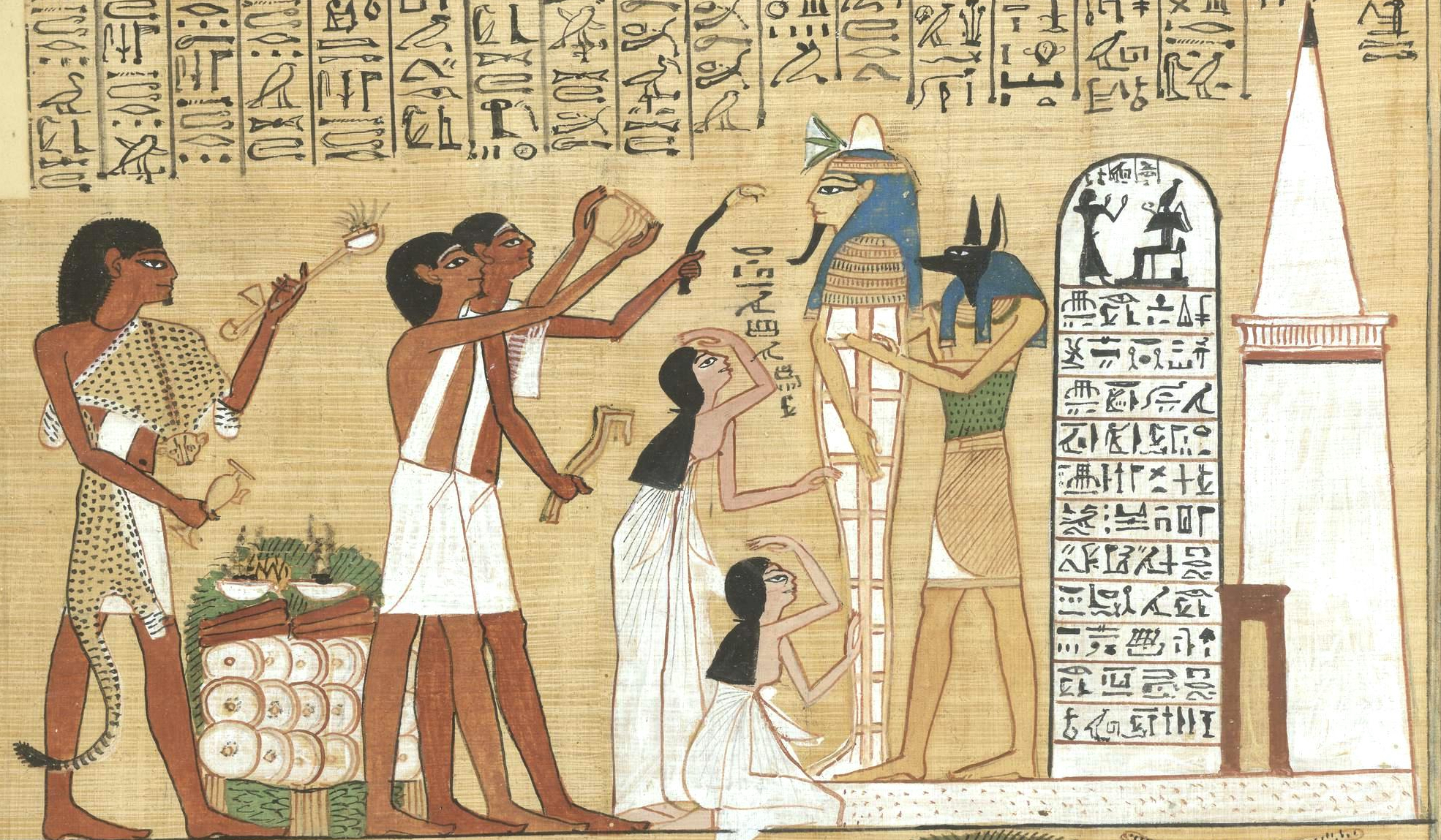
Book of the Dead of Hunefer, c. 1275 B.C.E. (19th Dynasty), painted papyrus, 45.7 x 83.4 cm (Thebes, Egypt; © The Trustees of the British Museum, London)
Works of Art



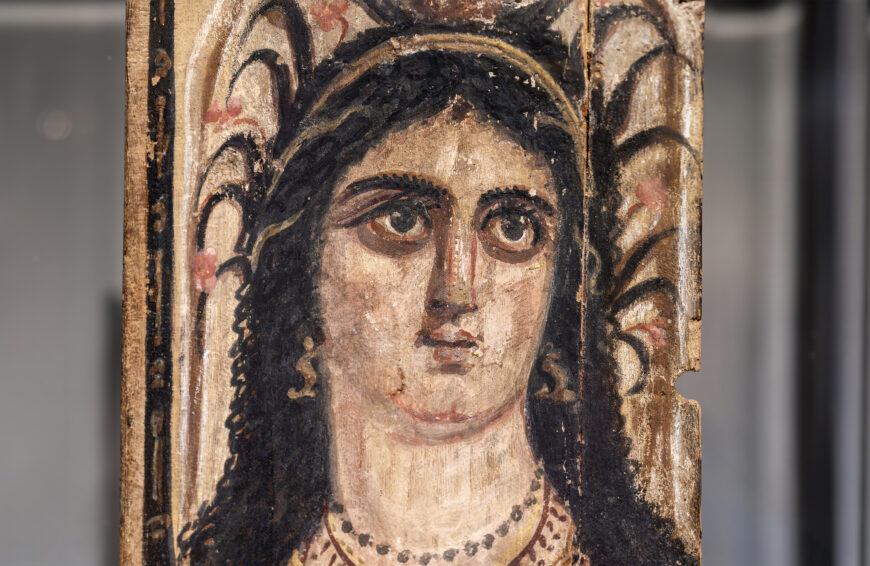

Artists
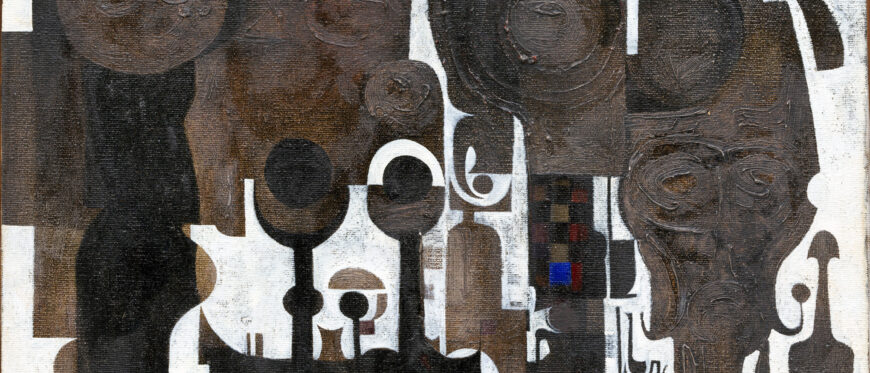
Ibrahim El-Salahi, The Mosque, 1964, oil on canvas (MoMA) Ibrahim El-Salahi, The Mosque, 1964, oil on canvas (MoMA) © Ibrahim El-Salahi
Periods, Cultures, Styles
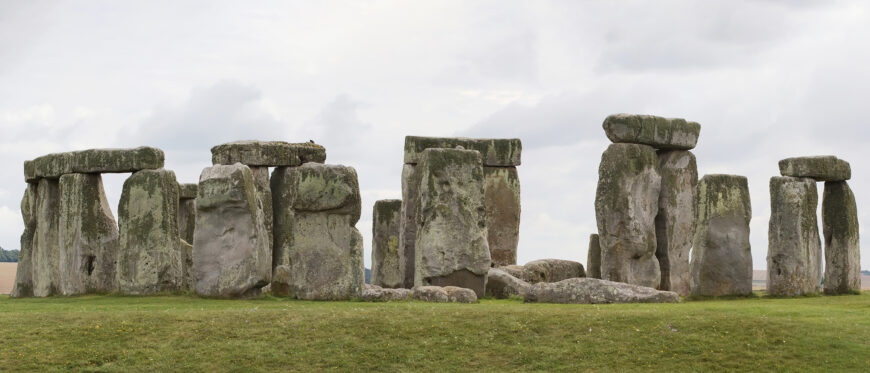
Prehistoric
before 2000 B.C.E.
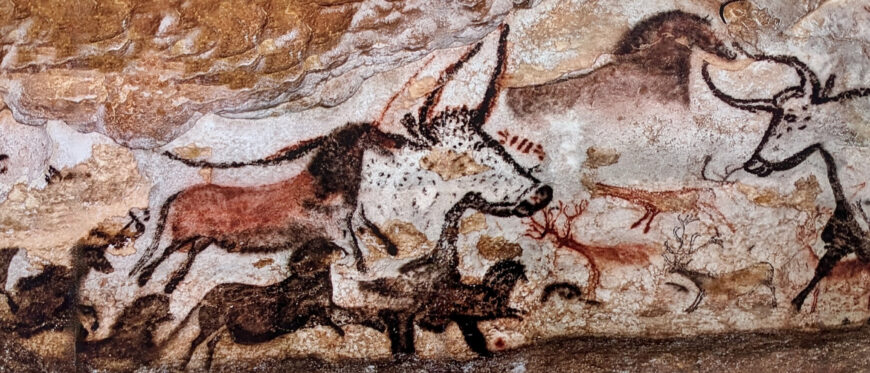
Paleolithic
before 10,000 B.C.E.
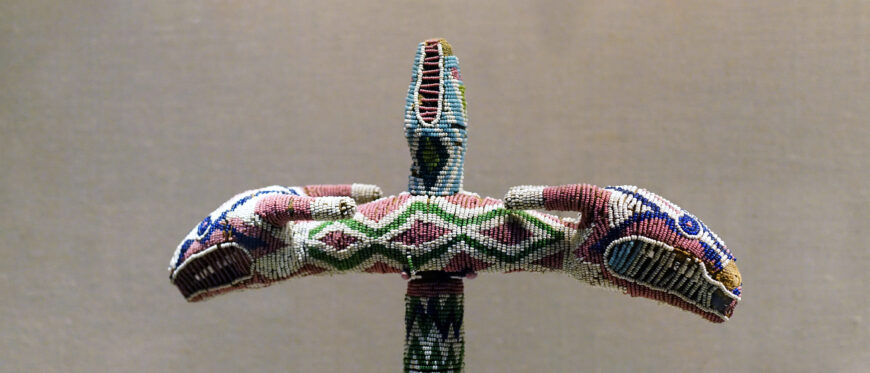
Grassfields region
to today
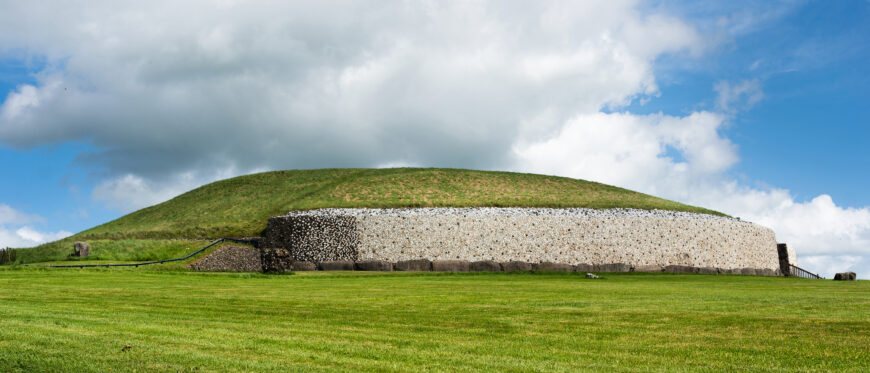
Neolithic
c. 10,000–2000 B.C.E.
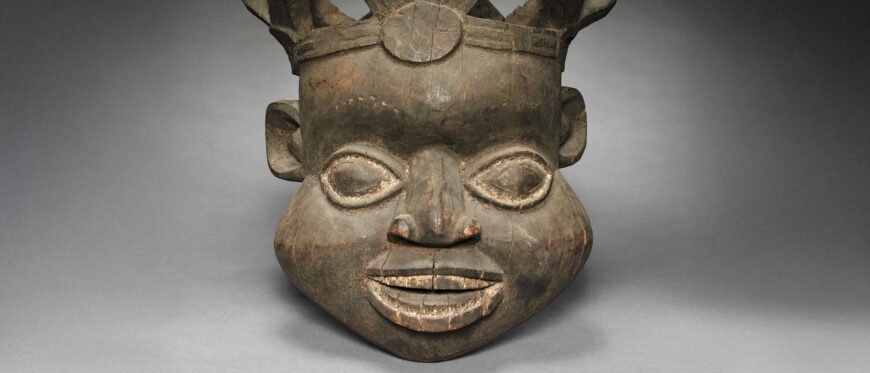
Bamum
to today
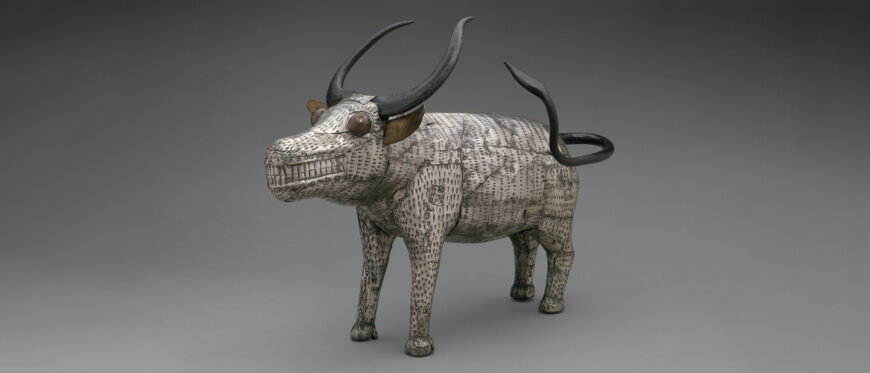
Fon
to today
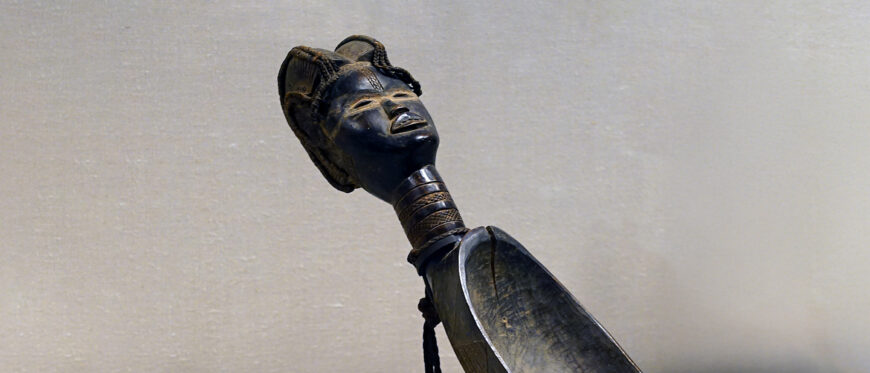
We peoples
to today
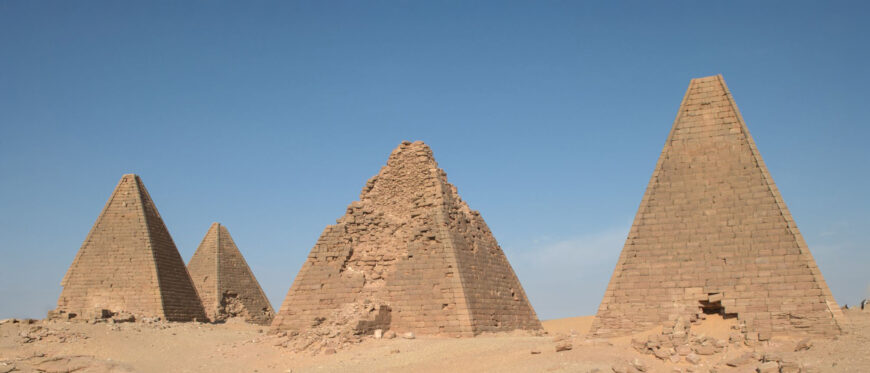
Nubian
c. 7000 B.C.E.–today
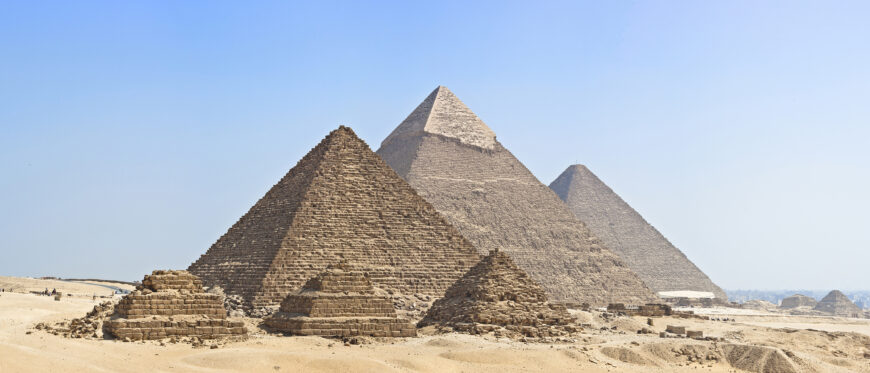
Ancient Egyptian
c. 5000 B.C.E.–395 C.E.
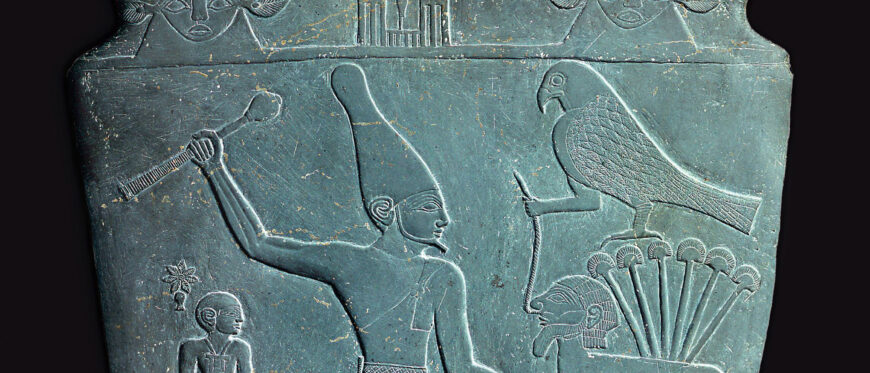
Predynastic
c. 5000–3000 B.C.E.
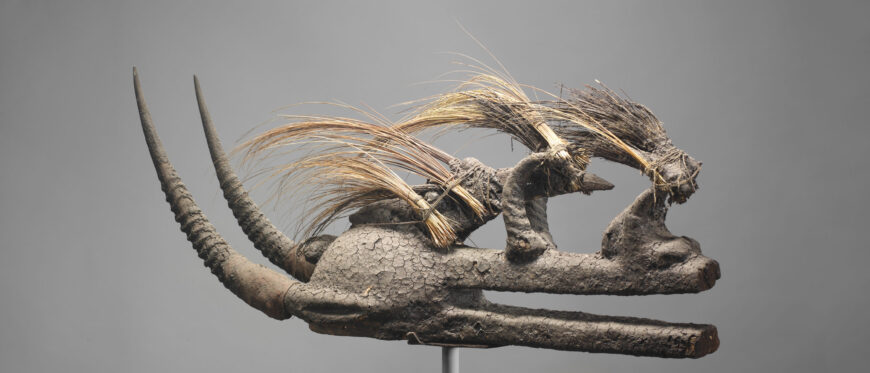
Bamana
to today
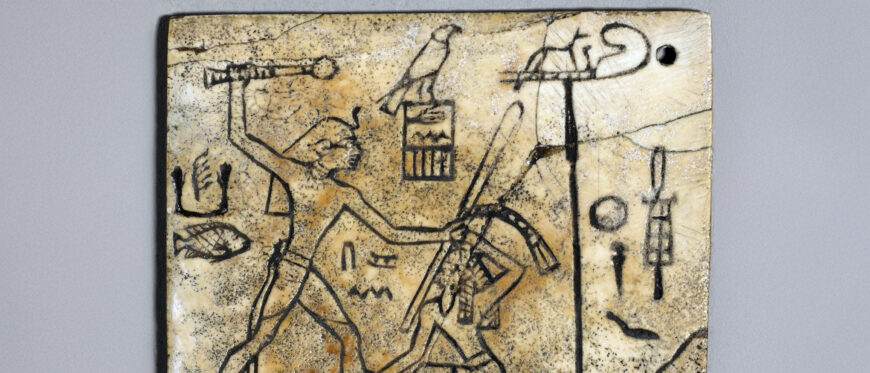
Early Dynastic
c. 3000–2686 B.C.E.
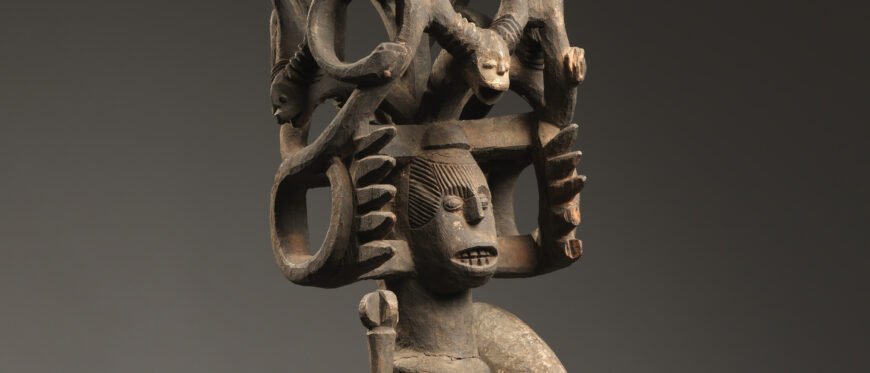
Igbo/Ibo
to today
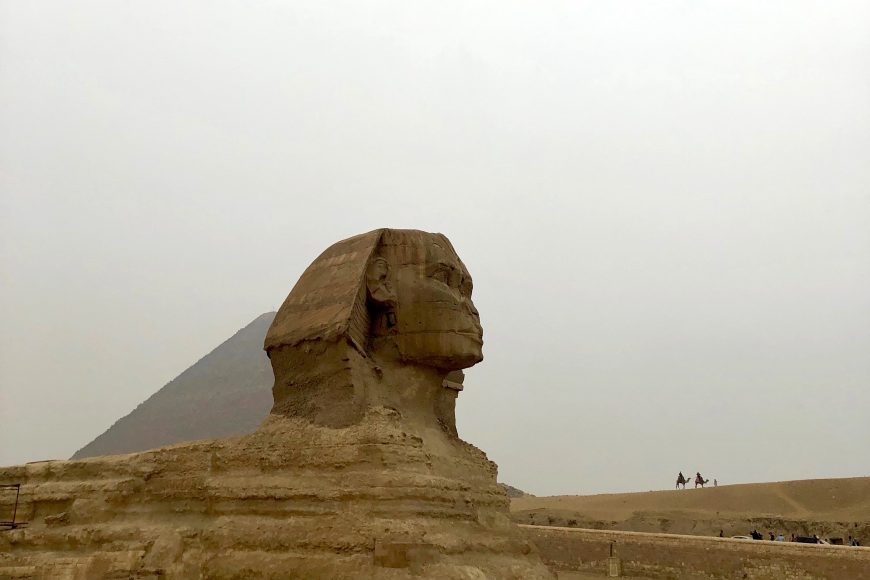
Old Kingdom
c. 2649–2150 B.C.E.
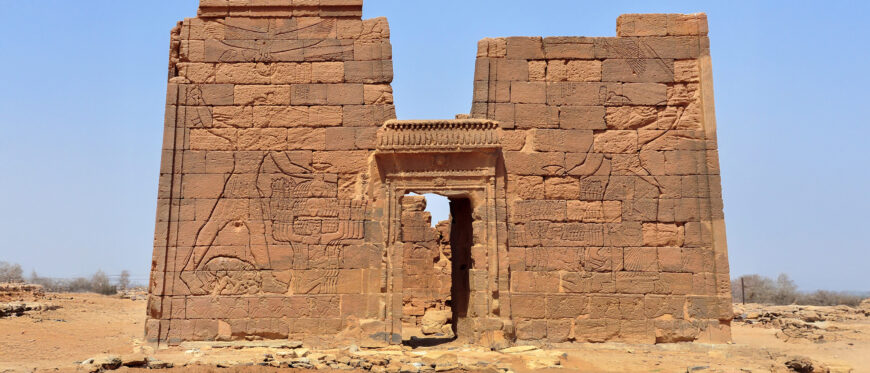
Ancient Nubian
c. 2500 B.C.E.– 360 C.E.
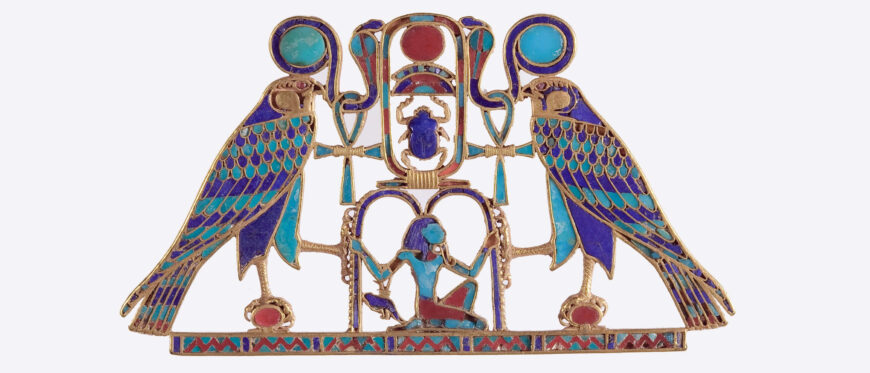
Middle Kingdom
c. 2030–1640 B.C.E.
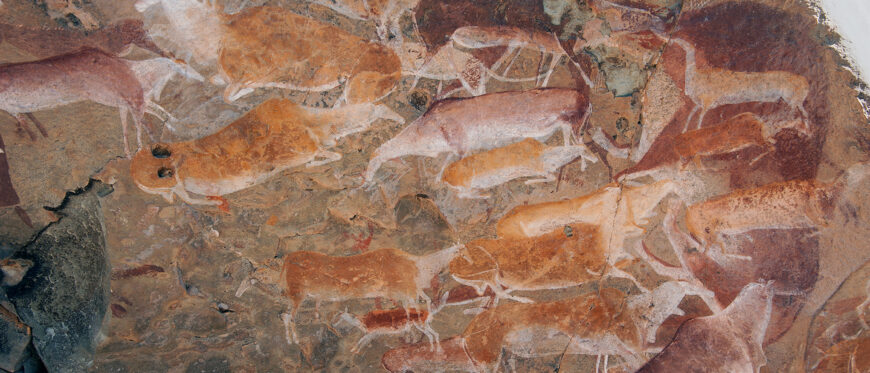
San
to today
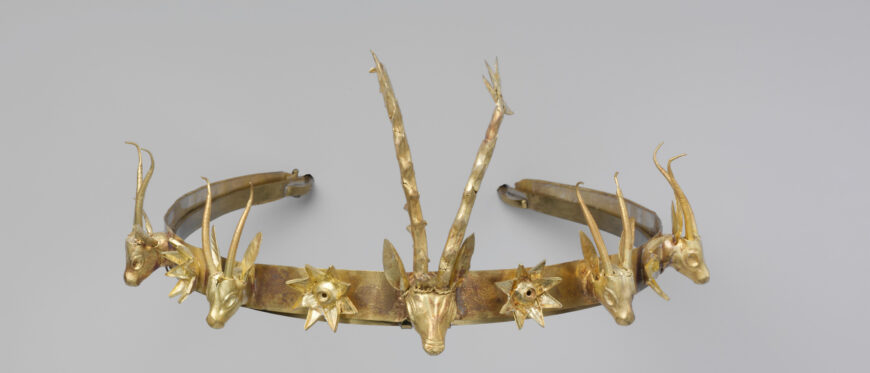
Second Intermediate Period
c. 1640–1530 B.C.E.
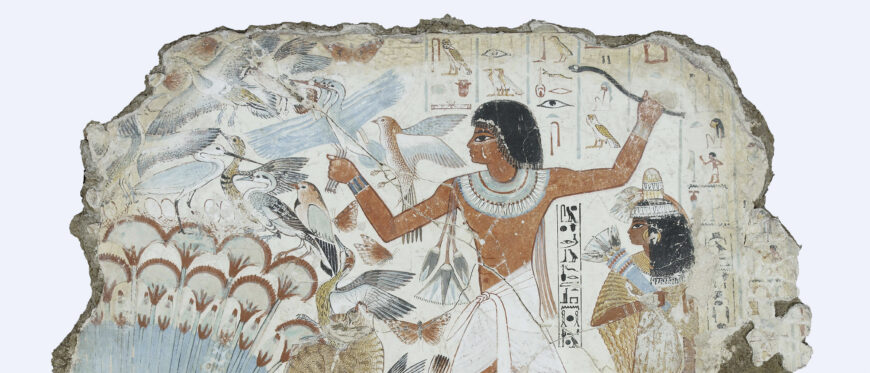
New Kingdom
c. 1550–1070 B.C.E.
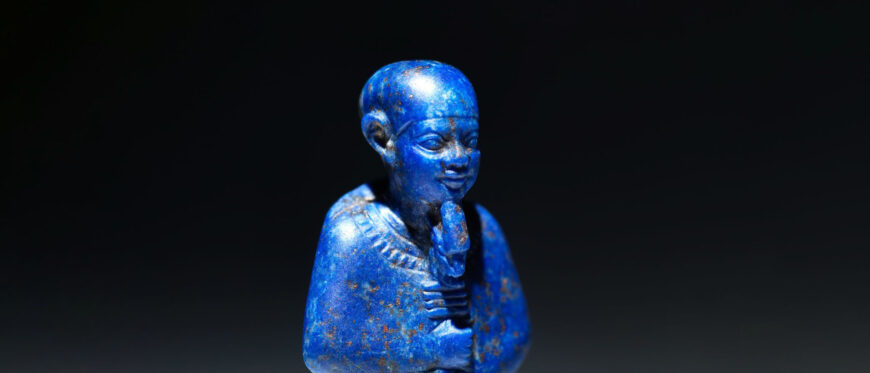
Third Intermediate Period
c. 1070–713 B.C.E.
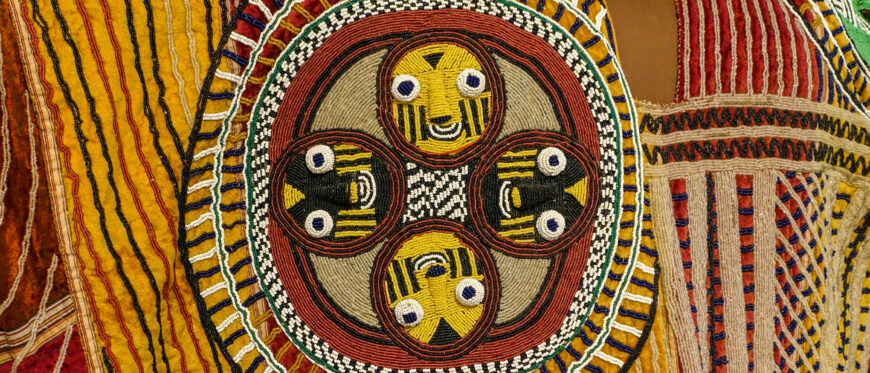
Yoruba
to today
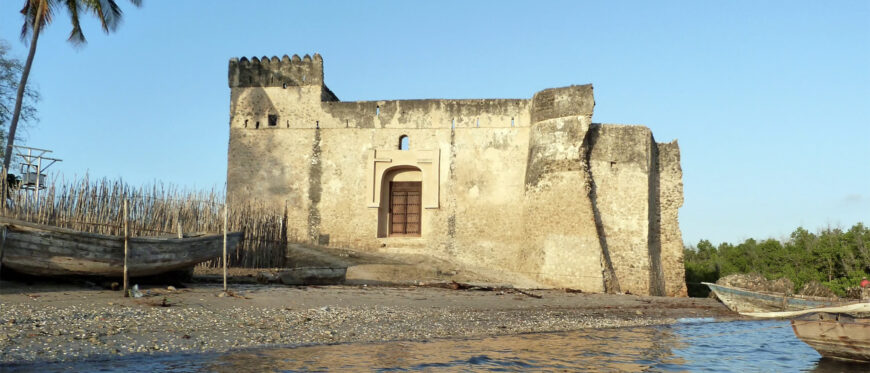
Swahili
to today
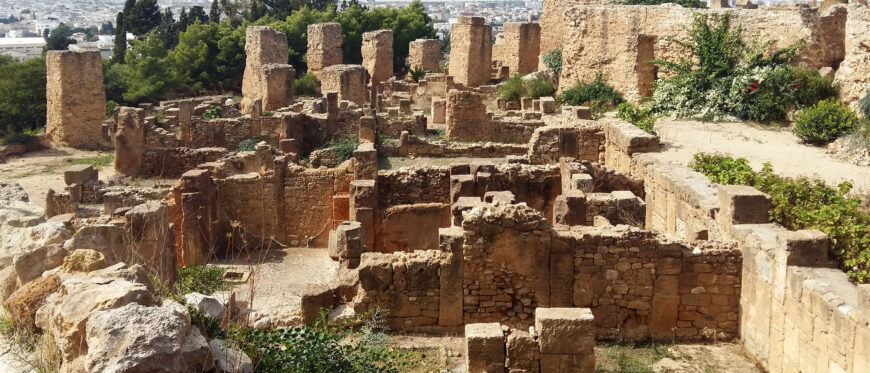
Punic
900–146 B.C.E.
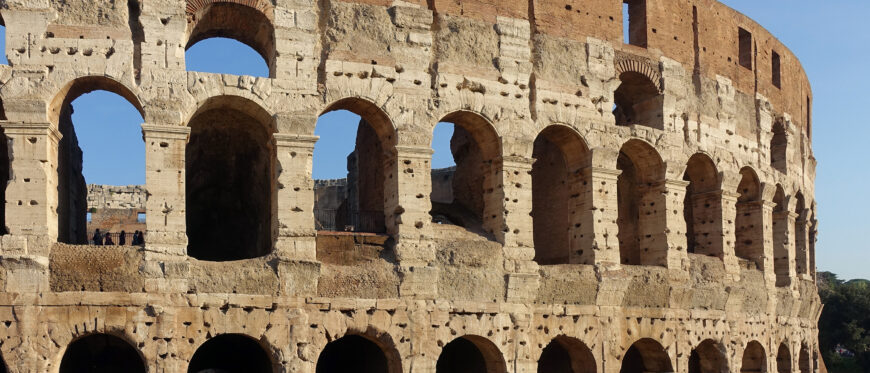
Ancient Roman
c. 753 B.C.E.–410 C.E.
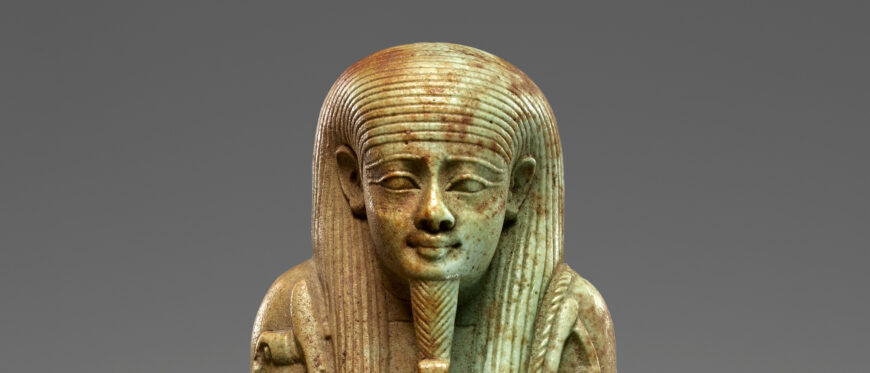
Late Period (Ancient Egyptian)
c. 713–332 B.C.E.
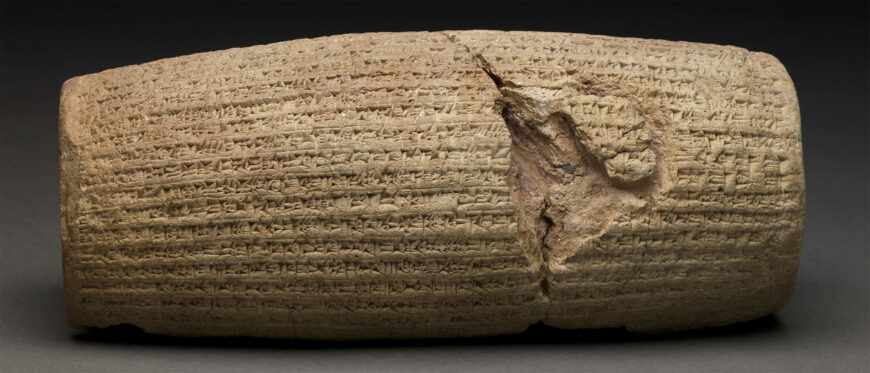
Persian (Achaemenid Empire)
c. 550–330 B.C.E.
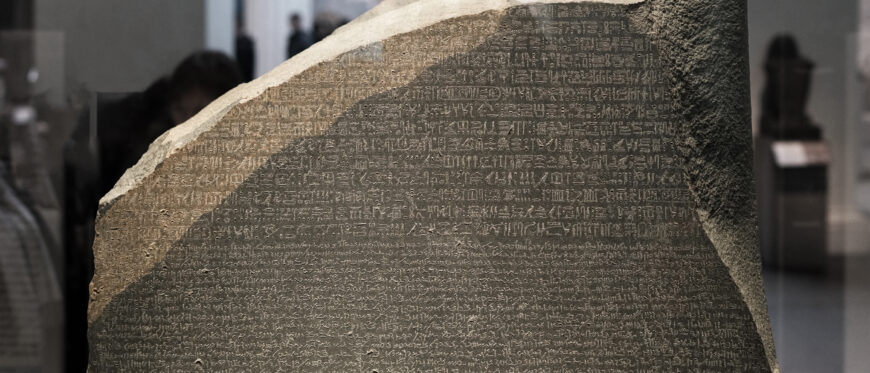
Ptolemaic period
332–30 B.C.E.
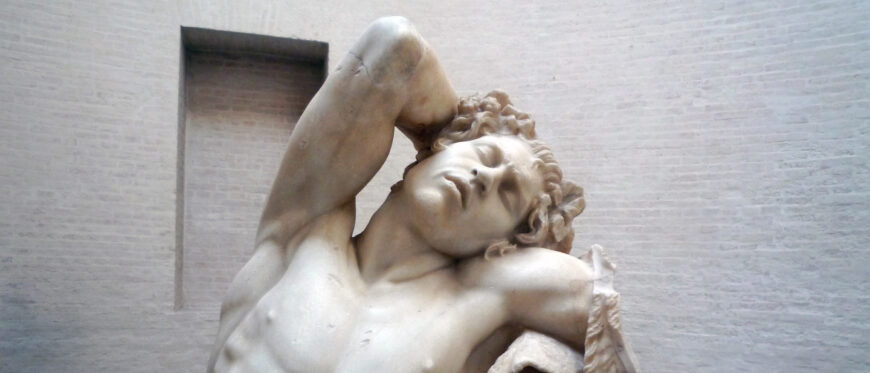
Hellenistic
323–31 B.C.E.

Aksumite
c. 100 B.C.E.–1000 C.E.
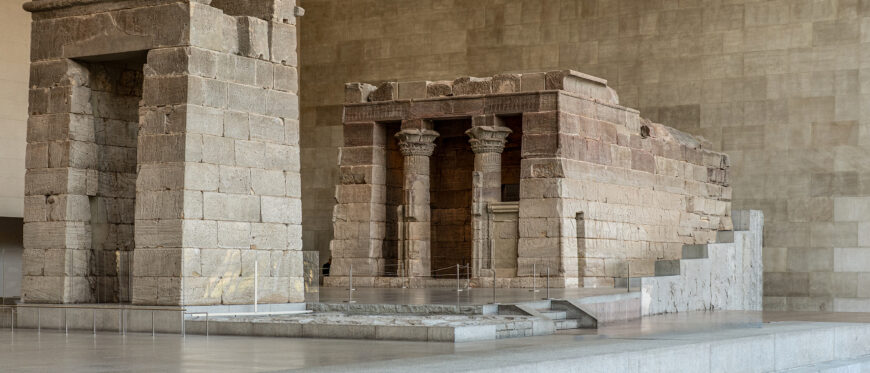
Roman Period (Ancient Egyptian)
c. 30 B.C.E.–395 C.E.
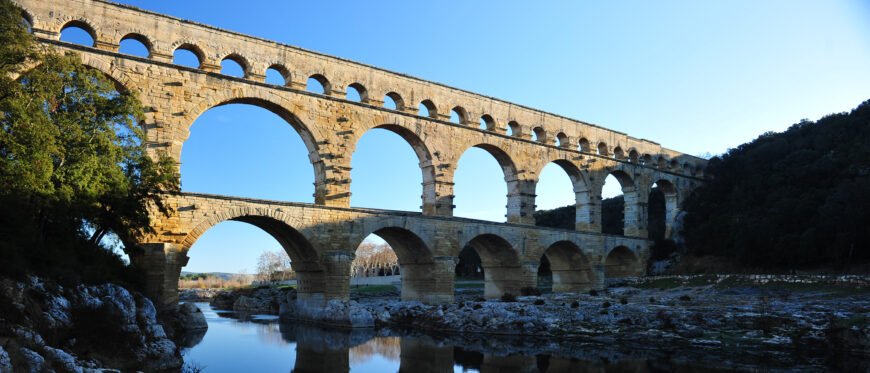
Early Roman Empire
c. 27 B.C.E.–117 C.E.
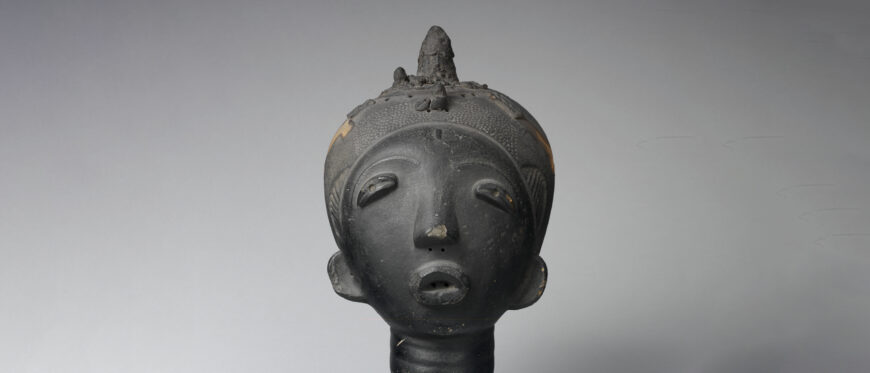
Akan
to today
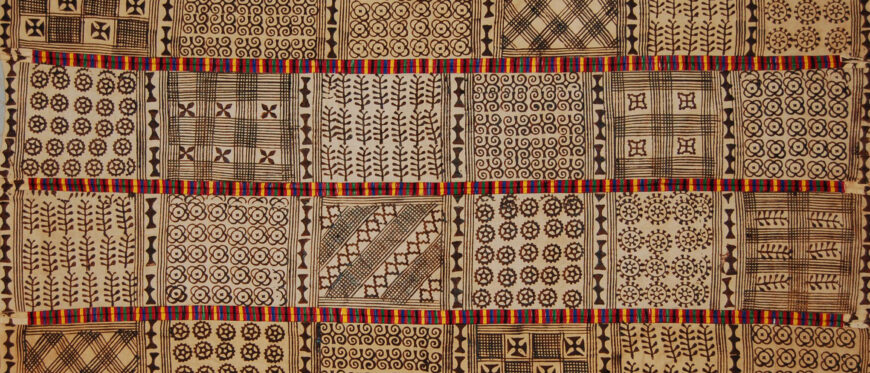
Asante
to today
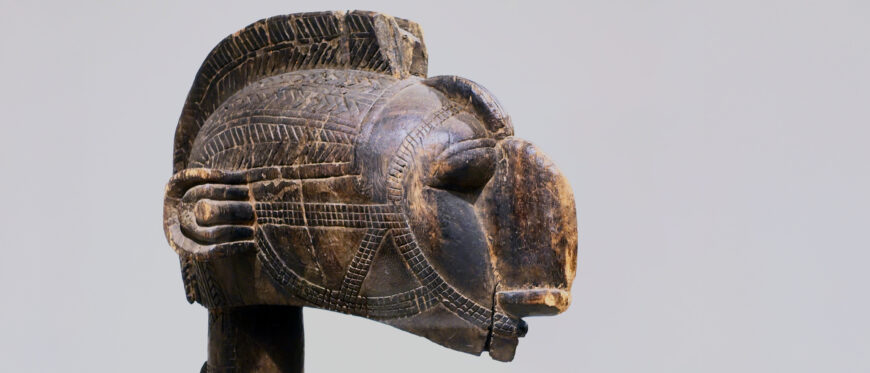
Baga
to today
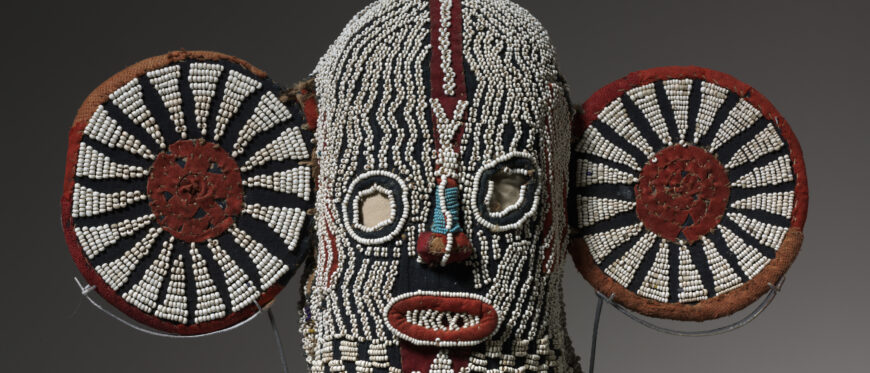
Bamileke
to today
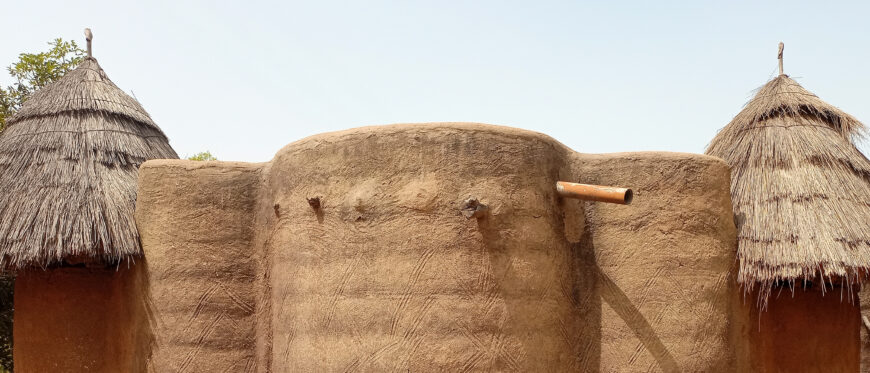
Batammariba
to today

Bangwa
to today
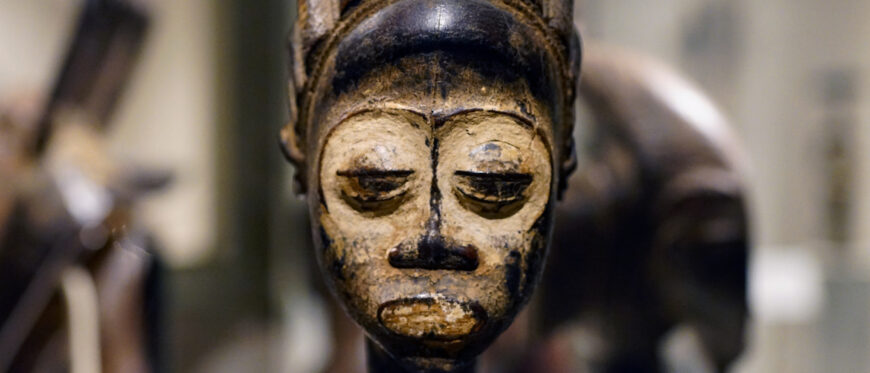
Baule
to today

Bwa
Origins are not well understood—to today
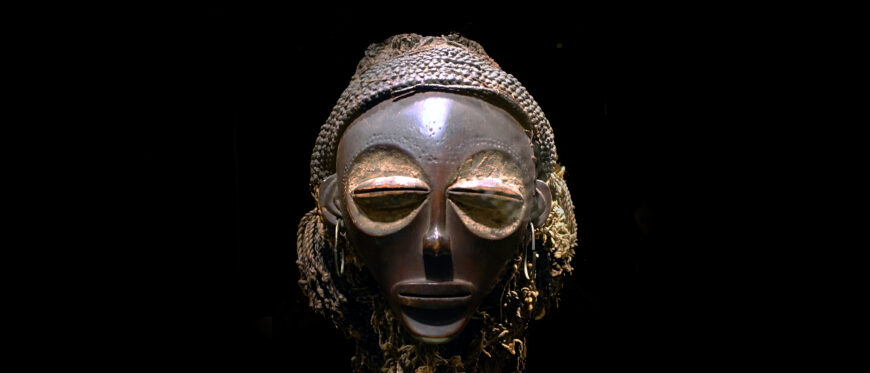
Chokwe
to today
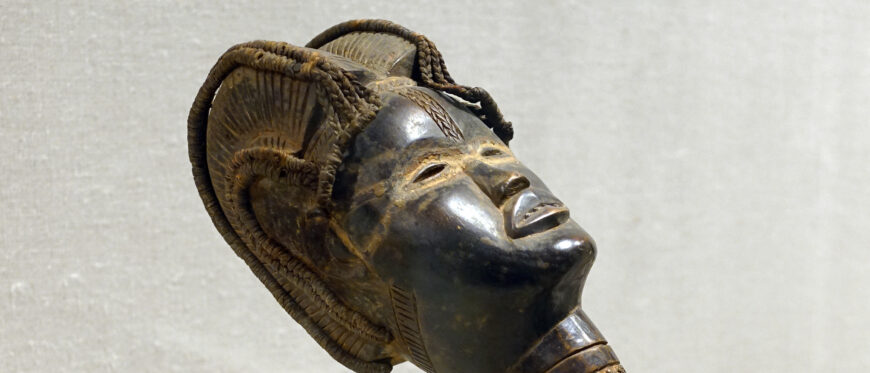
Dan
to today
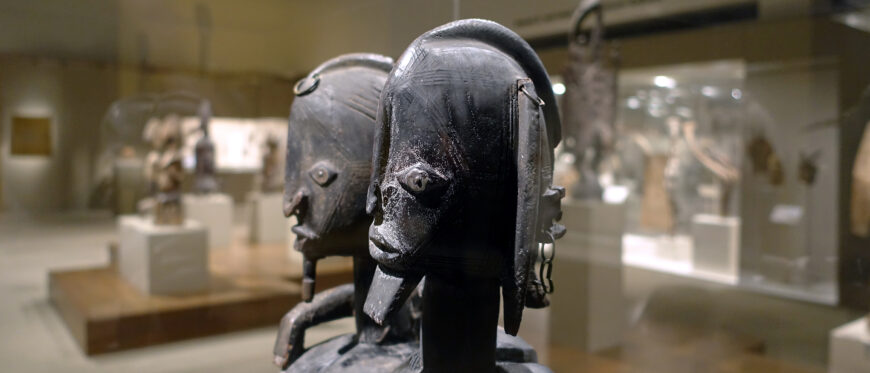
Dogon
to today
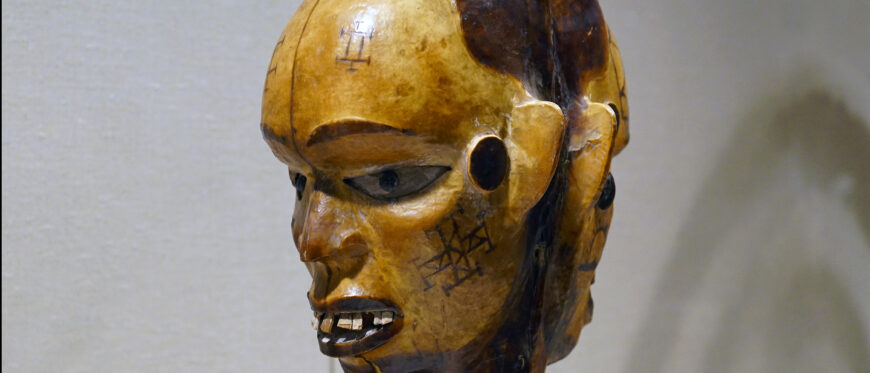
Ejagham
to today

Ewe
to today
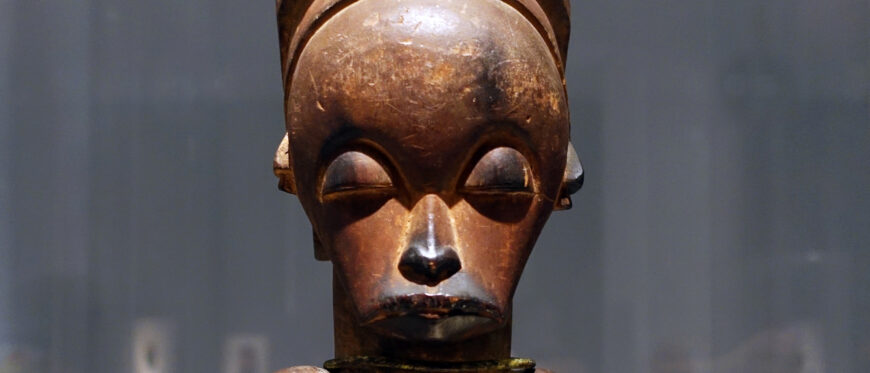
Fang
to today
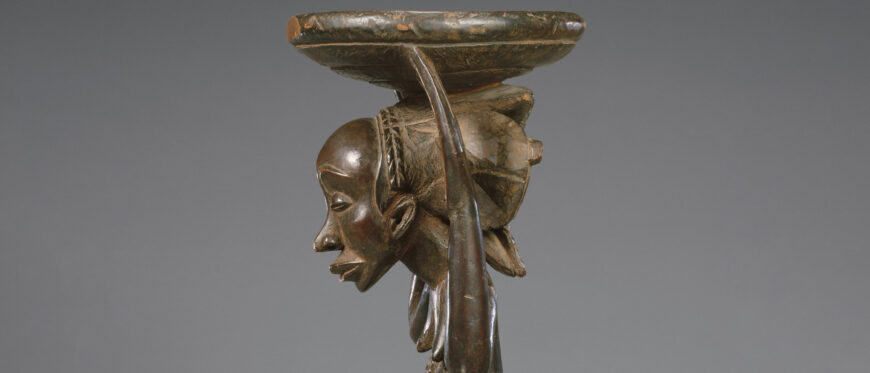
Hemba
to today

Kisi
to today

Kongo
to today
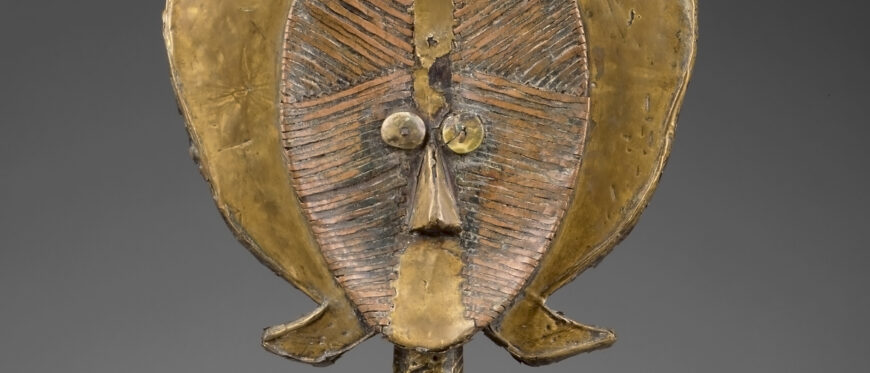
Kota
to today
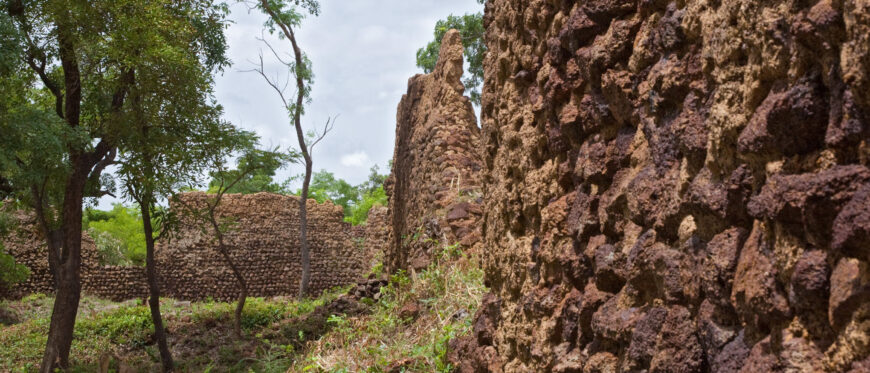
Koulango
to today
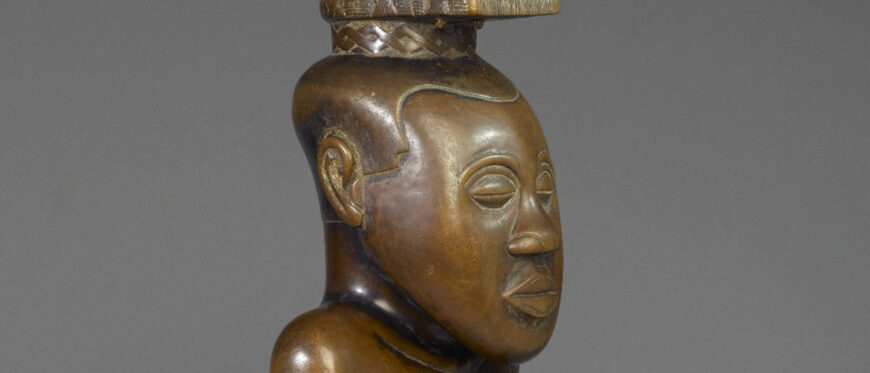
Kuba
to today
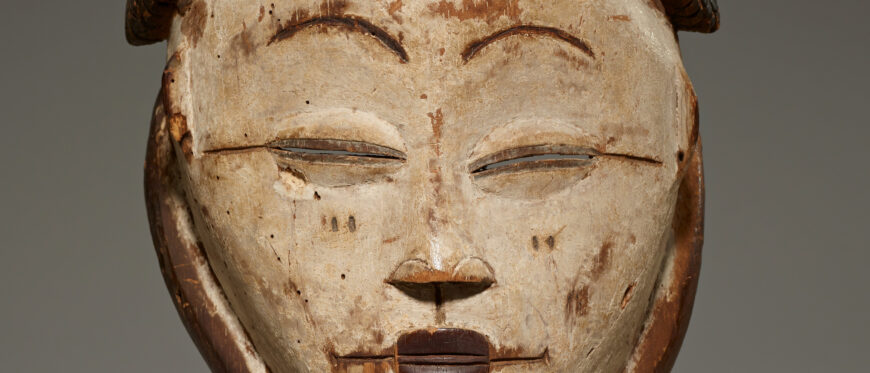
Lumbo
to today
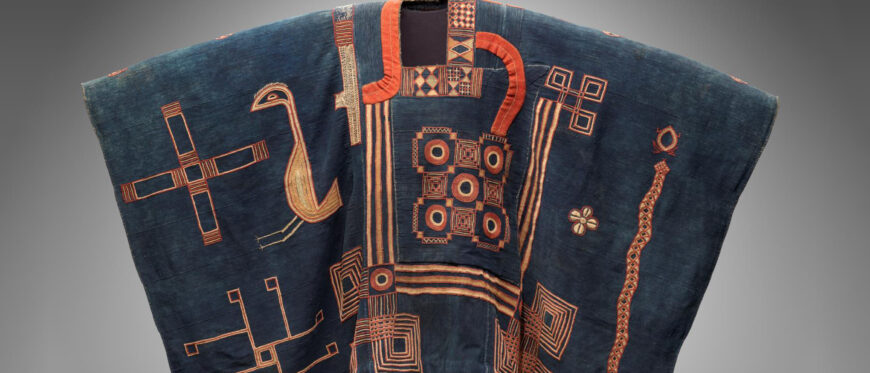
Mandinka
to today

Mangbetu
to today
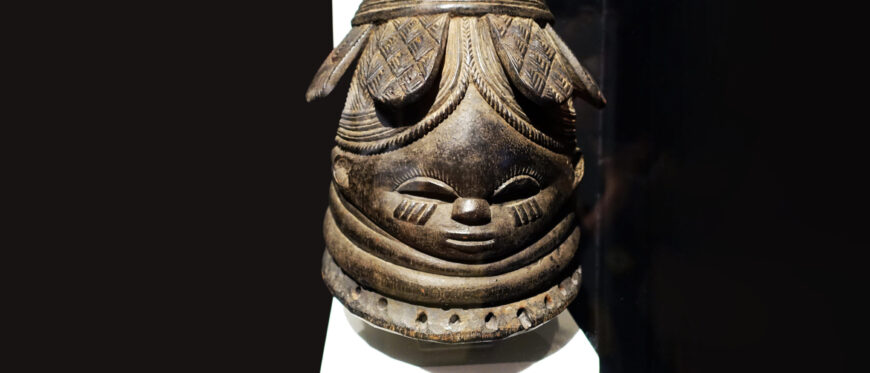
Mende
to today
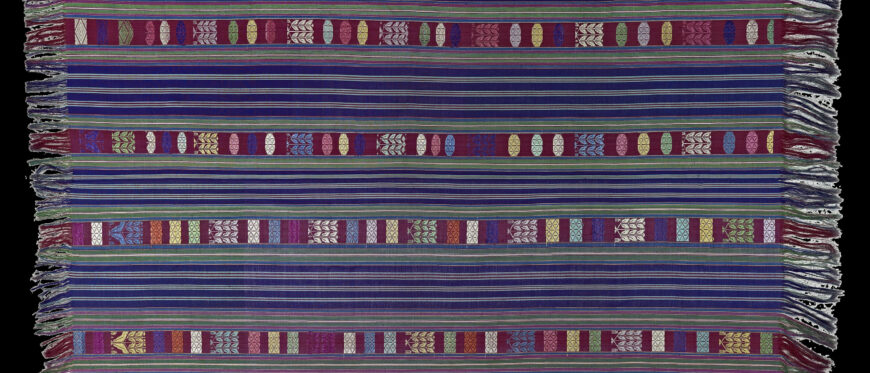
Merina
to today

Ndebele
to today

Senufo
to today
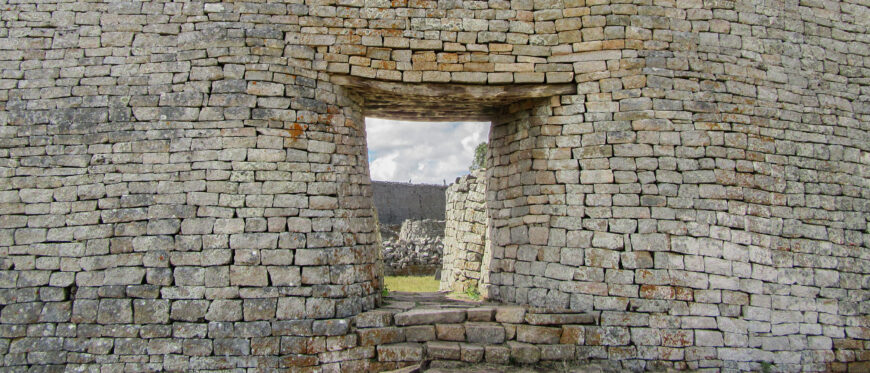
Shona
to today
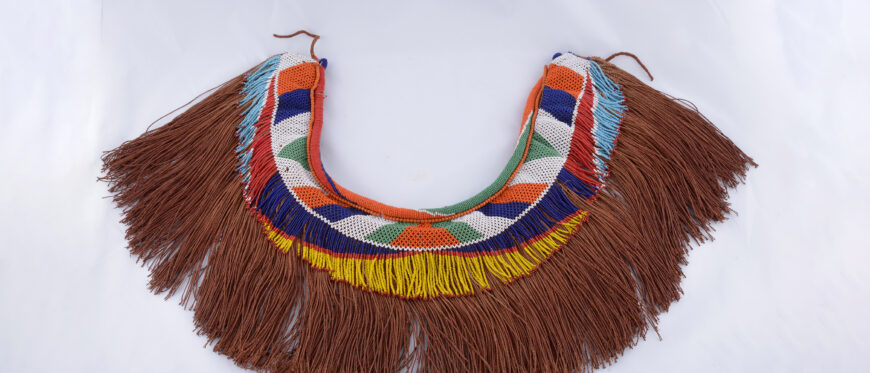
Southern Sotho
to today
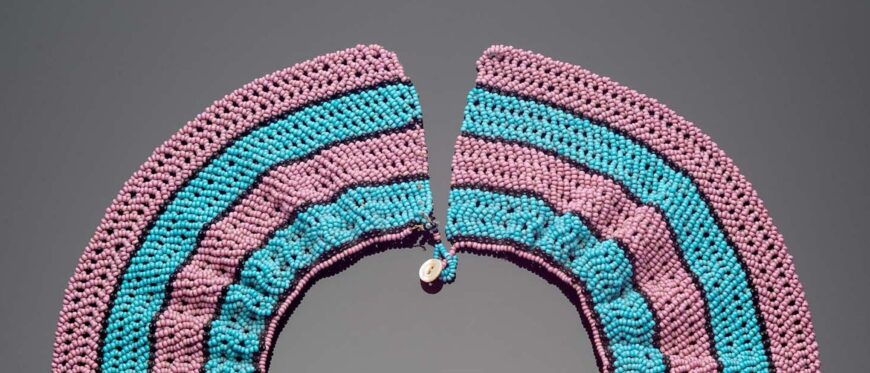
Xhosa
to today
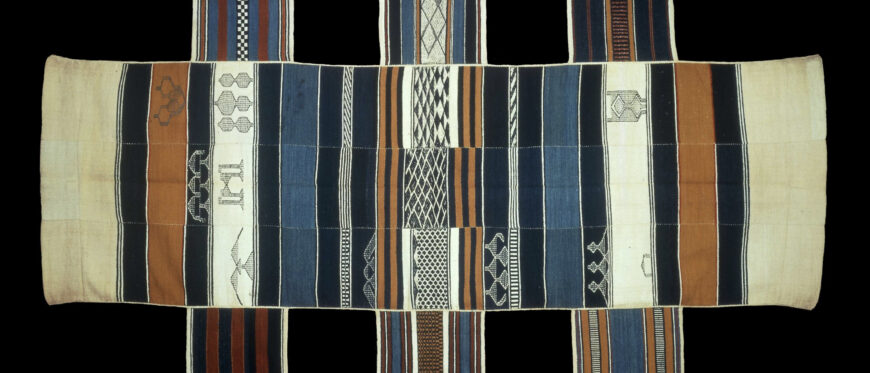
Vai
to today
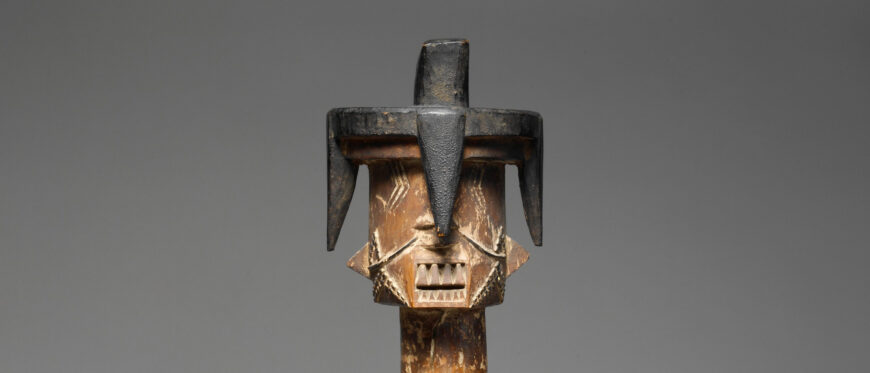
Western Ijo
to today
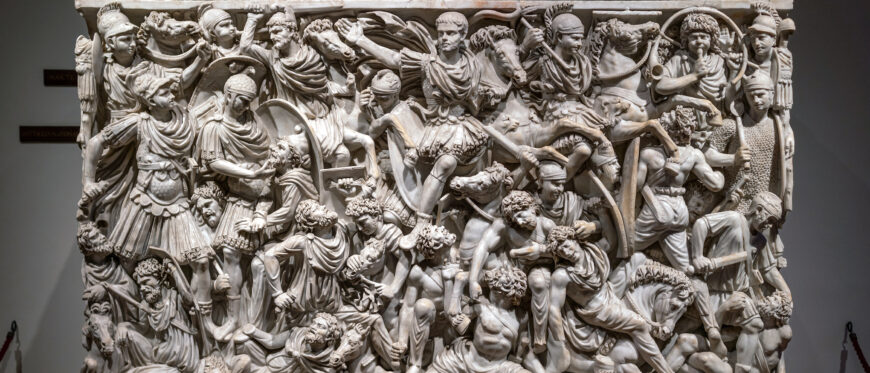
Middle Roman Empire
c. 117–235 C.E.
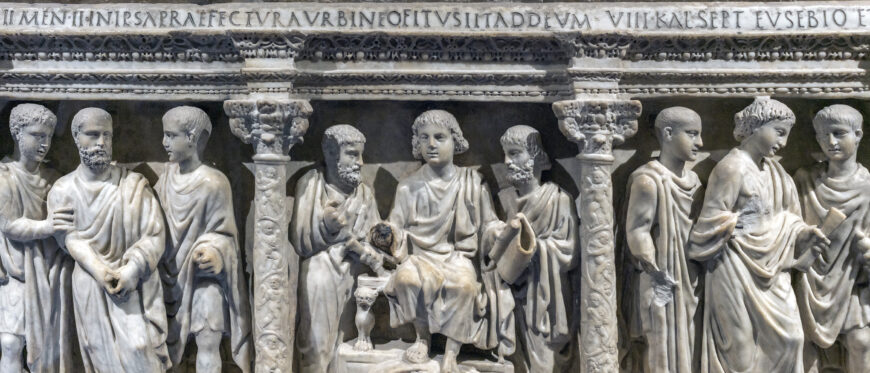
Early Christian
c. 150–700
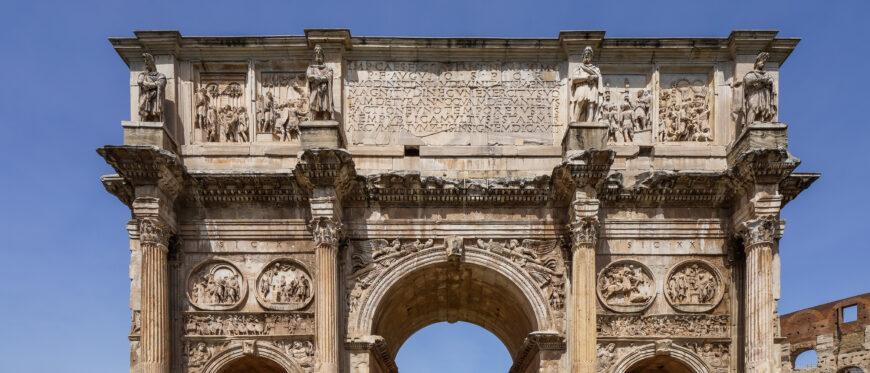
Late Roman Empire
c. 235–410 C.E.
Coptic Period
c. 4th–7th century
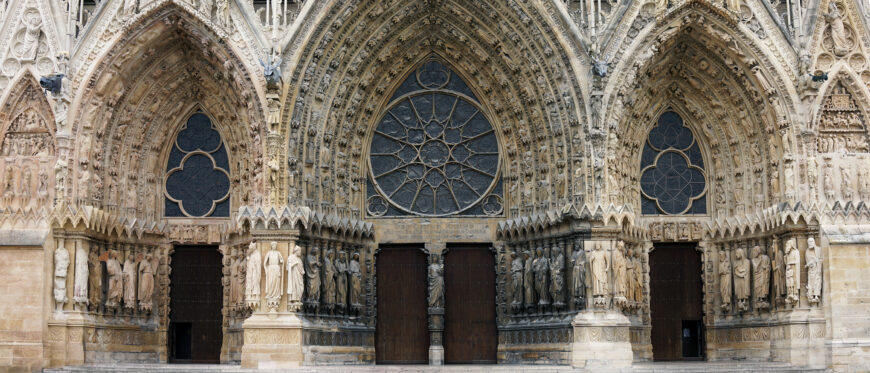
Medieval
c. 330–1453
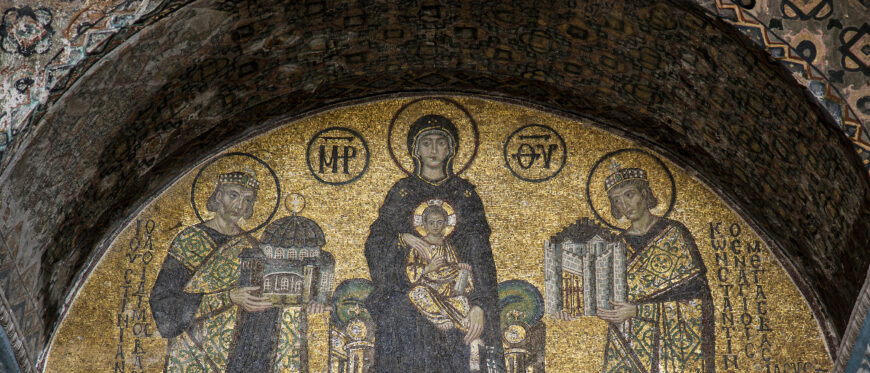
Byzantine
c. 330–1453
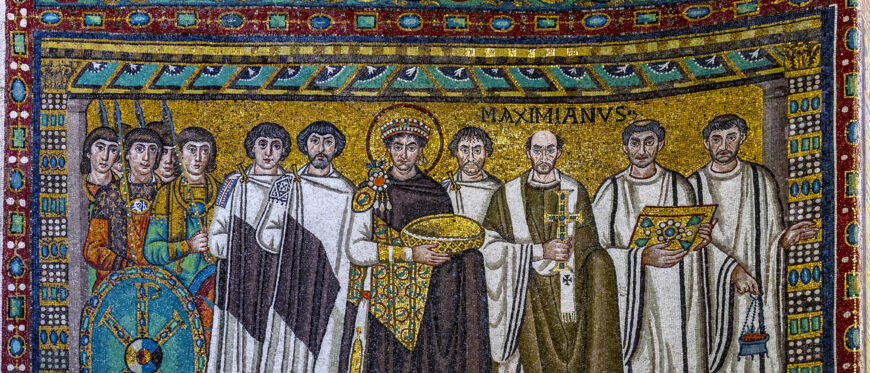
Early Byzantine
c. 330–843
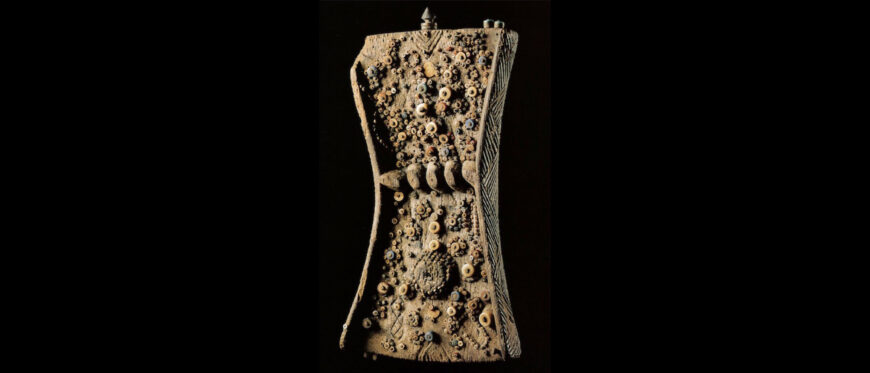
Luba
c. 5th century to today
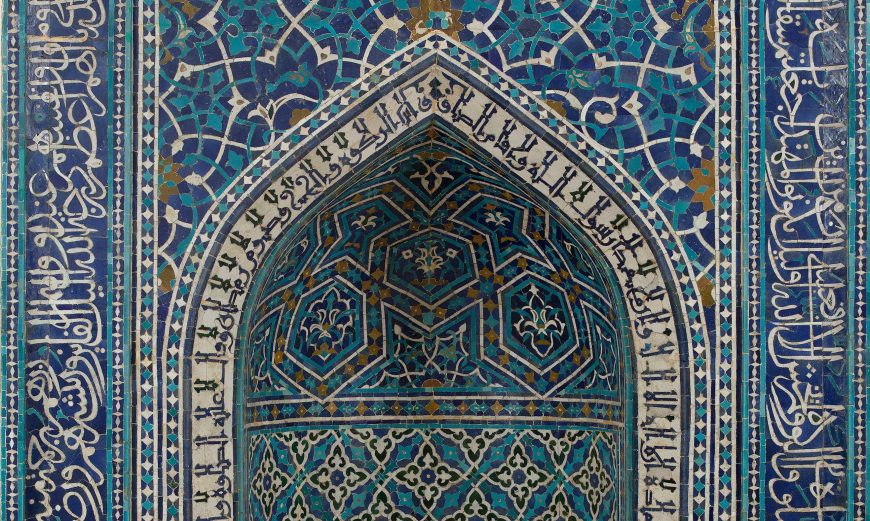
Islamic
c. 640–1924
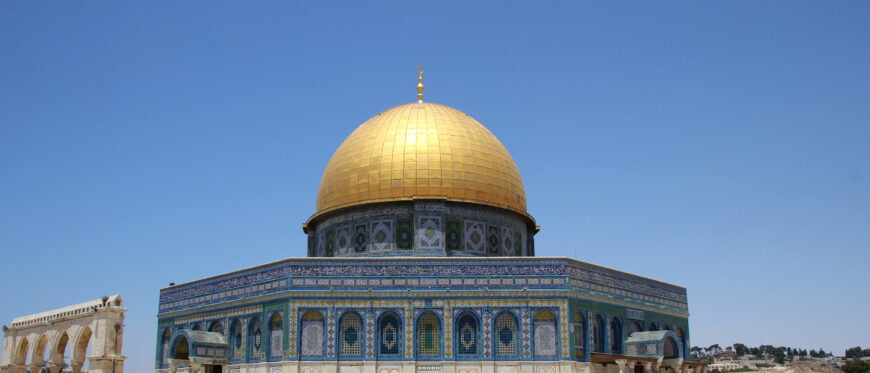
Umayyad
661–750
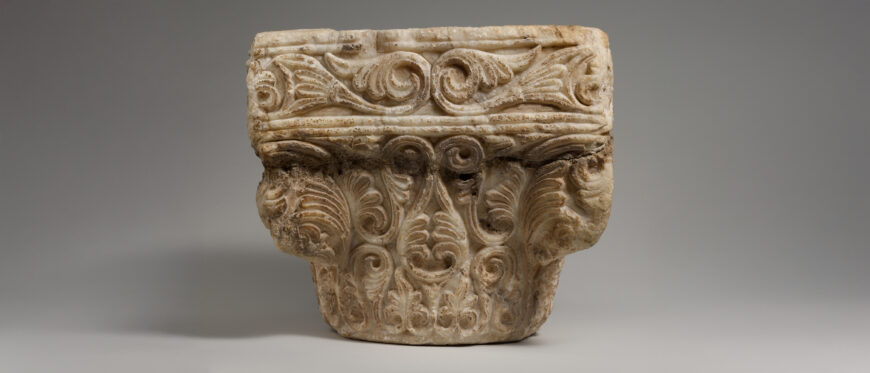
Abbasid
750–1258
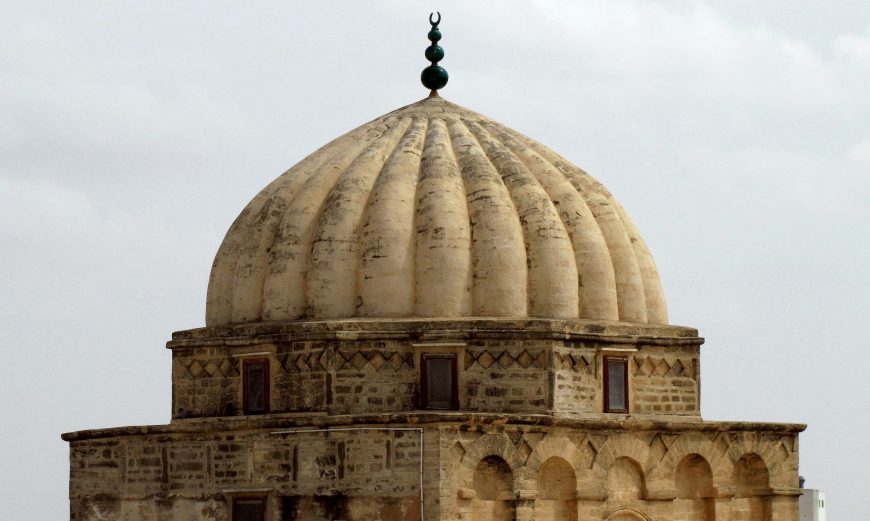
Aghlabid
c. 800–909
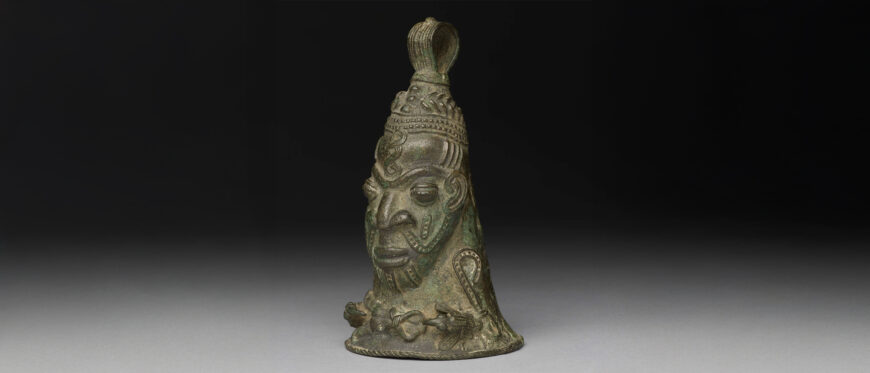
Igbo-Ukwu
c. 800–900
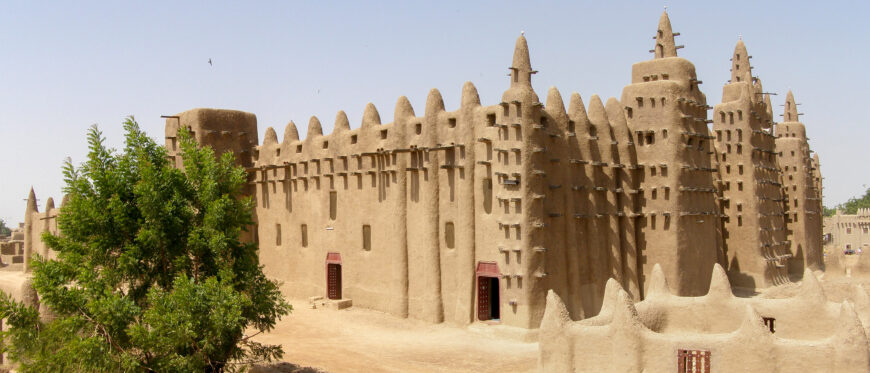
Djenné
c. 800–to today
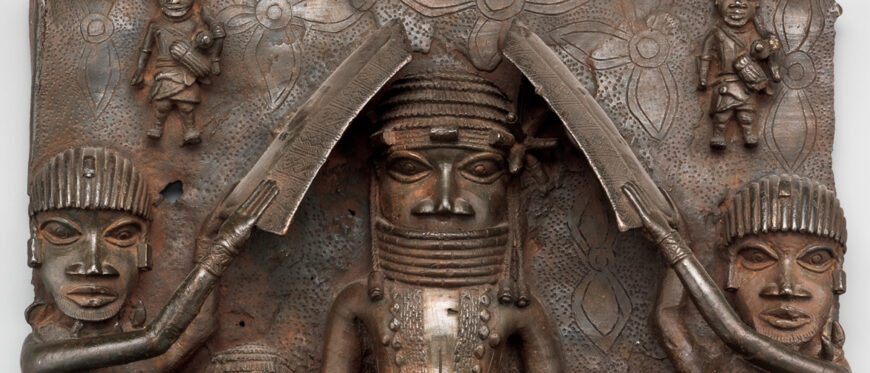
Kingdom of Benin
c. 900–1897

Amazigh (Berber)
c. 900 C.E.–today

Fatimid
909–1171
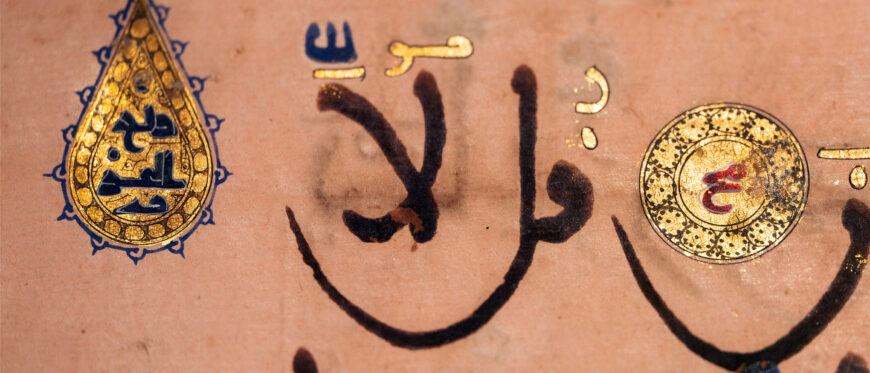
Maghrebi
c. 1000–today
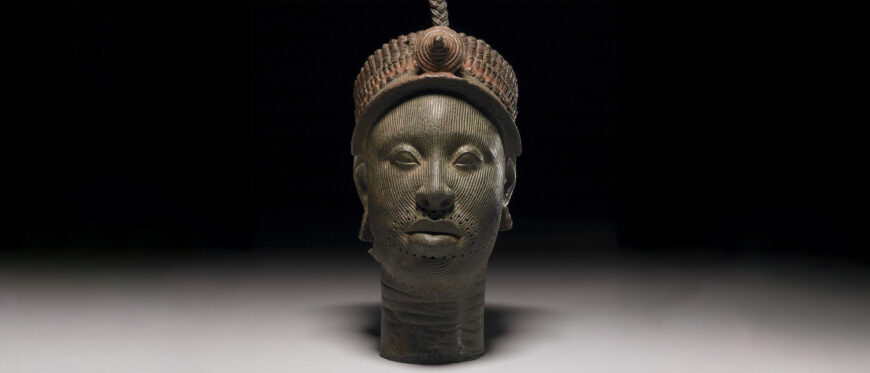
Ife
c. 1100–1500
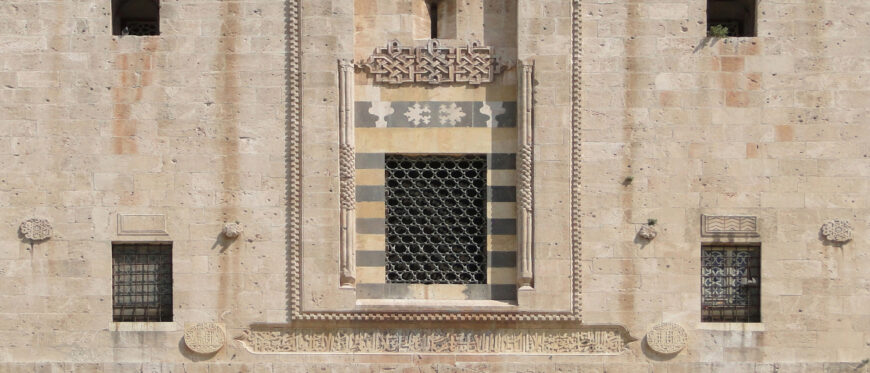
Ayyubid
1171–1260
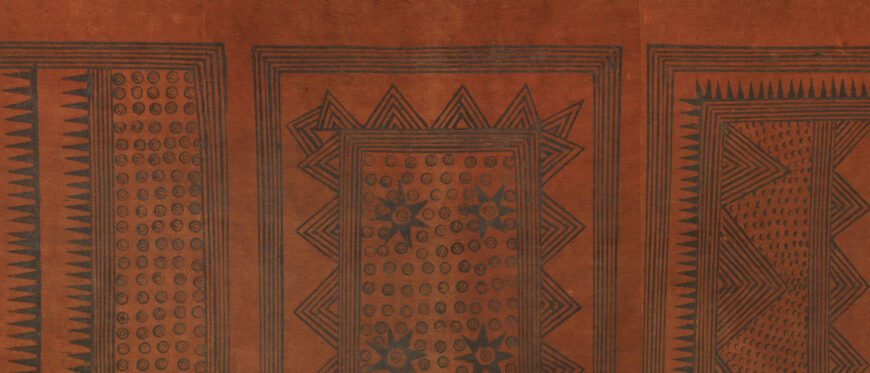
Baganda
13th or 14th century–present
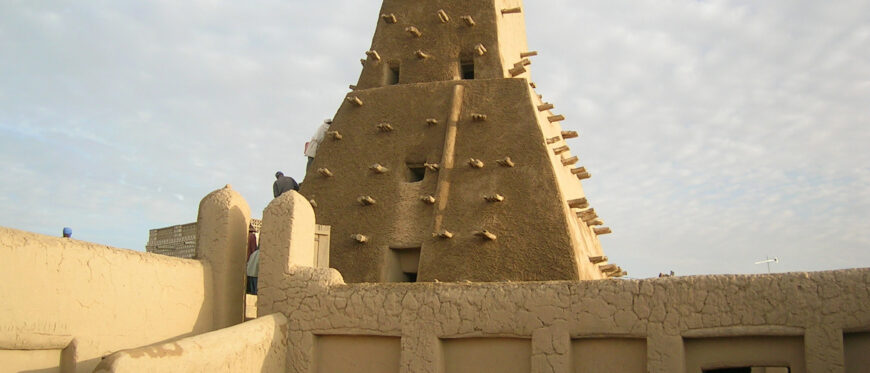
Mali Empire
c. 1226–1670
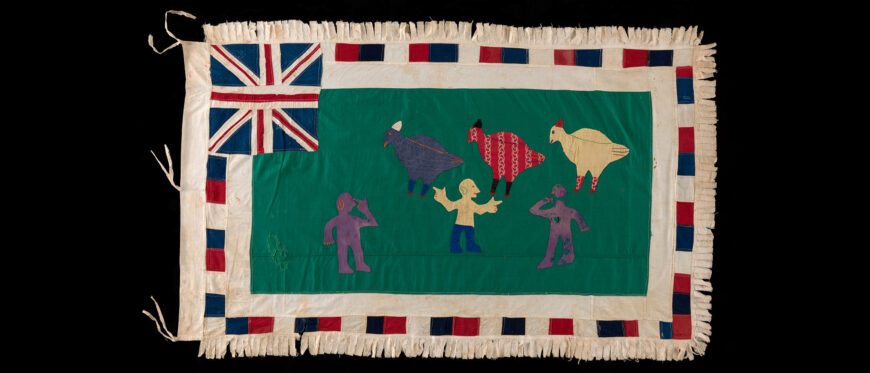
Fante
1250–today
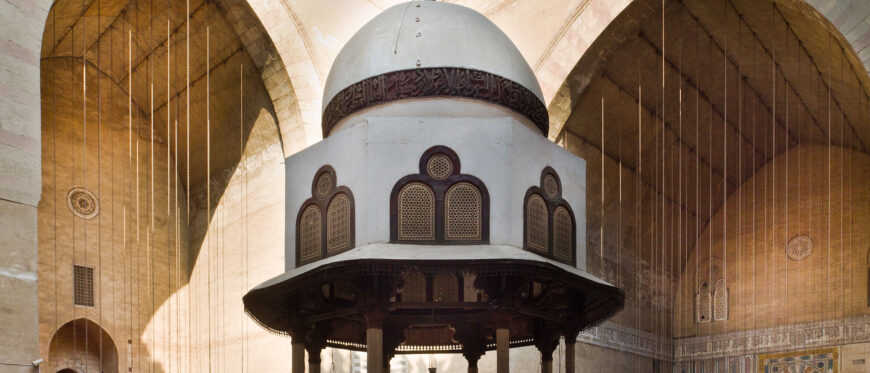
Mamluk Sultanate
1250–1517
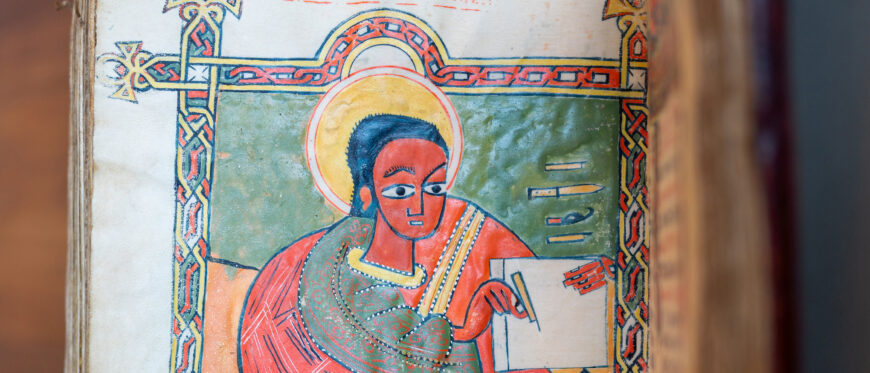
Solomonic dynasty
1270–1974
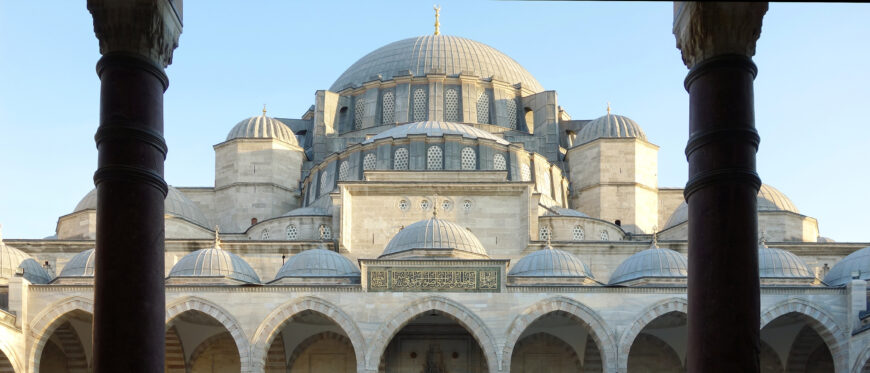
Ottoman
1298–1924
Lohron
c. 1300–1700
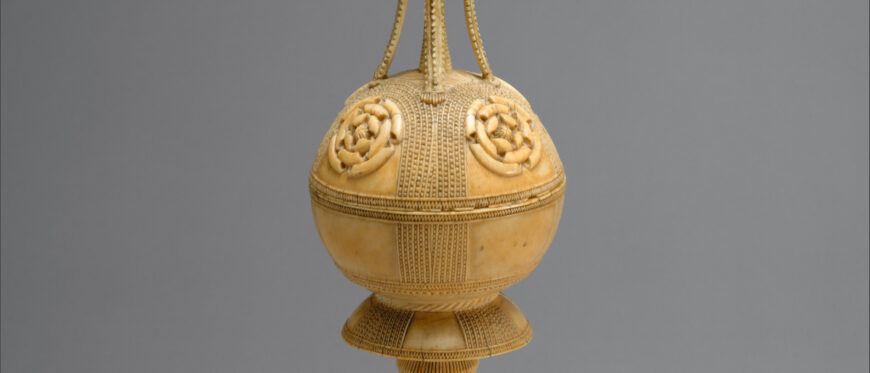
Sapi-Portuguese
c. 1400–1600
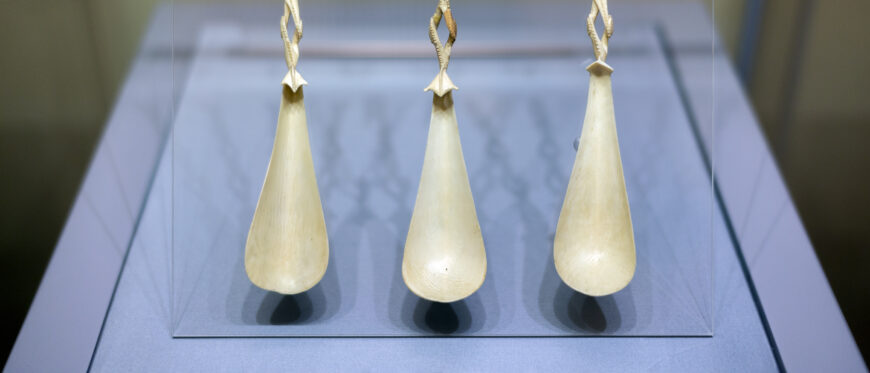
Bini-Portuguese
c. 1400–1600
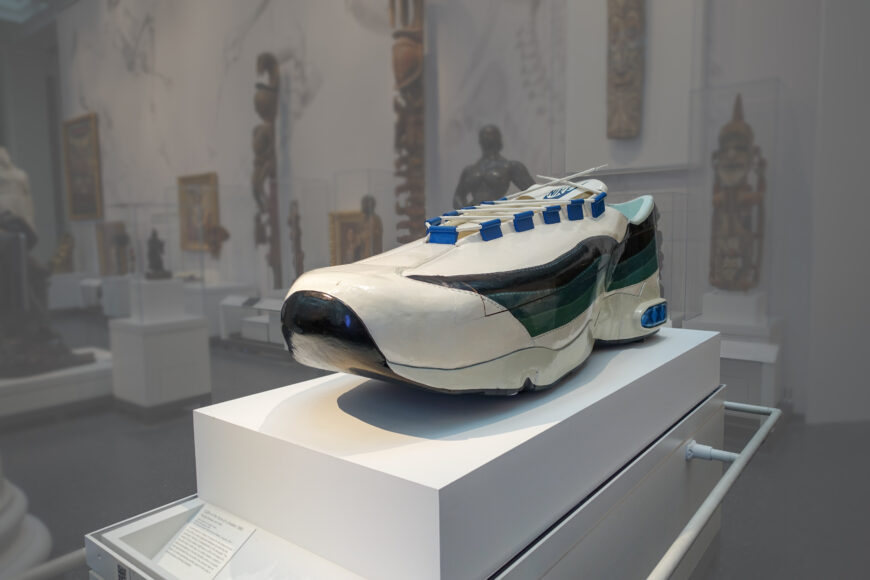
Ga people
before the 15th century–today
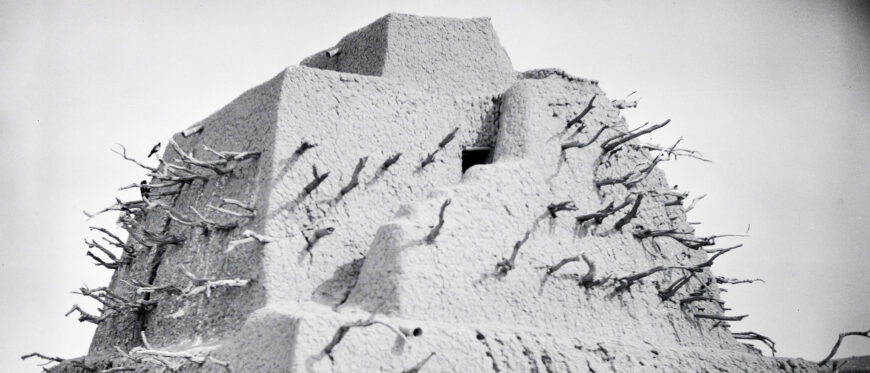
Songhai Empire
c. 1430–1591
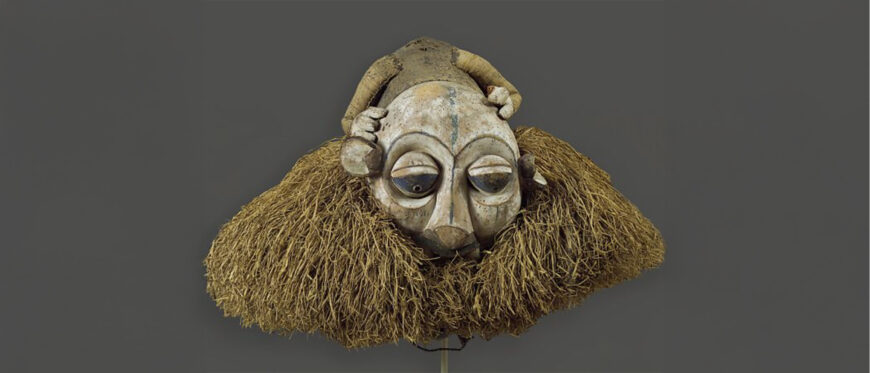
Yaka
c. 1600 to today
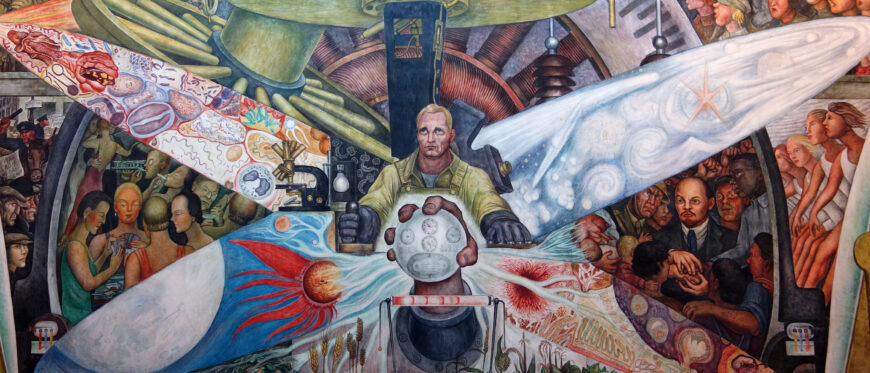
Modernisms
c. 1900–1980
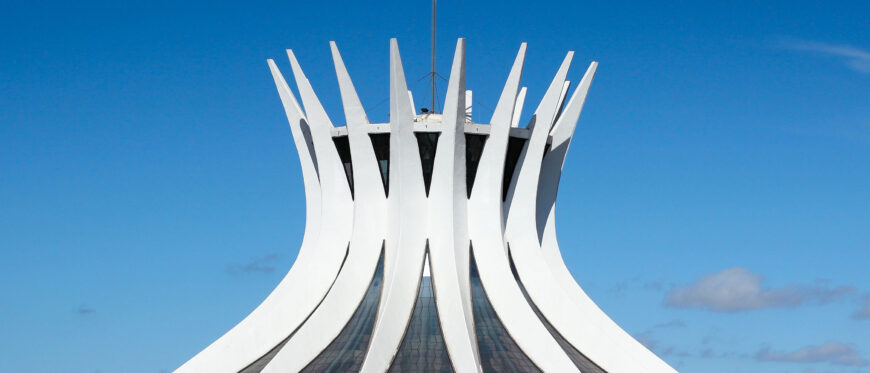
International Style
c. 1920–1980
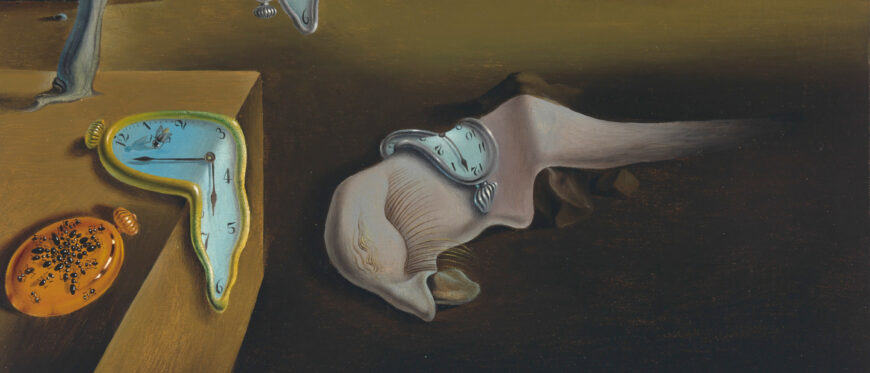
Surrealism
1922–c. 1950
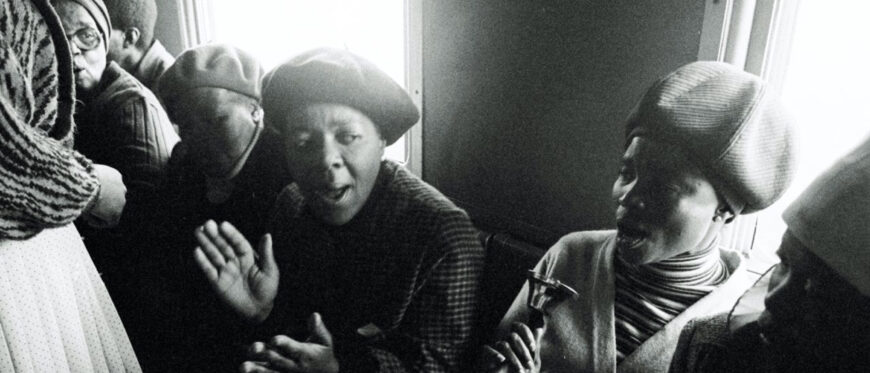
Apartheid South Africa
1948–94
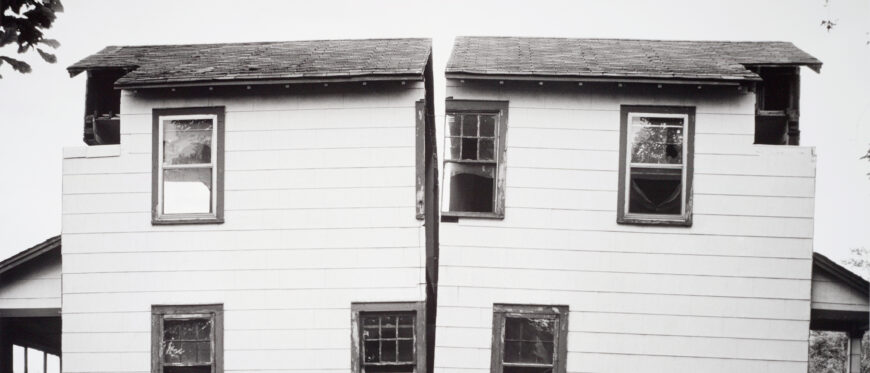
Late Modernism/Postmodernism
1962–today
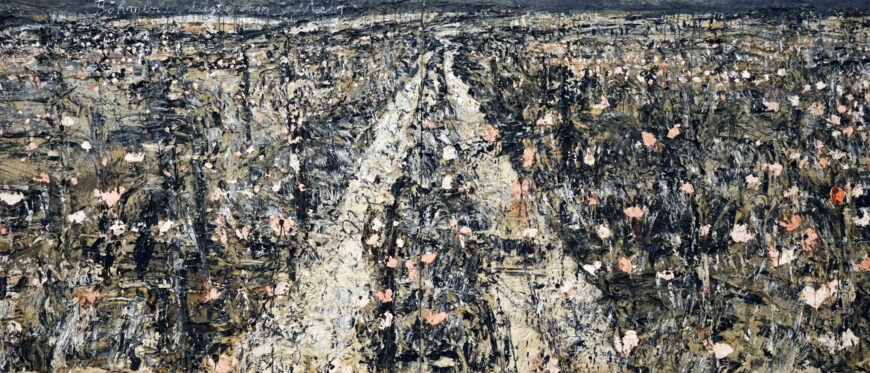
Contemporary
1980–today